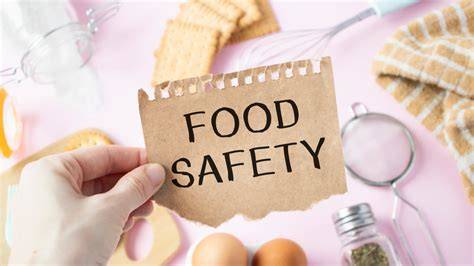
Food safety affects every household. From the food purchased in markets to the medicines and packaged products used at home, consumers depend on reliable standards to reduce exposure to unsafe or contaminated items.
Your supplied notes describe calls for stronger food safety regulation, including proposals for expanded enforcement powers and better cold-chain standards. They also reference figures attributed to the Nigeria Centre for Disease Control and Prevention (NCDC), reporting 1,115 confirmed Lassa fever cases and 263 deaths across 24 states.
Those figures have not been independently verified here and should not be published as current NCDC statistics without checking the relevant dated report. The same applies to the alleged regulatory motion and the specific product concerns mentioned in the supplied material.
Nevertheless, the underlying issue is important: effective public health protection depends on accurate information, responsible handling and appropriate enforcement.
Why Food Handling and Storage Matter
Food safety involves preventing contamination during production, transportation, storage, preparation and sale.
Poor handling can allow harmful microorganisms to spread. Inappropriate storage temperatures can also increase risks for certain foods, particularly perishable products that require refrigeration.
Consumers can reduce some risks by washing their hands before preparing food, keeping raw and cooked foods separate, cleaning kitchen surfaces and following appropriate cooking and storage guidance.
People should also pay attention to product packaging, expiry dates and signs of damage. Where a product appears suspicious, consumers can report it to the appropriate regulatory authority instead of relying solely on social media warnings.
Understanding NAFDAC’s Role
The National Agency for Food and Drug Administration and Control regulates relevant food, drug and other specified products in Nigeria.
Its responsibilities include product registration and regulatory oversight within its legal mandate. However, food safety involves several institutions and levels of government, depending on the issue, product and stage of the supply chain.
Calls for stronger regulation should therefore identify the specific gap being addressed, the agency responsible and the legal changes being proposed.
It is equally important to distinguish between a confirmed product alert, an allegation circulating online and a formal government policy announcement.
Cold-Chain Standards and Product Quality
A cold chain is a temperature-controlled system used to preserve products that require specific storage conditions during transportation and distribution.
Maintaining the appropriate temperature can be particularly important for certain foods, vaccines and medicines. Breaks in temperature control may compromise product quality or safety, depending on the item involved.
Improving storage infrastructure, transport practices and monitoring procedures can help reduce risks. However, the exact requirements differ between products, so one general rule cannot be applied to every item.
What Consumers Can Do
Nigerians can contribute to safer food practices by purchasing products from reliable sources, following storage instructions and checking official alerts when a product is suspected of being unsafe.
Anyone who experiences a possible food-related illness should seek appropriate medical advice, especially if symptoms are severe or persistent.
The wider responsibility remains with producers, distributors, regulators and public authorities. Effective oversight requires clear rules, credible inspections, public communication and enforcement against proven violations.
Food safety is not simply a regulatory issue; it is a matter of everyday public health. Accurate reporting is essential because unverified disease figures or product allegations can create confusion instead of helping people make informed decisions.