
US Election Integrity Debate Returns: Federal Oversight and Voter Roll Questions
Questions about election integrity, voter eligibility and federal oversight continue to shape political discussions in the United States. An exchange involving Attorney General Todd Blanche and Senator Dick Durbin has brought renewed attention to disagreements over government investigations and the administration of elections.
The supplied notes describe a response by Blanche to Durbin’s request for information about DOJ and FBI ballot seizures, alleged threats against election officials and coordination with the Department of Homeland Security.
Federal Investigations and Election Accountability
The disagreement highlights competing concerns about government authority and transparency. Durbin’s letter reportedly sought a fuller account of actions taken by federal agencies, while Blanche’s response challenged the concerns raised.
At the centre of the discussion are questions about how federal investigations should be conducted, what information should be disclosed and how election-related responsibilities are divided between federal and state authorities.
Why Voter Roll Policies Matter
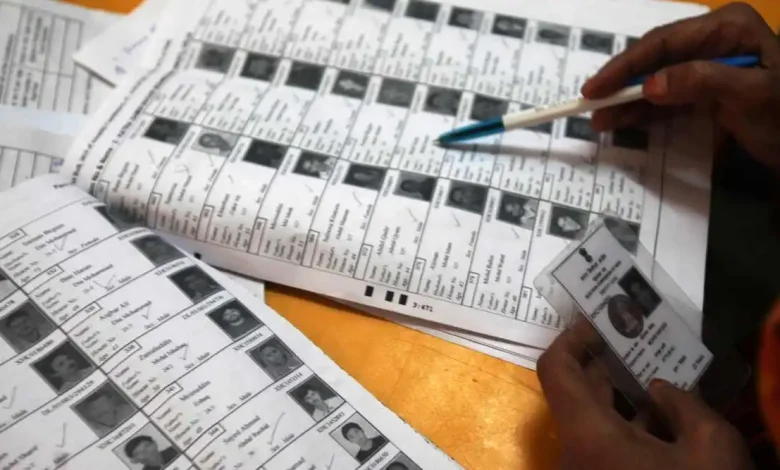
Maintaining accurate voter registration records is an important part of election administration. Officials must apply eligibility rules while ensuring that qualified voters are not wrongly removed from registration lists.
Proposals to compare voter records with federal databases raise questions about data accuracy, privacy, legal authority and procedures for resolving discrepancies.
Claims that widespread non-citizen voting has already occurred must be supported by reliable evidence. Political statements and social media posts alone cannot establish the number of affected voters or ballots.
Social Media and the Election Integrity Debate
The supplied information describes significant engagement with the Blanche-Durbin exchange on X, alongside discussion by Nigerian and other African users.
International interest may reflect the wider significance of election administration, democratic accountability and the rights of citizens living abroad.
However, engagement numbers measure attention rather than accuracy. Readers should distinguish verified findings from allegations, interpretations and political commentary.
What Happens Next?
The continuing debate places transparency, evidence and legal safeguards at the centre of discussions about election integrity.
Reliable public information, fair investigative procedures and accurate voter records are all important to maintaining confidence in elections.
As the debate develops, the most useful questions concern what official records demonstrate, what legal standards apply and how authorities can protect eligible voters while investigating credible allegations of wrongdoing.