NAF Aircraft Crash in Ondo: Reported Recovery of Aircraft Components Raises Questions About the Investigation
Reports of an aircraft crash can leave families, residents and the wider public searching for answers, particularly when the circumstances surrounding the incident remain unclear.
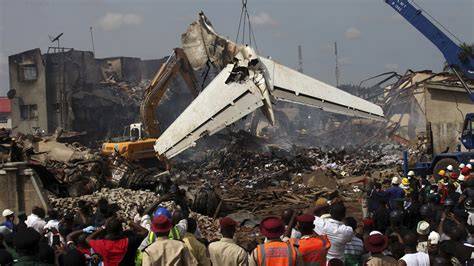
Your supplied material describes fresh developments following a reported Nigerian Air Force (NAF) aircraft crash in Ondo State. According to the notes, aircraft components and flight recorders were reportedly recovered, while officials were said to have confirmed that no bodies had been retrieved at the time of the statement.
The crash details, recovery claims, official statements and timeline have not been independently verified here. These points should be checked against statements from the Nigerian Air Force, the Ministry of Defence and the relevant investigation authorities before publication.
Why Aircraft Components and Flight Recorders Matter
Following an aircraft accident, investigators may examine physical evidence, maintenance records, operational information and other material to establish what happened.
Aircraft components can provide clues about the condition of the aircraft and the circumstances of the incident. Where a flight recorder is fitted and recovered, the information it contains may also help investigators reconstruct aspects of the flight, depending on the type of recorder and the condition of the data.
However, recovering aircraft parts does not, by itself, establish the cause of a crash. Investigators must examine the available evidence before drawing conclusions.
It is equally important not to confuse an early recovery update with the findings of a completed investigation.
Questions About the Investigation
When an aircraft accident occurs, the public may want to know whether the aircraft had undergone the required maintenance, what conditions existed before the incident and whether operational factors contributed to the crash.
These are legitimate questions, but they should be answered through evidence rather than speculation.
A responsible investigation should establish the relevant facts, identify any safety issues and explain what corrective measures may be necessary. If investigators identify shortcomings, the findings can help inform future safety procedures.
Where information remains unavailable, authorities and journalists should make that uncertainty clear rather than presenting theories as established facts.
Government Accountability and Public Communication
Your notes also refer to a reported statement from President Bola Tinubu’s office rejecting suggestions that the administration would abandon governance for political campaigns.
The precise wording and context of that statement should be verified before it is quoted or presented as a direct response to the crash.
Government communication during a major incident matters because families and the public need accurate information. Regular updates can help explain what has been confirmed, which questions remain unanswered and when further findings may become available.
At the same time, political reactions should be reported separately from the technical investigation so that commentary is not mistaken for evidence about the cause of the accident.
What Nigerians Should Watch For
The most important developments would include verified information about the aircraft, the circumstances of the incident, the progress of the investigation and any formal safety recommendations.
Claims about casualties, recovered evidence and possible causes should be updated only when reliable sources support them.
The reported Ondo aircraft crash raises important questions about aviation safety, accountability and the communication of information after a serious incident. Ultimately, a clear, evidence-based investigation is essential for establishing what happened and identifying any lessons that could help prevent similar accidents.