How AI Can Help Nigerians Plan a Solar System
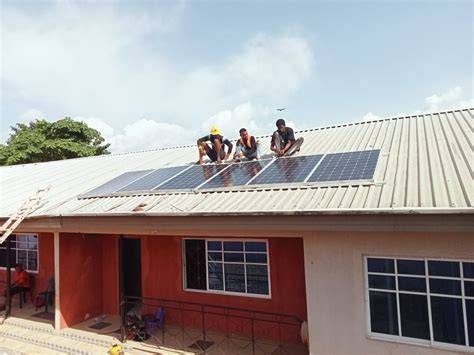
AI-powered solar planning tools may help users organise information about their electricity consumption before purchasing equipment or contacting an installer.
For example, a household can start by listing the appliances it wants to power, including lights, fans, televisions, laptops and phone chargers. The next step is to estimate how many watts each appliance consumes and how many hours it will operate daily.
Depending on the tool, users may receive estimated information about solar panel capacity, battery storage and inverter requirements.
However, these estimates are only a starting point. A suitable solar installation also depends on local sunlight conditions, appliance starting currents, battery chemistry, system losses, installation quality and the amount of backup power required.
This is particularly important for Nigerians who want to power refrigerators, water pumps or other appliances with higher energy demands. A system designed for basic lighting and phone charging may not be sufficient for an entire household.
Why Solar Energy Is Attracting Attention in Nigeria
The interest in solar technology is closely connected to the search for alternative electricity sources. Households and businesses need practical ways to manage their electricity requirements, and solar energy offers one option worth considering.
For some people, a small solar setup may be enough to support lighting, internet access and essential electronics. Others may need a larger installation with battery storage to support more appliances.
AI solar design software could make the early planning process easier, especially for people who do not know where to begin. Nevertheless, using an AI application does not automatically make a solar installation affordable, correctly sized or safe.
What to Check Before Trusting an AI Solar Planner
Before purchasing solar panels, batteries or an inverter based on an application’s recommendations, users should check whether the tool clearly explains its calculations and limitations.
It is also important to compare the estimated system with the specifications supplied by reputable equipment manufacturers and, where necessary, consult a qualified solar installer.
Electrical installation, battery protection, cable sizing and inverter compatibility should not be treated casually. Incorrect calculations can lead to poor performance, damaged equipment or safety risks.
Ultimately, AI solar design tools may help Nigerians understand their energy requirements and compare possible system configurations. Their greatest value is as planning aids, not substitutes for professional electrical assessment.
As interest in renewable energy and off-grid living grows, the combination of artificial intelligence and solar technology could make the first steps towards a solar installation easier to understand. The important question is whether these tools can provide realistic estimates that match the actual needs and budgets of Nigerian households.