
Xenophobia: More Nigerians Killed in South Africa as Toll Rises
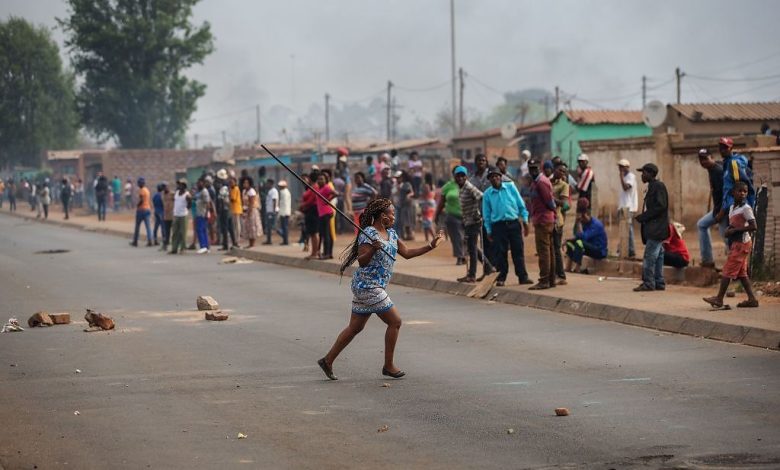
The death toll of Nigerians killed in South Africa under circumstances linked to xenophobic violence has risen further, with recent cases bringing the cumulative figure higher, according to community and diplomatic tallies.
Nigerian lawmakers have responded by suspending participation in legislative conferences hosted by South Africa and urging state assemblies to adopt similar measures.
The decision was framed as a protest against the continued targeting of Nigerian nationals rather than a rupture in broader diplomatic relations.
Families of victims and diaspora organisations have circulated details of the latest incidents through social channels and community networks, often faster than official confirmation.
The Nigerian High Commission in South Africa has repeated calls for thorough investigations and protection of legal residents and visitors.
Inside Nigeria, the repeated reports have produced a steady undercurrent of anger that occasionally surfaces in public commentary and pressure on the foreign affairs machinery.
Diplomats note that managing the bilateral relationship requires balancing the need to protect citizens with the practical realities of economic and political ties between the two countries.
Community leaders in major South African cities continue to advise Nigerian residents on personal security measures while documenting cases for formal presentation to authorities.
The legislative boycott adds a formal layer of displeasure from the National Assembly. Whether the gesture produces concrete changes in the safety environment on the ground remains an open question that diaspora groups monitor closely.
Each new reported killing renews the cycle of outrage, diplomatic notes and community vigilance that has characterised the issue for several years.
For affected families and Nigerians living in South Africa, however, the issue goes beyond political statements. The immediate concern remains protection, accountability and whether repeated calls for action can translate into greater safety for Nigerians on the ground.




One Comment