
Nigerians Use AI Grocery Hacks and ChatGPT Recipes to Manage Rising Food Costs
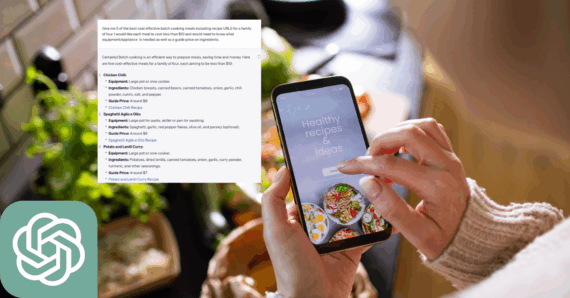
As food prices continue to put pressure on household budgets, Nigerians are exploring different ways to organise their shopping, prepare affordable meals and make the most of the food they already have.
One approach attracting attention is the use of artificial intelligence tools such as ChatGPT to prepare grocery lists, suggest recipes and organise family meal plans around a set budget.
Your supplied notes describe social media creators sharing AI grocery hacks and claiming savings of between 25 and 35 per cent on weekly shopping bills. Those figures have not been independently verified here, so they should be treated as reported claims rather than guaranteed savings.
Still, the underlying idea is practical. A well-organised shopping list can help households avoid buying unnecessary items, while a realistic meal plan can make it easier to use ingredients before they spoil.
How ChatGPT Can Help With Grocery Shopping
One of the easiest ways to use ChatGPT is to provide a shopping budget, the number of people in the household and the meals they usually eat.
For example, a family can ask the tool to create a seven-day meal plan using familiar Nigerian foods such as rice, beans, yam, garri, eggs and seasonal vegetables. The request can also specify which ingredients are already available at home.
The AI tool can then suggest a shopping list based on those details. Users can ask it to separate essential items from optional purchases and recommend alternative ingredients when something is too expensive.
A useful prompt might be:
“Help me plan affordable Nigerian meals for a family of four for seven days. My budget is limited, and I already have rice, beans and palm oil. Suggest balanced meals, estimate the ingredients needed and organise the shopping list by priority.”
The results should still be checked against actual market prices. AI-generated budgets are estimates, not live price quotations, unless the tool has access to reliable current pricing information.
Affordable Meal Planning Without Sacrificing Nutrition
Meal planning can help households make better use of ingredients and reduce the temptation to purchase food without a clear plan.
For instance, beans purchased for one meal can be used in another recipe later in the week. Vegetables can be planned across different dishes, while leftovers that have been stored safely can form part of another meal.
Households should also consider nutritional balance. The cheapest meal is not necessarily the most suitable choice if it lacks important nutrients. Where possible, a meal plan should include sources of protein, carbohydrates, vegetables and other foods that meet the family’s needs.
AI can suggest combinations, but it may misunderstand local prices, portion sizes, dietary requirements or ingredient availability. Users should review the recommendations rather than following them blindly.
Can AI Grocery Hacks Really Save Money?
The potential savings depend on how a household shops, the prices in its area, the number of people it feeds and the amount of food it normally wastes.
A shopping list may reduce impulse purchases, but it cannot prevent price increases or guarantee that every ingredient will be available at the expected cost.
The most reliable approach is to compare the AI-generated list with local market prices, adjust quantities and prioritise essential food items. Keeping a simple record of weekly spending can also help families determine whether their new shopping routine is actually saving money.
The growing interest in AI grocery planning shows how digital tools can be used for everyday challenges beyond writing and office work. For Nigerian households looking to manage food expenses, ChatGPT can serve as a planning assistant, provided that its suggestions are checked against real prices and nutritional needs.




One Comment