Lassa Fever Death Toll Hits 263 as NCDC Reports 1,115 Confirmed Cases
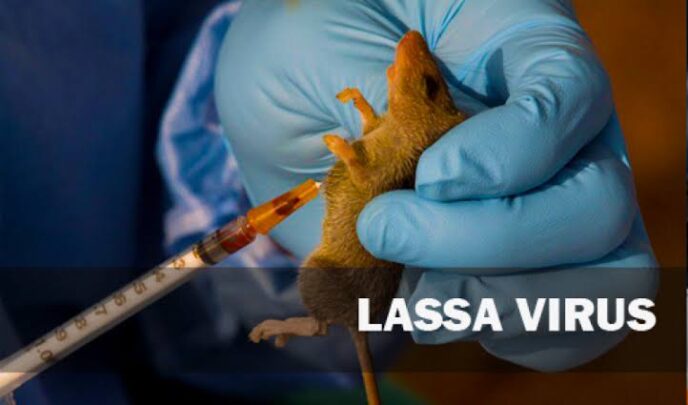
Nigeria recorded 263 deaths and 1,115 confirmed cases of Lassa fever between January and September 20, 2026, according to the latest situation report from the Nigeria Centre for Disease Control and Prevention (NCDC).
The case fatality rate increased to 23.6 per cent, compared with 18.5 per cent during the same period in 2025. This increase occurred despite a decline in the number of new weekly cases, with 11 new confirmed infections recorded in the week ending September 20, 2026, compared with 17 in the previous week.
The figures highlight continuing concerns about Lassa fever in Nigeria and the importance of early detection, appropriate treatment, and infection prevention.
NCDC Reports 1,115 Confirmed Lassa Fever Cases in 2026
According to the NCDC situation report, Nigeria recorded 1,115 confirmed Lassa fever cases and 263 deaths between January and September 20, 2026.
The reported case fatality rate of 23.6 per cent is higher than the 18.5 per cent recorded during the corresponding period in 2025.
The NCDC attributed the increase in fatalities to infected patients arriving late at treatment centres rather than to an increase in the virulence of the virus.
This explanation highlights the importance of recognising possible symptoms and seeking medical attention promptly when Lassa fever is suspected.
States Reporting New Lassa Fever Cases
The latest weekly report recorded new confirmed Lassa fever cases in Ondo, Edo, and Taraba states.
The five most affected states identified in the report were Bauchi, Ondo, Taraba, Benue, and Edo. According to the information provided, the five states accounted for approximately 87 per cent of recorded cases in 2026.
The concentration of cases in these states highlights the importance of continued disease surveillance, public awareness, and timely access to appropriate medical care.
The NCDC continues to emphasise the need for healthcare workers and the public to remain alert to the risks associated with Lassa fever.
Young Adults Among the Most Affected Age Groups
The reported figures indicate that people between 21 and 30 years old were the age group most affected by Lassa fever.
The latest weekly report also recorded no cases among healthcare workers, an improvement compared with previous weeks when medical workers were at increased risk because of their proximity to infected patients.
Healthcare workers remain important to the identification and management of suspected cases, making appropriate infection prevention and control practices essential in treatment settings.
How Lassa Fever Spreads
Lassa fever is primarily transmitted from rodents to humans through contact with food, household items, or other materials contaminated by the bodily fluids of infected rodents.
Person-to-person transmission is also possible, particularly in healthcare settings where appropriate infection prevention and control measures are not followed.
These transmission routes make household hygiene, food protection, and safe practices in healthcare facilities important parts of Lassa fever prevention.
How Nigerians Can Reduce the Risk of Lassa Fever
The NCDC has urged healthcare workers and members of the public to adopt rigorous infection prevention measures and report suspected cases to the appropriate authorities.
Important precautions include protecting food from rodents, maintaining clean surroundings, avoiding contact with rodents and their waste, and following appropriate infection prevention procedures in healthcare settings.
Anyone who suspects they may have Lassa fever should seek prompt medical assessment rather than delay treatment.
Early detection and appropriate management remain important interventions in reducing the risk of severe outcomes.
Why Early Detection Matters
The NCDC’s reported figures show that the number of weekly confirmed cases can decline while the case fatality rate remains a concern.
The reported increase in the fatality rate, which the NCDC linked to late presentation at treatment centres, reinforces the importance of timely medical attention.
As Nigeria continues to monitor Lassa fever in 2026, public awareness, effective surveillance, and infection prevention remain important in efforts to reduce transmission and deaths.