
Agriculture Internship Opportunities Attract Attention
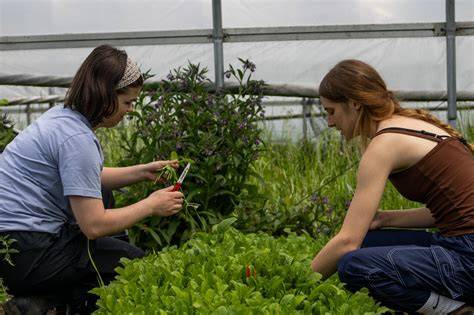
Agriculture remains an important area of interest for young people seeking careers that connect practical work, business, rural development and food production.
The reported One Acre Fund Internship and Experience Programme for 2026 is described in your notes as offering 12 roles across agriculture and rural development. The positions are presented as opportunities for people who want to gain professional experience while contributing to work connected with farming communities.
The exact vacancies, locations, application deadlines and compensation arrangements have not been independently confirmed here. Applicants should check the organisation’s official careers information before treating the reported roles as open.
What Can an Agriculture Internship Offer?
Agriculture-related internships can introduce participants to work that extends beyond planting and harvesting. Depending on the employer and position, responsibilities may involve project coordination, field research, farmer support, logistics, data collection, communications or programme administration.
For students and recent graduates, this kind of experience can help connect academic knowledge with the practical challenges faced by agricultural organisations.
A role involving rural development may also expose interns to questions around access to agricultural inputs, farming productivity, distribution networks and the delivery of support services to rural communities.
However, applicants should read each job description carefully. Not every role will involve direct fieldwork, and the qualifications required for a technical position may differ significantly from those needed for an administrative or communications role.
Who Should Apply?
Candidates interested in agriculture, development studies, logistics, data, project management or related fields may wish to investigate suitable vacancies.
Before applying, candidates should confirm the required educational background, location, work arrangements, duration of the internship and whether previous experience is necessary.
They should also establish whether the role is paid, whether transport or accommodation is provided and what responsibilities successful candidates will be expected to handle.
The supplied notes mention competitive stipends and the possibility of permanent employment after six months. Those conditions should not be assumed to apply to every role without confirmation from the organisation.
Can an Internship Lead to Permanent Employment?
An internship can help a candidate build experience, professional relationships and a stronger CV. It can also allow an employer to assess a candidate’s work and suitability for future opportunities.
However, permanent employment usually depends on business needs, performance and the employer’s recruitment arrangements. Applicants should therefore avoid treating a possible conversion into a permanent position as a guarantee.
Candidates can improve their prospects by demonstrating reliability, asking thoughtful questions, learning relevant tools and keeping records of the skills and projects they complete.