Yobe Teaching Hospital Performs First Total Hip Replacement Surgery
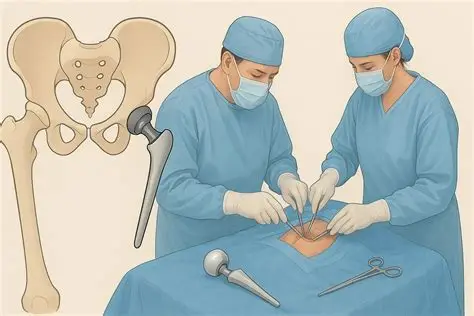
Yobe State University Teaching Hospital (YSUTH) has recorded a major milestone in specialised healthcare after its surgical team successfully performed the hospital’s first total hip replacement surgery on a young man living with sickle cell disease.
The procedure was carried out on Saturday on a patient who developed avascular necrosis of the head of the femur, a painful complication that occurs when part of the bone loses adequate blood supply and begins to die.
The successful operation means patients requiring this type of specialised orthopaedic procedure can now have access to the service within Yobe instead of automatically travelling outside the state for treatment.
Surgical Team Completes Landmark Procedure
The operation was led by Dr Lawan Yari, with Dr Musa Abdulmalik, Dr Bashok Palagvi, Mr Manasseh Jonah and Mr Karumi Ibrahim also part of the surgical team.
Yobe State Commissioner for Health, Dr Muhammad Gana, announced the development and described the procedure as an important step forward for specialised medical services in the state.
Total hip replacement involves removing a damaged hip joint and replacing it with an artificial joint.
For patients suffering severe hip damage, the procedure can help restore movement and improve quality of life when other forms of treatment are no longer sufficient.
In this case, the patient had been living with sickle cell disease and developed avascular necrosis involving the head of the femur.
Why the Surgery Matters for Yobe
Before the latest development, patients in Yobe requiring total hip replacement had to seek the procedure outside the state.
That meant additional costs, longer journeys and the burden of travelling for patients who may already be dealing with significant pain or other health challenges.
The availability of the procedure at Yobe State University Teaching Hospital therefore adds another specialised service to the state’s healthcare system.
The successful surgery also demonstrates the ability of the hospital’s medical team to undertake more complex orthopaedic procedures locally.
For residents, the development could reduce the need for referrals outside the state for similar cases in the future, depending on the hospital’s continuing capacity, equipment and specialist manpower.
Sickle Cell Disease and Avascular Necrosis
Sickle cell disease can lead to several serious complications, including problems affecting bones and joints.
Avascular necrosis occurs when blood supply to a section of bone is reduced or interrupted. When this happens around the head of the femur, the bone tissue can gradually weaken and collapse, causing severe pain and difficulty with movement.
For patients whose hip joint has suffered significant damage, total hip replacement can become necessary.
The successful procedure in Yobe therefore represents more than the introduction of a new surgical service. It also provides a locally available option for patients dealing with one of the complications associated with sickle cell disease.
Another Major Surgery Recorded in Yobe
The hip replacement is not the only recent surgical development highlighted by health authorities in the state.
Dr Gana also pointed to a major face-and-jaw operation carried out earlier this year at the Yobe State Specialist Hospital.
That procedure was another example of specialised surgery being performed locally rather than requiring patients to leave the state for treatment.
The two developments indicate a gradual expansion of specialised surgical capacity across Yobe’s public health institutions.
Reducing the Burden of Medical Referrals
For many patients, travelling outside their home state for complex treatment involves more than the medical procedure itself.
Transport, accommodation, additional hospital expenses and the stress of travelling while ill can all increase the financial and physical burden on families.
Having specialised procedures available locally can reduce some of those challenges while also giving medical personnel an opportunity to build experience in advanced procedures.
The Yobe teaching hospital’s first total hip replacement is therefore an important addition to the range of services available to residents.
The successful operation has also provided a confidence boost for the hospital’s surgical team and reflects the continuing development of tertiary healthcare services in the North-East.
For the young patient at the centre of the procedure, the immediate focus will now be recovery and rehabilitation after surgery. For Yobe’s healthcare system, the operation represents another step towards providing more complex medical treatment within the state and reducing the need for residents to travel elsewhere when specialised care is required.