Nigerian Traditions Quietly Fading Away and Why Reviving Them Matters in 2026
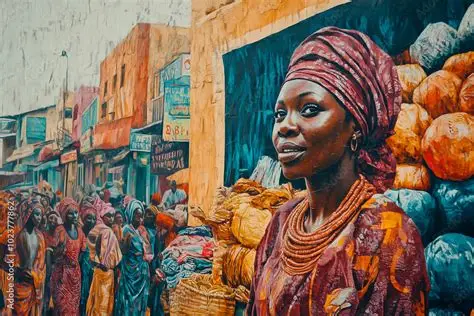
Many Nigerian traditions and customs that were once an important part of everyday life are gradually becoming less common.
Practices that previous generations considered normal are no longer observed as frequently in some families and communities. From greeting elders respectfully to sharing traditional stories and preparing meals together, changing lifestyles have influenced how people maintain their cultural heritage.
In the past, many Nigerians greeted elders by kneeling, prostrating or bowing, depending on their cultural background and family traditions.
Today, however, some people settle for a quick wave or brief greeting, sometimes while concentrating on the phone in their hands.
Although customs vary across Nigeria’s many ethnic groups and communities, the decline of everyday cultural practices raises questions about how younger generations learn respect, family values and a sense of belonging.
1. The Tradition of Greeting Elders Respectfully
Respectful greetings have long played an important role in many Nigerian communities.
Depending on the culture, children and younger people may kneel, prostrate or bow when greeting elders as a sign of respect.
These gestures are more than physical movements. They can communicate courtesy, recognition of age and appreciation for family and community relationships.
However, modern lifestyles have changed the way some people interact with one another. Quick greetings, hurried conversations and distractions from mobile phones can sometimes replace the more deliberate practices observed by previous generations.
Reviving respectful greetings does not necessarily mean forcing every child to follow the same custom. Rather, families can teach younger people the meaning behind their own cultural practices and encourage them to treat elders and others with consideration.
2. Family Storytelling and Passing Down Ancestral Tales
Storytelling was once an important way for many families to pass knowledge, experiences and cultural values from one generation to another.
Elderly relatives could share stories about their childhood, family history, ancestral experiences and lessons learned throughout their lives.
These conversations helped younger family members understand where they came from and gave them opportunities to learn from the experiences of older relatives.
Today, such storytelling may be less common in some households as family members spend more time on phones and other forms of entertainment.
When these conversations disappear, younger generations may lose opportunities to learn family histories and appreciate the experiences that shaped previous generations.
Families can help revive the practice by creating time for grandparents and other older relatives to share stories. Even a short conversation during a family visit can help preserve memories that might otherwise be forgotten.
3. Cooking Traditional Meals Together
Preparing food together was another familiar family activity in many Nigerian households.
Family members often participated in preparing traditional dishes, especially when relatives or friends were visiting. Cooking large quantities of food could become a shared activity that brought people together.
Today, however, some families increasingly depend on restaurants, mini-marts and roadside eateries for their meals.
Convenience can be useful, particularly for people managing demanding schedules, but regularly preparing meals together can offer benefits beyond the food itself.
It creates opportunities for parents to teach children traditional recipes, explain the cultural significance of certain dishes and encourage cooperation among family members.
Families do not need to abandon modern conveniences to preserve these practices. Preparing a traditional meal together occasionally can help keep culinary knowledge alive while strengthening relationships.
4. Family Bonding and the Importance of Shared Time
Family relationships are strengthened through communication, shared experiences and regular interaction.
In earlier generations, some families maintained close connections through storytelling, communal meals, visits and other everyday traditions.
Changes in lifestyle can make these activities more difficult to maintain, particularly when family members are busy with work, school and other responsibilities.
However, preserving family traditions does not always require elaborate ceremonies or expensive activities.
Simple practices such as eating together, visiting relatives, listening to grandparents and involving children in household activities can help maintain a sense of connection.
These moments also give younger family members opportunities to learn about their heritage and develop a stronger understanding of their place within the family.
Why Preserving Nigerian Cultural Heritage Matters
Cultural traditions help communities maintain a connection with their history and shared values.
They can teach respect, cooperation, responsibility and appreciation for previous generations. They also provide opportunities for children to learn about their families and the communities in which they live.
When everyday customs gradually disappear without being passed down, some of the knowledge associated with them may be lost.
Preserving cultural heritage does not mean rejecting every modern influence. Nigerian culture has always existed within changing social circumstances, and families can adapt their traditions while maintaining the values that matter to them.
The important thing is to make a conscious effort to teach younger generations about the practices and stories that have shaped their communities.
How Nigerians Can Revive Fading Traditions
Reviving traditions can begin with small steps at home.
Parents and guardians can teach children how to greet elders respectfully according to their cultural background. Families can also set aside time for grandparents to share stories and explain the origins of family customs.
Preparing local dishes together can help children learn traditional cooking methods, while family visits can strengthen relationships with relatives.
Schools and community groups can also support cultural awareness by creating opportunities for younger people to learn about local languages, customs, storytelling and traditional practices.
The goal should not be to preserve every custom without question, but to understand cultural heritage and identify the practices that continue to promote positive values and community relationships.
Nigerian Culture Can Survive Through Everyday Actions
Culture rarely disappears in a single moment. Traditions can gradually fade when families stop practising them and younger generations no longer learn their meaning.
However, the process can also be reversed when people make conscious efforts to preserve important customs.
Nigerians can begin by teaching children family values, encouraging conversations with grandparents, preparing local dishes together and observing meaningful traditions within their communities.
These small actions can help younger Nigerians develop a stronger sense of identity and belonging.
As the country continues to change, preserving cultural heritage remains an important responsibility for families and communities. The traditions passed down today can help future generations understand their roots while building relationships that remain meaningful in a modern world.