Dollar to Naira Rate Today: Official vs Parallel Market
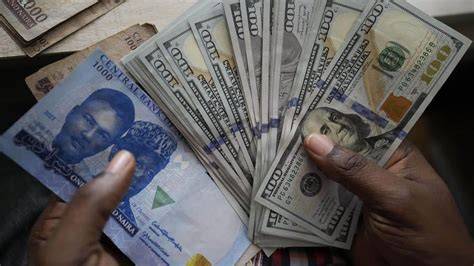
The naira traded around ₦1,328 per dollar in Nigeria’s official foreign exchange market on October 2, 2026, while the Central Bank of Nigeria (CBN) reference rate stood at ₦1,329.16. In the parallel market, the dollar was selling for around ₦1,390, according to the figures supplied.
The difference between the official exchange rate and the parallel market rate remains important for Nigerians paying school fees abroad, receiving international payments, purchasing imported goods, or making other transactions involving foreign currencies.
Although the naira has strengthened compared with its level at the beginning of the year, exchange rates continue to influence the cost of international transactions and the amount Nigerians receive when converting foreign currency.
What Is the Dollar to Naira Rate Today?
The supplied figures for October 2, 2026, show the following exchange rates:
- Official NFEM rate: Approximately ₦1,328.17 per dollar.
- CBN reference rate: ₦1,329.16 per dollar.
- Parallel market buying rate: Approximately ₦1,375 per dollar.
- Parallel market selling rate: Approximately ₦1,390 per dollar.
The Nigerian Foreign Exchange Market (NFEM) rate is an important benchmark in the official market. According to the CBN, the NFEM rate is a volume-weighted average of completed trades.
Banks and businesses use the official exchange rate as a benchmark when conducting foreign exchange transactions. However, the actual rate available to an individual customer may depend on the bank, transaction type, and applicable charges.
How Much Is $100 in Naira Today?
Using the supplied October 2 rates, $100 would be worth approximately ₦132,900 at the CBN reference rate of ₦1,329.16 per dollar.
At the parallel market selling rate of ₦1,390, purchasing $100 would cost approximately ₦139,000.
That represents a difference of about ₦6,084, or roughly ₦61 per dollar.
The difference can become significant when paying international school fees, purchasing imported products, or making larger foreign currency transactions.
These calculations use the stated exchange rates and do not include additional transaction fees or charges.
How Has the Naira Performed in 2026?
The naira has strengthened against the dollar during 2026, moving from approximately ₦1,446 per dollar at the beginning of January to around ₦1,328 in early October, according to the supplied figures.
The reported exchange rate movements include:
- January 1, 2026: NFEM average of approximately ₦1,446 per dollar.
- March 10, 2026: The naira opened around ₦1,398 per dollar.
- June 3, 2026: Official rate of approximately ₦1,373 per dollar.
- August 3, 2026: Official rate of approximately ₦1,368 per dollar.
- August 17, 2026: The naira closed near ₦1,350, its strongest level since April 22, according to the supplied report.
- October 2, 2026: Official rate of approximately ₦1,328 per dollar.
The trend suggests that the naira gained ground against the dollar over the period covered by these figures.
However, exchange rates can move in either direction, and past appreciation does not guarantee that the currency will continue strengthening.
What Is Supporting the Naira’s Strength?
Market reports cited in the supplied information point to stronger dollar supply and higher external reserves as factors supporting the naira.
Nigeria’s external reserves reportedly crossed $55 billion in September 2026.
The supplied information also reports that the CBN reduced its policy rate by 350 basis points to 23 per cent. The policy rate and the exchange rate are different indicators, and the effect of monetary policy on the naira depends on wider market conditions.
The CBN has also expressed a preference for demand for expenses such as school fees and medical bills to be met through formal banking channels.
For Nigerians who need foreign currency, this makes it important to contact their banks and understand the documentation and procedures required for eligible transactions.
Official Exchange Rate vs Parallel Market Rate: Which Should You Use?
The appropriate rate depends on the transaction you intend to complete.
The official exchange rate is a benchmark for the formal foreign exchange market. The parallel market rate reflects separate market quotations and may differ from the rate available through an authorised financial institution.
If you need dollars for an international payment, ask your bank for the actual rate it can offer for your transaction. Compare that quote with the CBN reference rate and account for any applicable charges.
Do not assume that the published reference rate is automatically the rate at which every customer can buy dollars.
The supplied October 2 figures put the CBN reference rate at ₦1,329.16 per dollar and the parallel market selling rate at approximately ₦1,390.
For Nigerians paying school fees, purchasing imported goods, or receiving international payments, even a modest exchange rate difference can add up.
Need dollars? Get your bank’s quote and compare it with the CBN reference rate before looking elsewhere. Exchange rates move daily.