Senate Extends 2025 Budget Capital Spending Window to September 30
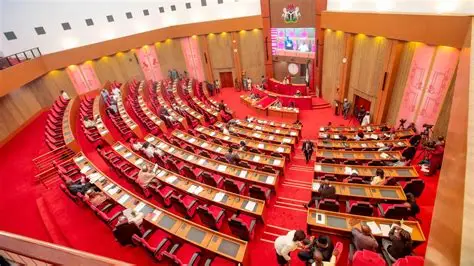
The Senate approved an extension of the implementation period for the capital component of Nigeria’s 2025 Appropriation Act, giving ministries, departments and agencies additional time to complete projects and utilise funds that had already been released.
The extension moved the deadline for implementing the capital component from June 30 to September 30, 2026.
The decision was taken after lawmakers considered concerns about delays in project implementation and the need to ensure that released funds were used for approved capital projects.
Why the Extension Was Necessary
Nigeria’s budget implementation process has frequently faced delays caused by procurement procedures, project approvals, funding releases and other administrative challenges.
When capital budgets are not fully implemented before the end of the approved window, unspent funds can eventually return to the Consolidated Revenue Fund.
Lawmakers argued that extending the implementation period would give government agencies more opportunity to complete projects and utilise funds that had already been made available.
The move was therefore presented as a way of preventing funds from being left unused simply because projects could not be completed within the original deadline.
What the Capital Expenditure Window Covers
Capital expenditure generally relates to government spending on projects and infrastructure rather than routine administrative costs.
Examples include roads, hospitals, schools, public infrastructure, equipment and other development projects.
The capital component of the appropriation law therefore covers a wide range of projects across federal ministries, departments and agencies.
An extension of the implementation window can give agencies more time to finish projects that are already underway.
However, the extension itself does not guarantee that every project will be completed.
Actual implementation depends on whether agencies have completed the necessary procurement processes, whether contractors are working and whether funds have been released for the projects concerned.
Budget Implementation Has Remained a Major Issue
The decision also reflects the long-running debate over Nigeria’s budget cycle.
Government budgets are designed to provide a framework for public spending during a particular financial period.
However, delays in passing budgets, releasing funds and awarding contracts can create situations where projects are still being implemented long after the period initially intended for them.
The federal government has previously stated its intention to move toward a more predictable January-to-December budget cycle.
The continued use of extensions, however, shows the difficulty involved in completely eliminating delays from the budget implementation process.
What Agencies Are Expected to Do
With the extended window, ministries and agencies responsible for capital projects are expected to prioritise projects that are already approved and funded.
The additional period should ideally be used to complete projects rather than simply prolong administrative processes.
Project monitoring will therefore remain important.
Government agencies will need to demonstrate that funds allocated for capital projects are actually being used for their intended purposes.
Budget monitoring groups and public policy organisations are also likely to continue tracking implementation.
Why Nigerians Are Watching the Process
Capital expenditure directly affects infrastructure and public services.
Road construction, hospitals, schools, water projects, electricity infrastructure and other government-funded projects can have direct effects on citizens.
When funds are allocated but projects remain incomplete, the public may question whether the budget has achieved its intended purpose.
The Senate’s extension therefore gives implementing agencies additional time, but it also increases the importance of accountability.
Agencies that receive additional time are expected to use it efficiently and provide clear records of how the funds were spent.
What Happens After September 30
The extended implementation period runs until September 30, 2026.
As the deadline approaches, attention will shift toward how much of the outstanding capital expenditure has actually been implemented.
The key issue is not simply whether money remains available, but whether approved projects have moved forward and whether Nigerians can see the results of the spending.
The extension is therefore another part of Nigeria’s ongoing effort to manage budget implementation and prevent approved capital funds from remaining unused.
The coming reports on capital expenditure will provide a clearer picture of how much progress agencies were able to make during the additional implementation period.