Public Sector Workers Demand Urgent Intervention on Economic Hardship by September 30
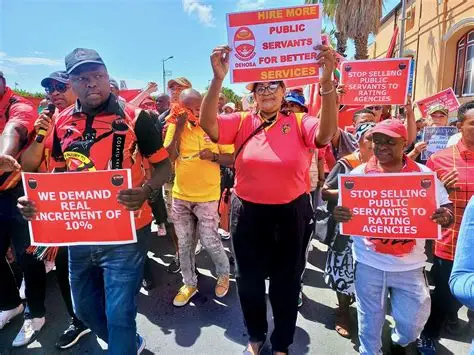
Public sector workers have issued an ultimatum to the Federal Government, demanding urgent intervention over the economic hardship affecting workers and their dependants across Nigeria.
The demand comes as pressure continues to build over the rising cost of living, with workers facing increased expenses for food, transportation, housing, electricity and other basic necessities.
The warning adds another layer of pressure to the Tinubu administration, which has faced sustained public criticism over the economic consequences of fuel subsidy removal, naira depreciation and rising living costs since 2023.
Labour groups in Nigeria have traditionally used deadlines and the threat of industrial action as part of negotiations with government over wages, allowances, working conditions and welfare measures.
The latest ultimatum therefore puts the Federal Government under pressure to reach an agreement before September 30. If negotiations fail and the unions proceed with industrial action, public services could be affected across different sectors.
Workers have continued to argue that increases in nominal wages have not necessarily kept pace with the real cost of living. The prices of food, transportation and accommodation have remained major concerns for households, particularly for workers whose income is largely fixed.
The timing of the demand is also notable because President Tinubu is currently outside Nigeria as part of an extended working vacation. Although the Presidency says the President has continued directing affairs from Europe, the situation could become more politically sensitive if negotiations with labour groups deteriorate.
The government will now face pressure to determine whether further talks, wage adjustments, allowances or other interventions can address the concerns before the September 30 deadline.
The outcome of the negotiations could also influence the wider labour-government relationship in the final months of the year, particularly if workers believe that existing measures have not adequately addressed the pressure on household finances.