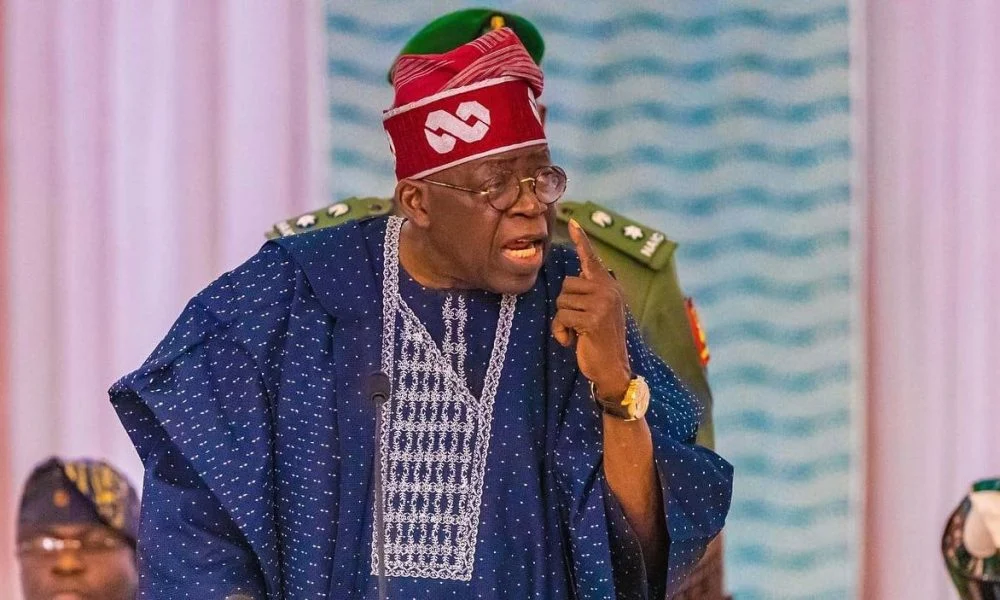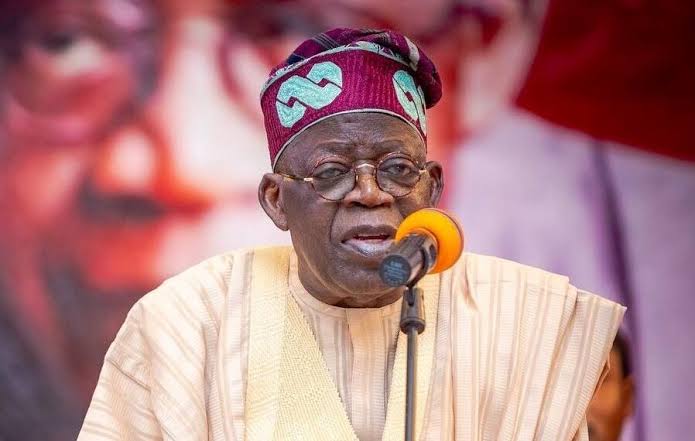
The Presidency has rejected concerns that President Bola Ahmed Tinubu’s absence from the 81st United Nations General Assembly could damage Nigeria’s diplomatic interests, with Vice President Kashim Shettima representing the country at the gathering in New York.
The 81st UN General Assembly commenced in New York as world leaders and senior government officials gathered for discussions covering international security, economic cooperation, climate change, development and other global issues.
Tinubu’s decision to remain in Europe has attracted significant attention in Nigeria because the United Nations General Assembly is one of the most important annual diplomatic gatherings involving world leaders. Nigeria has historically used the platform to promote its interests on issues including Security Council reform, regional cooperation, international development and economic partnerships.
The Presidency, however, has maintained that Nigeria’s absence of the President himself does not amount to Nigeria’s absence from the Assembly. Vice President Shettima has been delegated to represent Tinubu and is expected to deliver Nigeria’s national statement.
The development has also generated debate over who should represent Nigeria at the highest diplomatic level whenever the President is unavailable. The Presidency has argued that the Vice President’s representation ensures continuity in the country’s international engagements.
The issue became more prominent because Tinubu’s European vacation was extended beyond the original three-week period. The President departed Nigeria on August 30 and travelled first to London before moving to Paris.
The State House said Shettima left Abuja for New York on September 20 to attend the UNGA and that Secretary to the Government of the Federation, George Akume, would continue representing the President at some official events in Nigeria.
Critics have continued to question whether Tinubu should have attended the Assembly personally, especially considering Nigeria’s diplomatic priorities and the country’s desire to maintain visibility at major international gatherings.
The Presidency has rejected suggestions that the President’s absence automatically weakens Nigeria’s diplomatic standing. Instead, officials have emphasised that the government remains operational and that Nigeria is represented at the Assembly through the Vice President.
The debate is therefore likely to continue beyond this year’s UNGA, particularly as the government balances presidential travel, diplomatic representation and the constitutional questions being raised over the President’s prolonged absence from the country.