Nigeria Inflation and Naira Exchange Rate: Cost of Living Update
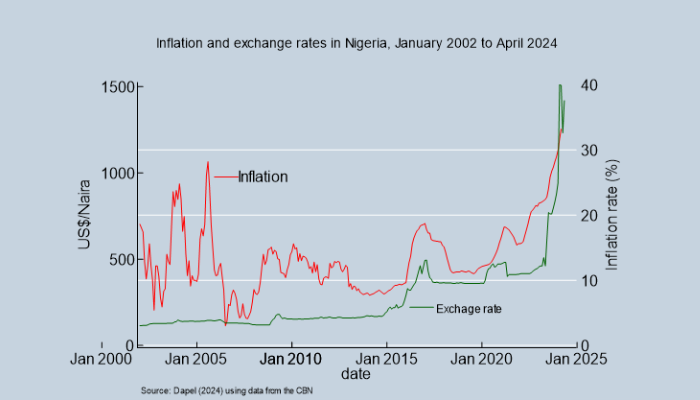
Headline inflation eased to the mid-teens in mid-2026 (15.43-15.91 percent range in recent prints) after peaking higher the previous year, helped by base-year revision and currency stabilisation.
Food inflation, however, remained elevated near 20 percent in July, keeping pressure on household budgets.
The naira traded with reduced volatility compared with the sharp depreciations of earlier periods, while foreign reserves provided a larger buffer.
Private-sector surveys indicated expanding output and employment intentions, yet many citizens continue to report that wage growth has not fully matched living costs.
Money-making avenues frequently discussed in the current environment include disciplined equity investment on the recovering stock market, skills in digital services and logistics tied to improving business conditions, and formal-sector opportunities in manufacturing and energy as capacity utilisation rises.
Policymakers project further inflation moderation toward 15 percent or lower by year-end if exchange-rate and supply-side measures hold.
The gap between improving macroeconomic indicators and everyday experience remains the central political and social tension heading into the final months of 2026. For households, the real test will be whether lower inflation and greater naira stability eventually translate into more noticeable relief in food, transport and other daily expenses.