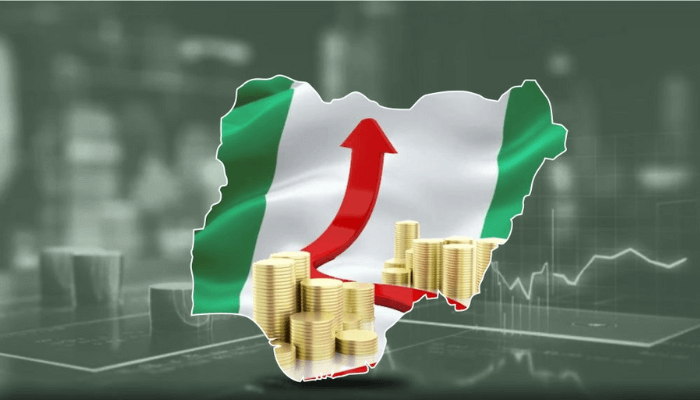
Nigeria’s private sector recorded its strongest business-conditions reading in 29 months in August 2026, with the Stanbic IBTC Bank Purchasing Managers’ Index climbing to 54.3 from 52.5 in July.
Output expanded for the 21st consecutive month across agriculture, manufacturing, services and construction, while new orders and purchasing activity accelerated.
Gross external reserves earlier reached $51.04-$51.45 billion, the highest level in 17 years. Real GDP grew 3.89 percent in the first quarter and 4.43 percent year-on-year in the second quarter.
Ten major listed companies posted combined first-half 2026 revenue of ₦14.4 trillion and profit before tax of ₦4.99 trillion, led by MTN Nigeria (₦2.99 trillion revenue), Dangote Cement and Seplat Energy.
The Nigerian Stock Exchange all-share index delivered year-to-date gains exceeding 50 percent at mid-year, creating tens of trillions of naira in market capitalisation.
Officials project full-year 2026 GDP growth near 4.1 percent if the momentum continues.
The figures give the administration stronger evidence for its claim that reforms are producing measurable macroeconomic improvement, although household-level pressure remains a separate political and economic debate.
The key question for the remaining months of 2026 is whether the stronger business activity, reserves and corporate earnings will continue translating into broader economic relief for ordinary Nigerians.