Dr Vitalis Azever Dies of Lassa Fever, Sparks Mourning Among Benue Medical Community
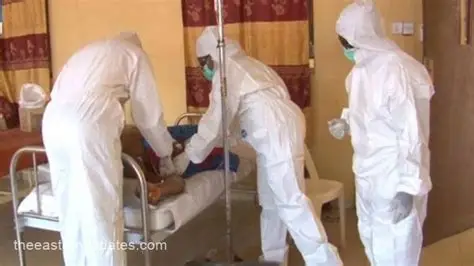
Dr Vitalis Tersoo Azever, a doctor with APIN Public Health Initiatives in Benue State, has died after reportedly battling Lassa fever for a prolonged period.
His death has generated mourning within the medical community, particularly among colleagues and healthcare workers who knew him and followed his work.
The death came at a time when Nigeria was recording a significant number of Lassa fever infections, with medical professionals among those exposed to the disease while treating patients.
Dr Msonter Anzaa of the Moses Orshio Adasu University Medical Alumni Association announced a seven-day mourning period in honour of Dr Azever and another physician, Dr Cedric Tyoor Kondom, who reportedly died from bone marrow failure around the same period.
The deaths prompted renewed calls for stronger protection for healthcare workers operating in high-risk areas.
Dr Anzaa called on the Federal Ministry of Health to review the country’s healthcare protection system, particularly the measures available to medical workers working in states where Lassa fever is widespread.
Among the concerns raised were access to personal protective equipment, early-warning systems, appropriate isolation facilities, diagnostic capacity and compensation for healthcare workers exposed to occupational risks.
The concerns are significant because doctors, nurses, laboratory personnel and other healthcare workers can come into contact with infected patients during diagnosis and treatment.
The NCDC had already announced a healthcare worker protection plan in response to the rising number of infections among medical staff.
Medical associations in affected states have continued to call for improved hazard allowances, better isolation wards and faster access to diagnostic testing.
The deaths of Dr Azever and Dr Kondom have therefore become part of a wider conversation about the risks faced by Nigerian healthcare workers and the need to strengthen the systems designed to protect them.
As Lassa fever continues to affect communities across several Nigerian states, healthcare workers remain at the centre of the country’s response and require adequate protection to safely provide treatment to patients.