Lassa Fever Cases Hit 1,000 Nationwide as 237 Deaths Are Recorded
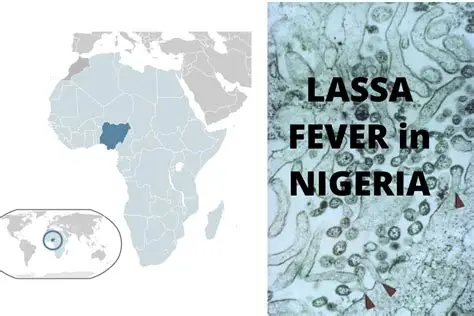
Nigeria has recorded 1,000 confirmed cases of Lassa fever and 237 deaths in 2026, according to the latest situation report covering epidemiological weeks 29 and 30, from July 13 to July 26.
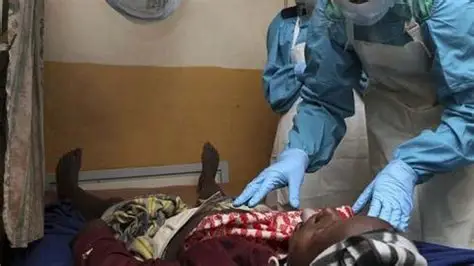
The Nigeria Centre for Disease Control and Prevention also reported that 53 healthcare workers had been infected with the viral disease as of the latest update, highlighting the risks faced by medical personnel working in areas where Lassa fever remains endemic.
Ondo, Bauchi, Taraba, Edo and Benue states accounted for the largest share of confirmed infections, collectively representing 86 percent of reported cases. Ondo accounted for about 32 percent, while Bauchi contributed approximately 25 percent.
The disease has also spread across a wide geographical area. According to the reported figures, 23 states had recorded at least one confirmed case in 116 local government areas.
The case fatality rate has also risen compared with the same period in 2025. The reported fatality rate of 23.7 percent this year compares with 18.8 percent during the corresponding period last year.
The figures have raised concerns among health authorities, particularly because healthcare workers are among those exposed to the virus while treating infected patients.
In response, the NCDC introduced a 30-day Healthcare Worker Protection Plan aimed at reducing infections among doctors, nurses and other medical personnel in the five most affected states.
The agency has also worked with international partners, including the World Health Organization and the US Centers for Disease Control and Prevention, through the National Lassa Fever Multi-Partner, Multi-Sectoral Incident Management System.
Lassa fever is primarily associated with rodents, particularly the multimammate rat, and can spread to humans through contact with food or household items contaminated by infected rodents.
The NCDC continues to advise residents in affected areas to maintain proper hygiene, reduce exposure to rodents and seek medical attention quickly when symptoms associated with the disease appear.
The continued infection of healthcare workers has also renewed calls for stronger protective equipment, improved isolation facilities, faster diagnosis and better support for medical staff working on the front lines of Lassa fever response.