
Beverly Naya Reveals Why She Spoke Out Against Skin Bleaching as WHO’s 77% Nigeria Statistic Sparked Her Campaign
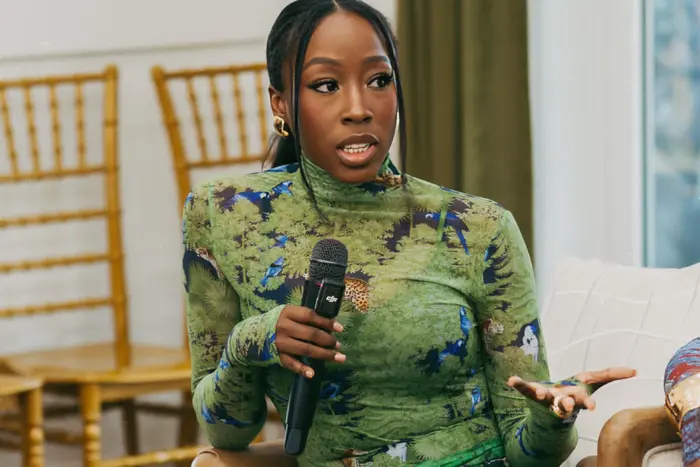
Nollywood actress and filmmaker Beverly Naya has revealed the deeply personal experiences that inspired her campaign against colourism and skin bleaching, saying a widely cited World Health Organization (WHO) statistic became the turning point in her advocacy.
Speaking during an appearance on the One54 Podcast, the actress explained that years of bullying she endured while growing up in London eventually pushed her to create Skin, the Netflix documentary that explores colourism, self-acceptance and the dangers of skin bleaching.
According to Naya, discovering a statistic claiming that 77% of Nigerian women use skin-bleaching products made her realise the issue was much larger than she had imagined and convinced her to dedicate her campaign to raising awareness.
Beverly Naya Says Teenage Bullying Shaped Her Mission
Naya shared that her difficult teenage years had a lasting impact on her confidence.
Although she said the bullying she experienced was not specifically because of her skin tone, it left emotional scars that followed her into adulthood.
After relocating to Nigeria, the actress initially planned to launch an anti-bullying campaign. However, she later decided the movement needed a stronger and more specific message that people could easily relate to.
That search for a clearer purpose eventually led her to focus on colourism and the growing culture of skin bleaching.
WHO Statistic Changed the Direction of Her Campaign
While researching the subject, Naya came across a widely circulated quote attributed to Willie Lynch, which allegedly described using differences in skin complexion to divide Black communities. Although historians have questioned the authenticity of the quote, she said it encouraged her to look deeper into how complexion influences society today.
She then encountered the WHO statistic claiming that 77% of Nigerian women use skin-bleaching products, the highest reported rate in Africa.
The same report placed other African countries significantly lower, including:
| Country | Reported Skin Bleaching Rate |
|---|---|
| Nigeria | 77% |
| Togo | 59% |
| South Africa | 35% |
| Senegal | 27% |
Naya said the statistic completely changed her perspective and became one of the biggest motivations behind producing Skin.
Actress Says Colourism Is Still Normalised in Society
According to Naya, she noticed that lighter skin is often viewed more favourably within parts of Nigerian society, creating pressure for many people to alter their natural complexion.
She argued that colourism has become so deeply embedded in everyday life that many discriminatory comments directed at dark-skinned individuals are often dismissed as jokes instead of being recognised as harmful behaviour.
The actress explained that her documentary was designed to give this form of discrimination a name while educating viewers about the health risks associated with skin-bleaching products.
She also hopes the project encourages people to embrace their natural skin tone rather than feel pressured to meet unrealistic beauty standards.
“That’s basically what inspired that movement,” Naya said while reflecting on the documentary.
Skin Arrived During a Global Conversation on Race
Naya noted that Skin premiered on Netflix approximately two weeks after the death of George Floyd in 2020, when conversations surrounding race, discrimination and identity were dominating headlines around the world.
She believes the timing helped draw greater attention to discussions surrounding colourism, particularly within African communities where the issue had not always been openly addressed.
The documentary continues to be recognised as one of Nollywood’s most notable productions examining colourism and the social pressures surrounding skin complexion.
Beverly Naya Opens Up About Life Beyond Nollywood
During the podcast conversation, Naya also reflected on how living in London, Lagos and New York has shaped her identity and career.
She discussed adapting to different cultures, balancing multiple accents and perspectives, and choosing to build her acting career in New York instead of Los Angeles.
The actress also spoke about the importance of protecting her mental health while dealing with fame, online criticism and constant public attention.
As a Forbes 30 Under 30 Africa honouree, Beverly Naya has continued expanding her work as an actress, producer and filmmaker, with Skin remaining one of her most impactful projects focused on social awareness and self-acceptance.