The Financial Winners and Losers of the 2026 FIFA World Cup: Who Made Billions and Who Paid the Price
The 2026 FIFA World Cup has become the biggest tournament in football history, featuring 48 national teams and more matches than any previous edition. While fans around the world have enjoyed unforgettable moments on the pitch, the competition has also generated billions of dollars in revenue off it.
The expanded tournament has created enormous financial opportunities for football’s governing body, broadcasters, sponsors, retailers, and global brands. At the same time, soaring ticket prices, expensive travel costs, and mixed economic returns for host cities have left others paying a heavy price.
Here’s a closer look at the biggest financial winners and losers of the 2026 FIFA World Cup.
FIFA Emerges as the Biggest Financial Winner
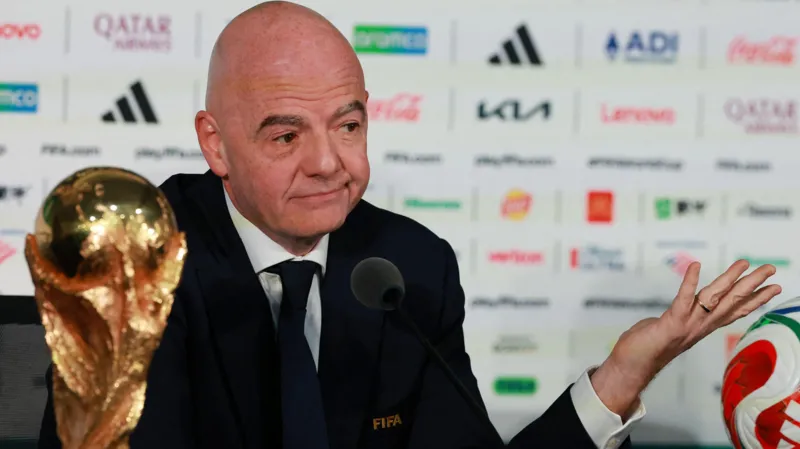
No organization has benefited more financially from the 2026 FIFA World Cup than FIFA itself.
After generating a record $7.6 billion during the Qatar 2022 World Cup, football’s governing body is expected to surpass that figure thanks to the tournament’s expansion from 32 to 48 teams across the United States, Canada, and Mexico.
According to Deutsche Bank Research strategist Marion Laboure, FIFA’s revenue across its current four-year cycle is expected to approach $13 billion, making it the clear financial winner.
FIFA earns revenue from several major sources, including:
| FIFA Revenue Sources | Details |
|---|---|
| Broadcasting Rights | Television and streaming deals worldwide |
| Sponsorships | Global commercial partnerships |
| Ticket Sales | Match ticket revenue |
| Hospitality Packages | Premium experiences for fans and businesses |
| Licensing | Merchandise and commercial rights |
| Official Ticket Resale | FIFA collects a 15% fee from both buyers and sellers |
The governing body also introduced an official resale marketplace, creating another profitable revenue stream.
With FIFA reportedly considering expanding future tournaments to 64 teams, the organization could unlock even larger global audiences and commercial opportunities.
Fans Face Record Costs Throughout the Tournament
While supporters have created an incredible atmosphere across North America, attending matches has become increasingly expensive.
Many fans have struggled with:
- High ticket prices
- Dynamic pricing during periods of high demand
- Expensive flights
- Rising hotel costs
- Increased transportation fares
- Higher food and accommodation prices
Some of the tournament’s most talked-about prices included:
| Expense | Reported Cost |
|---|---|
| World Cup Final Ticket | Up to $32,970 officially |
| Some Resale Final Tickets | More than $2 million |
| US vs Paraguay Ticket | Around $1,000 for some seats |
| New Jersey Transit Fare | Increased from about $12.90 to $150 before later being reduced |
Even US President Donald Trump commented that he personally would not pay around $1,000 for a ticket to watch the United States’ opening match.
Although transportation prices were later reduced following public criticism, many fans still paid significantly more than normal throughout the tournament.
Broadcasters and Sponsors Cash In on Massive Global Audience
Television networks and commercial sponsors have also emerged as major financial beneficiaries.
Broadcasting rights for the World Cup remain among the most valuable in sports, while advertisers continue to pay premium rates to reach hundreds of millions of viewers.
One notable commercial opportunity came from FIFA’s introduction of hydration breaks during matches.
Although FIFA insisted the breaks were introduced for sporting reasons, broadcasters quickly transformed them into sponsored advertising segments.
Industry estimates suggest:
| Advertising Opportunity | Estimated Value |
|---|---|
| Standard 30-second TV Advertisement | $200,000–$300,000 |
| High-profile US Match Advertisement | Up to $750,000 |
The expanded tournament also provides more matches, creating significantly more advertising inventory than previous World Cups.
Official sponsors such as Adidas and Coca-Cola continue to dominate stadium branding and worldwide marketing campaigns, helping reinforce their global visibility throughout the competition.
David Beckham Continues Winning Off the Pitch
Although Sir David Beckham retired from professional football years ago, he remains one of the tournament’s biggest commercial success stories.
The former England captain has appeared in numerous advertising campaigns during the World Cup while continuing to serve as one of football’s most recognizable global ambassadors.
His influence extends beyond endorsements through Inter Miami, the Major League Soccer club he co-owns, which is now valued at approximately $1.45 billion.
Beckham’s continued commercial appeal demonstrates how football legends can remain valuable global brands long after retirement.
Merchandise Sales Reach Record Levels
The excitement surrounding the tournament has driven strong demand for official football merchandise worldwide.
Sportswear manufacturers and retailers have reported record-breaking sales of national team jerseys.
Nike revealed that sales of its national team shirts have more than doubled compared with the 2022 World Cup.
Among Nike’s strongest-performing teams are:
- England
- France
- Brazil
- Netherlands
- United States
For Adidas, Mexico’s national team jersey has been one of its biggest sellers.
Retailers have also reported particularly strong demand for England, Scotland, Germany, Brazil, Argentina, and Mexico shirts.
The growing popularity of football fashion, especially among younger consumers, has helped transform national team jerseys into everyday streetwear rather than clothing worn only during tournaments.
However, the surge in demand has also fueled a significant increase in counterfeit merchandise sold across online and physical marketplaces.
Host Cities See Tourism but Limited Long-Term Economic Gains
The 16 host cities across the United States, Canada, and Mexico have welcomed millions of visiting supporters during the tournament.
Hotels, restaurants, bars, transport operators, and local businesses have all experienced short-term increases in customer activity.
FIFA estimates the tournament could contribute approximately:
| Economic Impact | Estimated Value |
|---|---|
| Global Economic Contribution | $41 billion |
| US Economic Impact | $17 billion |
| Jobs Created | Around 185,000 |
Despite these impressive projections, many economists remain skeptical about the lasting economic benefits.
Experts argue that major sporting events often shift tourism rather than permanently increase it, with many regular visitors choosing to avoid host cities during busy tournament periods.
Most of the employment created is also concentrated in temporary hospitality and service-sector jobs rather than long-term, higher-paying careers.
Because the 2026 World Cup relies largely on existing stadiums and infrastructure instead of major new construction projects, analysts believe the long-term economic legacy could be relatively limited.
Hotels Experience Mixed Financial Results
Hotels have benefited from strong occupancy during match periods as supporters travel between host cities.
However, industry analysts note that the gains have not been evenly distributed.
While hotels located near stadiums and tourist hotspots have enjoyed higher revenues, many accommodations outside major match zones have seen less dramatic increases.
Some experts also argue that regular leisure and business travelers delayed or canceled trips to avoid the crowds and elevated prices, offsetting part of the expected tourism boost.
As a result, the hospitality sector has enjoyed a short-term surge in demand, but the long-term financial impact remains uncertain.
Biggest Financial Winners and Losers at the 2026 FIFA World Cup
The expanded 2026 FIFA World Cup has proven to be a commercial powerhouse, generating enormous revenues across football and global business.
Biggest Winners
- FIFA
- Broadcasters
- Global sponsors
- Sportswear brands
- Merchandise retailers
- David Beckham and other commercial ambassadors
Biggest Losers
- Fans paying record ticket and travel costs
- Host cities facing uncertain long-term returns
- Hotels in less active areas that missed the tourism boom
- Consumers affected by inflated accommodation and transportation prices
While the tournament has delivered unforgettable sporting moments, it has also highlighted the growing commercialization of football, where billions of dollars continue to flow through the world’s biggest sporting event, even as attending matches becomes increasingly expensive for ordinary supporters.