
Vocational Training Offers Another Route Into Employment
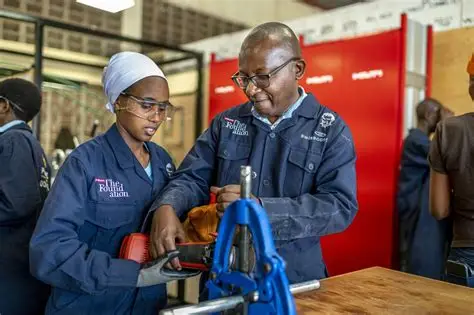
Not every career begins with a university degree. For many young Nigerians, practical training in construction, engineering support and technical trades can provide another route towards earning an income and developing a long-term career.
The reported Julius Berger Vocational Support Programme for 2026 is presented in your supplied material as an opportunity for young people interested in acquiring practical skills. The notes describe a proposed intake of 5,000 participants, alongside possible training support, stipends and employment opportunities for selected candidates.
These programme details, including the number of places and application deadline, have not been independently confirmed here. Prospective applicants should check the company’s official announcements before relying on them.
Why Construction and Technical Skills Matter
Construction projects require more than engineers and project managers. They also depend on trained workers who can perform specialised tasks, follow safety procedures and work effectively with technical equipment.
Depending on the programme and available placements, vocational education may introduce participants to practical areas such as electrical work, plumbing, welding, equipment maintenance and other construction-related trades.
The exact courses available would need to be confirmed in the official programme information.
For young people who prefer hands-on learning, vocational training can provide a structured way to build competence. It may also help participants understand workplace expectations before seeking employment with construction companies or other employers.
Who Should Consider Applying?
The reported programme may interest school leavers, graduates and other young people seeking technical skills, but applicants should confirm the actual eligibility requirements before submitting their details.
Important questions include whether applicants must live in a particular state, whether previous technical experience is required, which qualifications are accepted and whether participants need to pass an assessment.
Applicants should also check the duration of training, the location of training centres and whether tools, protective equipment or transport support will be provided.
If stipends are advertised, the official guidelines should explain the applicable conditions rather than leaving candidates to depend on social media claims.
Does Completing Training Guarantee a Job?
This is one of the most important questions for anyone considering a vocational programme.
Training can improve a participant’s skills and employability, but an advertised training opportunity should not automatically be interpreted as a guaranteed permanent job. The distinction between training, an internship, an apprenticeship and direct employment matters.
Applicants should check whether the programme promises interviews, placement assistance, paid apprenticeships or employment for a defined number of successful participants.
Your notes also raise concerns about follow-up and the tracking of trainees in previous programmes. Those concerns underline the importance of transparent selection procedures, clear communication and proper support after training.
How Applicants Can Prepare
Young people interested in technical careers can prepare by gathering their educational records, updating their CVs and identifying the skills they want to develop.
They should read the official application instructions carefully, submit accurate information and avoid paying unofficial intermediaries who promise guaranteed selection.
Vocational training can be a valuable investment in practical knowledge, particularly when it combines supervised learning with recognised qualifications and genuine workplace experience.
If the reported Julius Berger programme is confirmed, its actual value will depend not just on the number of people admitted but also on the quality of the training and the opportunities available after completion.