
Peter Obi and the Kabiru Sokoto Arrest Saga: Security Questions Return to Political Debate
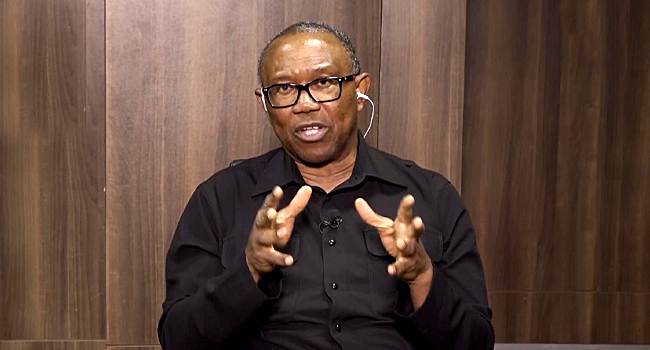
Security is one of the issues that continues to shape public debate in Nigeria. Concerns about attacks, kidnapping, banditry and other forms of violence have made the safety of communities a major subject for citizens, policymakers and political figures.
Your supplied notes describe Peter Obi revisiting the 2012 Kabiru Sokoto arrest saga in a social media post while questioning Vice President Kashim Shettima about security in the Northeast.
The exact post, its wording and the reported engagement figures have not been independently confirmed here. Before publication, the original statement should be checked so that readers can distinguish what Obi actually said from commentary or interpretation circulating online.
Why the Kabiru Sokoto Case Is Being Referenced
The reference to the 2012 arrest saga brings an earlier security-related episode into a contemporary political discussion.
When political figures revisit past events, they may be attempting to question government performance, draw attention to unresolved concerns or compare previous and current approaches to national security.
However, the historical background and any claims about responsibility should be checked against reliable reporting and official records. A reference to an earlier case does not, by itself, establish a connection to every current security incident.
Northeast Security and Public Concerns
The Northeast has faced serious security challenges, and public debate about the government’s response often centres on the protection of civilians, the restoration of stability and the return of normal economic activity.
Insecurity can affect access to schools, healthcare, farming, transport and other essential services. It can also place additional pressure on communities already dealing with economic difficulties.
Political criticism may bring attention to these issues, but meaningful assessment requires evidence about security conditions, government actions and outcomes for affected residents.
Questions directed at public officials should therefore be reported accurately, with responses included where available.
Social Media’s Influence on Political Debate
X and other social media platforms allow political statements to reach large audiences quickly. Supporters may share a post because they agree with its message, while critics may respond with competing interpretations.
Viral engagement can show that a subject is attracting attention, but it does not establish whether a claim is accurate or whether most Nigerians share the same view.
Short clips and screenshots can also omit important context. Readers should look for the complete statement and credible reporting before reaching conclusions.
What Nigerians Should Watch For
The most useful follow-up is whether the individuals or institutions mentioned respond, whether additional verified information emerges and whether the discussion leads to specific proposals or accountability measures.
For journalists, the responsibility is to separate documented events from political claims and personal interpretations. This is especially important when reporting on terrorism, security operations and allegations involving public figures.
The reported exchange involving Peter Obi and the Kabiru Sokoto case illustrates how historical security controversies can re-enter contemporary political debate. Its broader significance will depend on the precise statements made, the responses received and the evidence available concerning the security questions being raised.