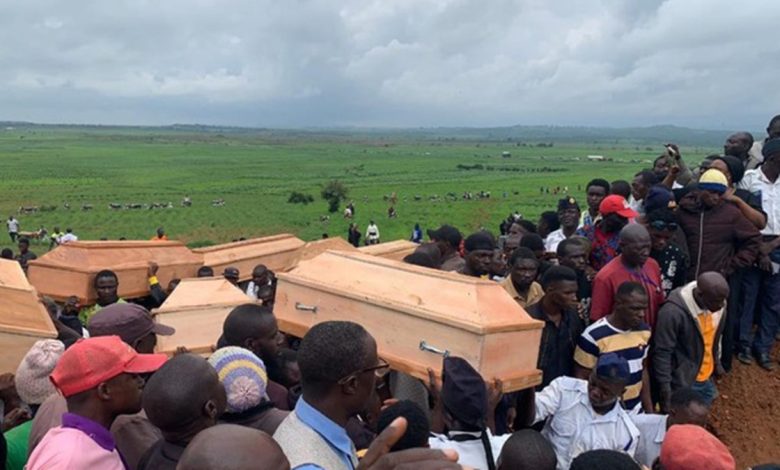
The full story that exploded across X today in Plateau State is far more serious than the initial social media reports suggested. Fresh reports indicate that a deadly communal attack has left at least 25 people dead in a remote village within the state.
The violence erupted in the early hours of September 5, 2026, when gunmen stormed the area in what security sources describe as a sudden wave of unrest that caught residents completely off guard.
The attacks were not isolated incidents but part of a broader pattern of clashes that have been brewing for months in Plateau and surrounding regions. Eyewitnesses on the ground shared footage and details on X, describing how masked assailants opened fire on homes and farmland, leaving bodies scattered and families in total shock. One survivor told local media that the attackers came from multiple directions, making escape almost impossible.
The incident comes just days after earlier reports of similar tensions in Kaduna State, where religious lines have often fuelled deadly confrontations. In Plateau, the conflict has roots stretching back years, with cycles of revenge attacks between ethnic groups that have cost hundreds of lives over the past decade alone.
The 2023-2024 clashes that displaced thousands in Jos and its environs set the stage for this latest outbreak, and many analysts fear the situation could spiral further without urgent intervention from Abuja.
The reality on the ground shows that law enforcement forces arrived late at the scene, leaving villagers to bury their dead under urgent conditions. X users flooded timelines with prayers and calls for calm, with handles like @UpdatedNigeria posting updates that the death toll could climb higher.
The discussion has also turned toward broader security failures under the current administration, with some commentators arguing that militancy reports in Abuja have been downplayed while farmer-herder clashes continue unchecked in the Middle Belt.
This is not the first time Plateau has seen such tragedies. In 2018 alone, over 1,000 people died in similar outbreaks, and the government promised reforms that never fully materialised.
Today, the economic impact is already visible, with markets in nearby towns shutting down and food supplies at risk. Families are mourning loved ones while fearing for their own safety, and the psychological toll on survivors cannot be measured.
The bigger concern now is whether this marks the beginning of a new phase in Nigeria’s northern-central violence. With no immediate arrest of suspects reported and no strong statement from federal authorities in the first 24 hours, many are calling for a special investigation committee.
For communities already living with years of insecurity, another deadly attack is more than a statistic. It raises fresh questions about whether existing security measures are enough to protect vulnerable villages. Nigeria must respond decisively, or the fear and instability surrounding Plateau could deepen in the weeks ahead.