2027 Election: Rufai Oseni Questions Presidential Aspirants Who Omit Primary School Records
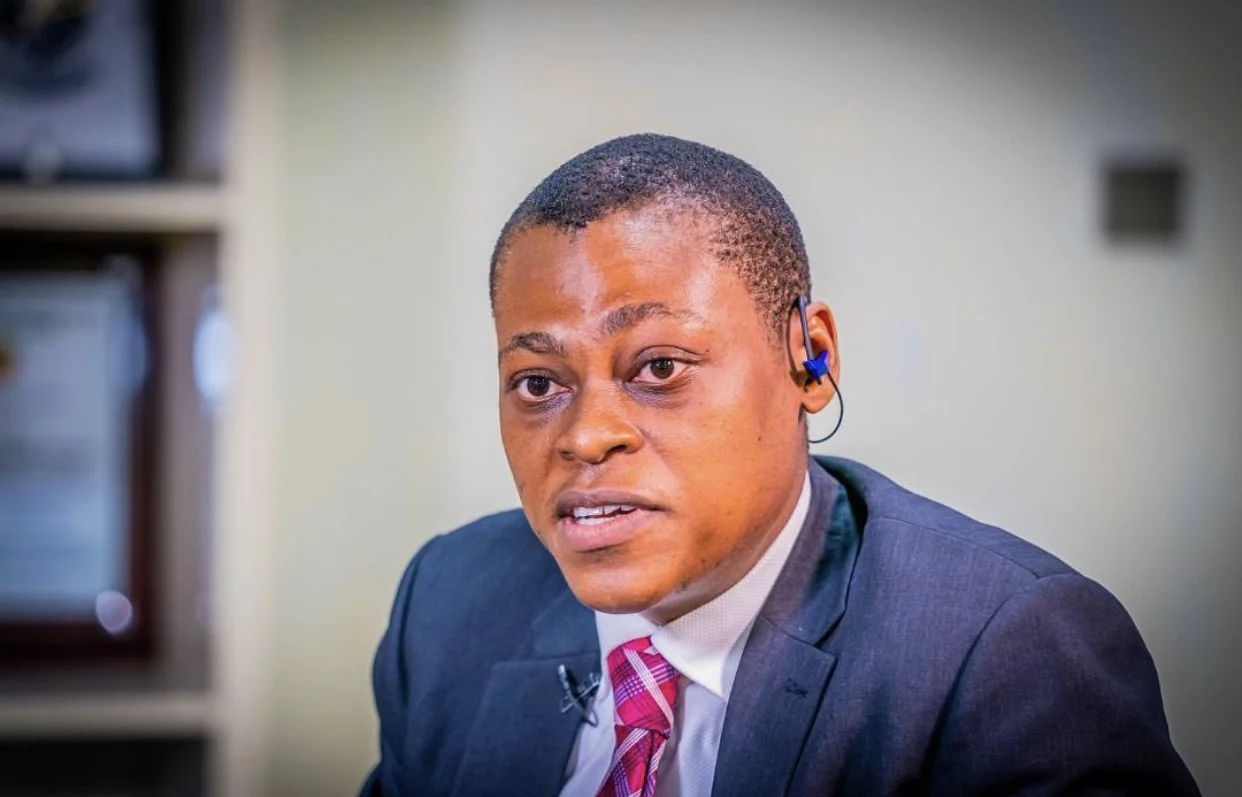
Popular broadcaster and Arise Television Morning Show anchor Rufai Oseni has stirred fresh debate over the educational records submitted by presidential candidates for the 2027 general election, saying Nigerians should be concerned about anyone seeking the country’s highest office without clearly stating where they attended primary school.
The media personality made the remark in a Facebook post on Sunday following the public release of presidential nomination documents by the Independent National Electoral Commission (INEC).
“People that can’t tell you their primary school want to be your president and Nigerians will vote them,” Oseni wrote.
His comment has fueled ongoing discussions surrounding the personal particulars and academic credentials submitted by candidates contesting the 2027 presidential election.
INEC Documents Trigger Fresh Public Debate
The controversy follows INEC’s decision to publicly display the personal particulars, educational qualifications, affidavits, and other statutory documents submitted by presidential candidates as required by law.
Among the documents released, President Bola Ahmed Tinubu, the presidential candidate of the All Progressives Congress (APC), listed only his Bachelor of Science degree from Chicago State University as his educational qualification.
However, the sections meant for his primary and secondary school attendance years were filled with “0000,” a detail that has attracted widespread public attention and renewed criticism from political observers.
Meanwhile, the nomination documents submitted by Peter Obi, the candidate of the Nigeria Democratic Congress (NDC), and Atiku Abubakar, representing the African Democratic Congress (ADC), included educational histories beginning from their primary school education.
The differing disclosures have become a major talking point as Nigerians continue to examine the records released by the electoral commission.
INEC Opens Window for Public Scrutiny
INEC explained that the publication of candidates’ personal particulars officially begins the legally required period for public scrutiny.
During this period, any Nigerian who believes information contained in a candidate’s affidavit is false has the right to challenge it through the appropriate court, in accordance with the provisions of the Electoral Act.
The commission said the exercise is designed to promote transparency and accountability in Nigeria’s electoral process ahead of the 2027 presidential election.
Political Debate Intensifies Ahead of 2027
Oseni’s remarks have added another layer to the growing political conversations ahead of the 2027 elections, with many Nigerians closely examining the educational records and personal information submitted by those seeking the nation’s highest office.
As public scrutiny continues, the documents released by INEC are expected to remain a focal point of political discussions in the weeks leading up to the election.