Xenophobia Forces Nigerians to Flee South Africa, Leaving Children Behind Amid Growing Family Separation
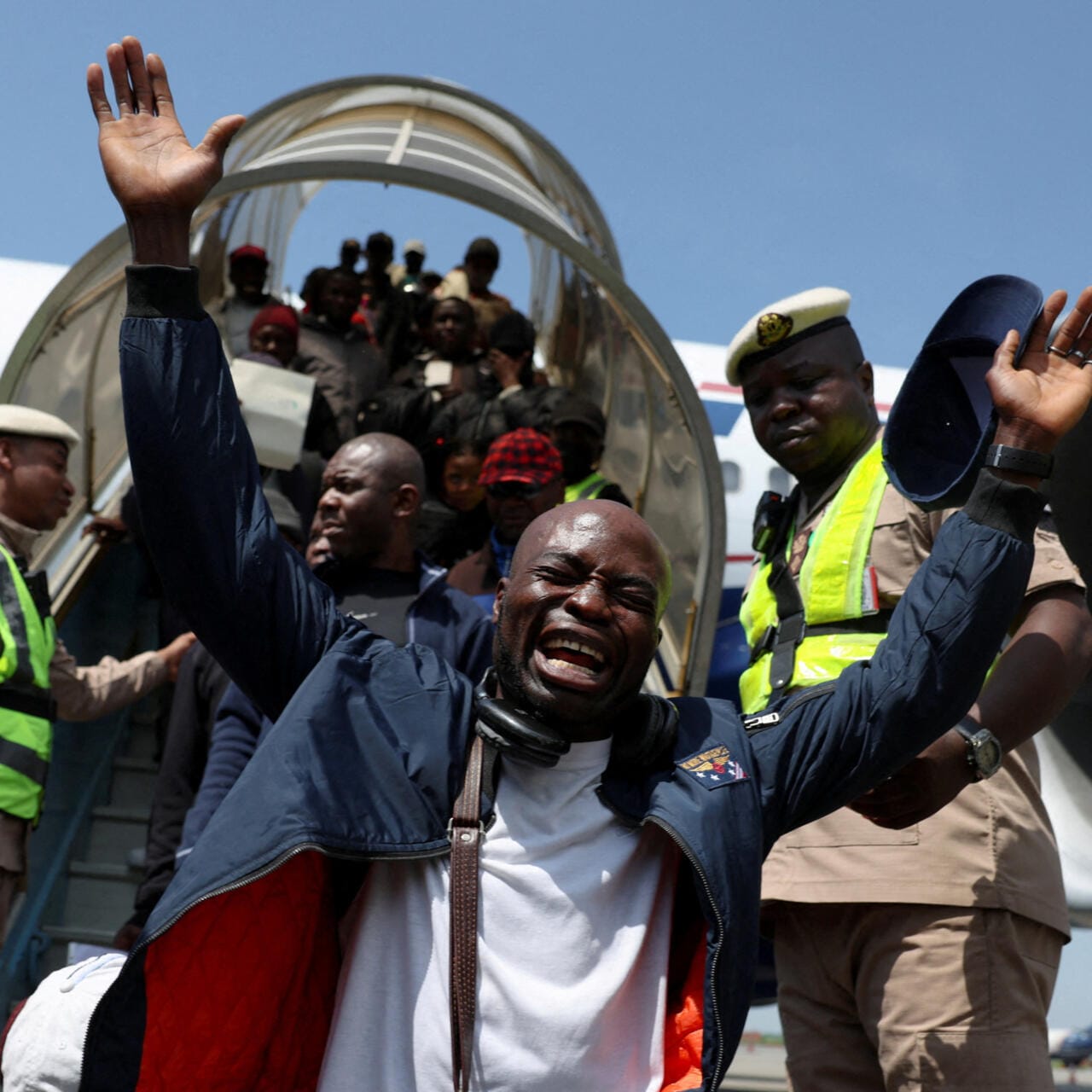
The ongoing wave of xenophobic attacks in South Africa has forced many Nigerians to abandon their lives and return home, but for some, the painful reality extends beyond leaving businesses and property behind. Many are now being separated from their children, who remain in South Africa with their mothers.
A Nigerian resident in Johannesburg, Francis Akpan, revealed that the situation has become one of the most heartbreaking consequences of the recurring violence targeting Nigerians and other African nationals.
Speaking during a telephone interview, Akpan explained that although he had not personally fallen victim to the attacks, he would have returned to Nigeria if he had the financial resources, despite not completing his education.
Many Fathers Forced to Leave Their Children Behind
According to Akpan, numerous Nigerian men who have children with South African women have been unable to return to Nigeria with them.
He said financial hardship remains one of the biggest obstacles, while in many cases, the children’s mothers refuse to allow them to leave South Africa with their fathers.
“The saddest part of this forced return to Nigeria is that many of our men leave their children behind. In most cases, they lack the financial resources to take them along, while in other instances, the children’s mothers refuse to allow them to leave South Africa with their fathers,” Akpan said.
Families Torn Apart by Forced Relocation
Akpan cited the example of a Rivers State indigene, identified as Samuel Finecountry, who reportedly returned to Nigeria without any of his five children despite spending years raising them in South Africa.
He also disclosed that another Nigerian from Cross River State is preparing to relocate to Nigeria in August 2026 but will similarly leave behind his three children.
According to him, such cases have become increasingly common as more Nigerians abandon South Africa due to safety concerns.
Children Raised in South Africa Have Little Connection to Nigeria
Akpan noted that many children born to Nigerian fathers and South African mothers have grown up entirely in South Africa and have little or no connection to Nigeria.
He referenced South African international footballer Ime Okon, whose late father was from Akwa Ibom State. According to Akpan, the footballer has previously stated that he considers himself fully South African because he was born and raised there and has never visited Nigeria.
He added that many children in similar situations are unlikely to relocate to Nigeria independently, as their lives, education, and identities are deeply rooted in South Africa.
Xenophobic Violence Reportedly Eases
On the current security situation, Akpan said the intensity of xenophobic attacks has reduced in recent months following increased pressure from regional and international stakeholders.
He claimed that diplomatic interventions by the African Union (AU), the European Union (EU), Ghana, and several African countries have contributed to easing tensions.
Akpan also alleged that South African authorities have begun sending emissaries to some African nations to express regret over the attacks, particularly after the country’s economy reportedly suffered from the departure of foreign-owned businesses, including enterprises operated by Nigerians and other African nationals.
Growing Human Cost of Xenophobic Attacks
While businesses, jobs, and investments remain among the most visible casualties of xenophobic violence, Akpan believes the emotional impact on families is even greater.
As more Nigerians leave South Africa in search of safety, many are being forced into difficult decisions that separate parents from their children, creating long-term family challenges that could last for years.