Uzor Kalu Identifies Fuel Prices and Dollar Rate as Major Threats to Nigeria’s Economy
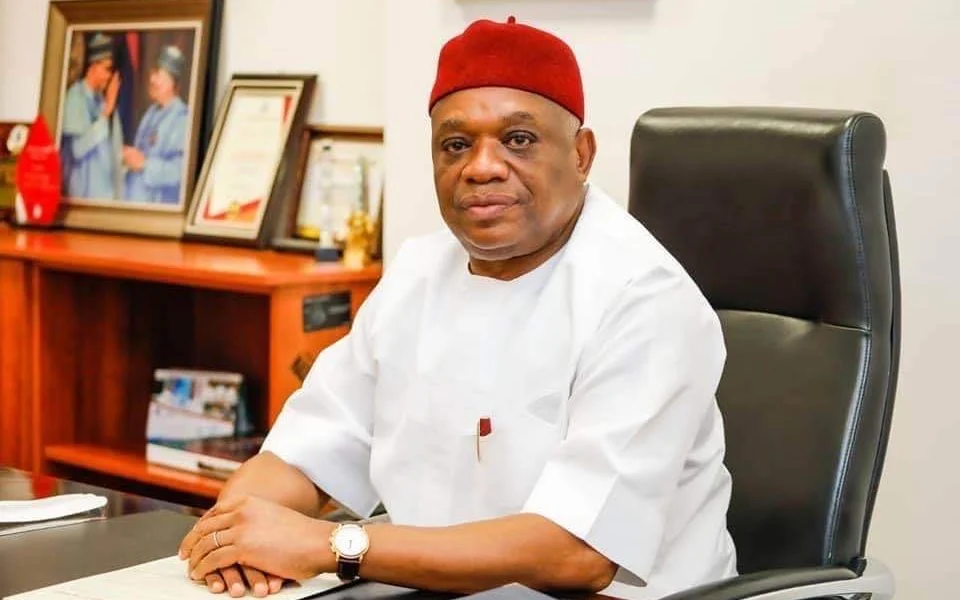
Senator representing Abia North, Orji Uzor Kalu, has identified the rising cost of fuel and the naira-dollar exchange rate as two major factors putting pressure on Nigeria’s economy.
Kalu made the remarks during a television interview on Monday, where he argued that Nigeria must move away from an economy heavily dependent on oil and place greater emphasis on domestic production.
Kalu: Fuel and Dollar Prices Are Hurting the Economy
According to the former Abia State governor, the high cost of fuel and fluctuations in the value of the dollar have become major obstacles to economic stability.
“There are two things crippling this economy … the price of fuel and the price of the dollar,” Kalu said.
He argued that the situation is particularly difficult for ordinary Nigerians, especially young people who are increasingly concerned about when economic hardship will ease.
Kalu also criticised what he described as a lack of willingness among some government officials to make difficult decisions and sacrifices needed to improve the country’s economic situation.
Nigeria Must Produce More, Kalu Says
The senator maintained that Nigeria cannot achieve sustainable economic growth by continuing to depend primarily on crude oil.
He said the country needs to strengthen production across different sectors so that Nigerians can produce more of the goods they currently depend on imports to obtain.
Kalu stressed that oil revenue alone cannot solve Nigeria’s economic challenges if the country continues to import basic necessities.
“This economy has been unproductive since 1960. What I do is production, and I continue to say that the economy must be productive. We must produce,” he said.
His position comes amid continued concerns over the cost of living, energy expenses, food prices and the impact of exchange-rate movements on businesses and households.
Oil Revenue Should Support Domestic Production
Kalu said Nigeria should make better use of its oil earnings by investing the proceeds in areas that can strengthen domestic production, particularly agriculture and food supply.
He argued that producing more goods locally would reduce the country’s dependence on imports and make the economy less vulnerable to movements in the foreign exchange market.
“If we don’t produce, no matter the amount of oil you get out of the Niger Delta or elsewhere, it’s not going to be our solution,” he said.
According to him, oil should provide the resources needed to build a stronger productive economy rather than remain the country’s main economic lifeline.
The Bigger Challenge for Nigeria
Kalu’s comments highlight two issues that continue to affect businesses and consumers: energy costs and access to foreign exchange.
Higher fuel prices can increase transportation and production expenses, while movements in the dollar exchange rate can raise the cost of imported goods and raw materials.
For Kalu, addressing these pressures requires Nigeria to look beyond oil and build an economy capable of producing more of what its population needs.
He maintained that increasing local production remains essential if the country is to achieve lasting economic stability rather than repeatedly relying on temporary solutions.