Tinubu’s Economic Reforms Were Necessary but Poorly Managed – Financial Analyst Kalu Aja

President Bola Ahmed Tinubu‘s economic reforms have once again sparked debate after financial analyst Kalu Aja argued that while the government’s major policy decisions were necessary, the implementation lacked the support Nigerians desperately needed.
Speaking through a post on his X account, Aja described the removal of the fuel subsidy and the decision to float the naira as bold economic reforms that were long overdue. However, he maintained that the administration failed to cushion the impact on ordinary Nigerians after introducing the policies.
According to him, the government’s biggest mistake was implementing the reforms without providing sufficient relief measures to help households and businesses adjust to the sudden economic changes.
“The Federal Government’s reforms are good. It was expedient to remove the subsidy on Premium Motor Spirit and float the dollar. The problem is they removed the subsidy and then went to sleep—no palliatives, no cushion,” Aja stated.
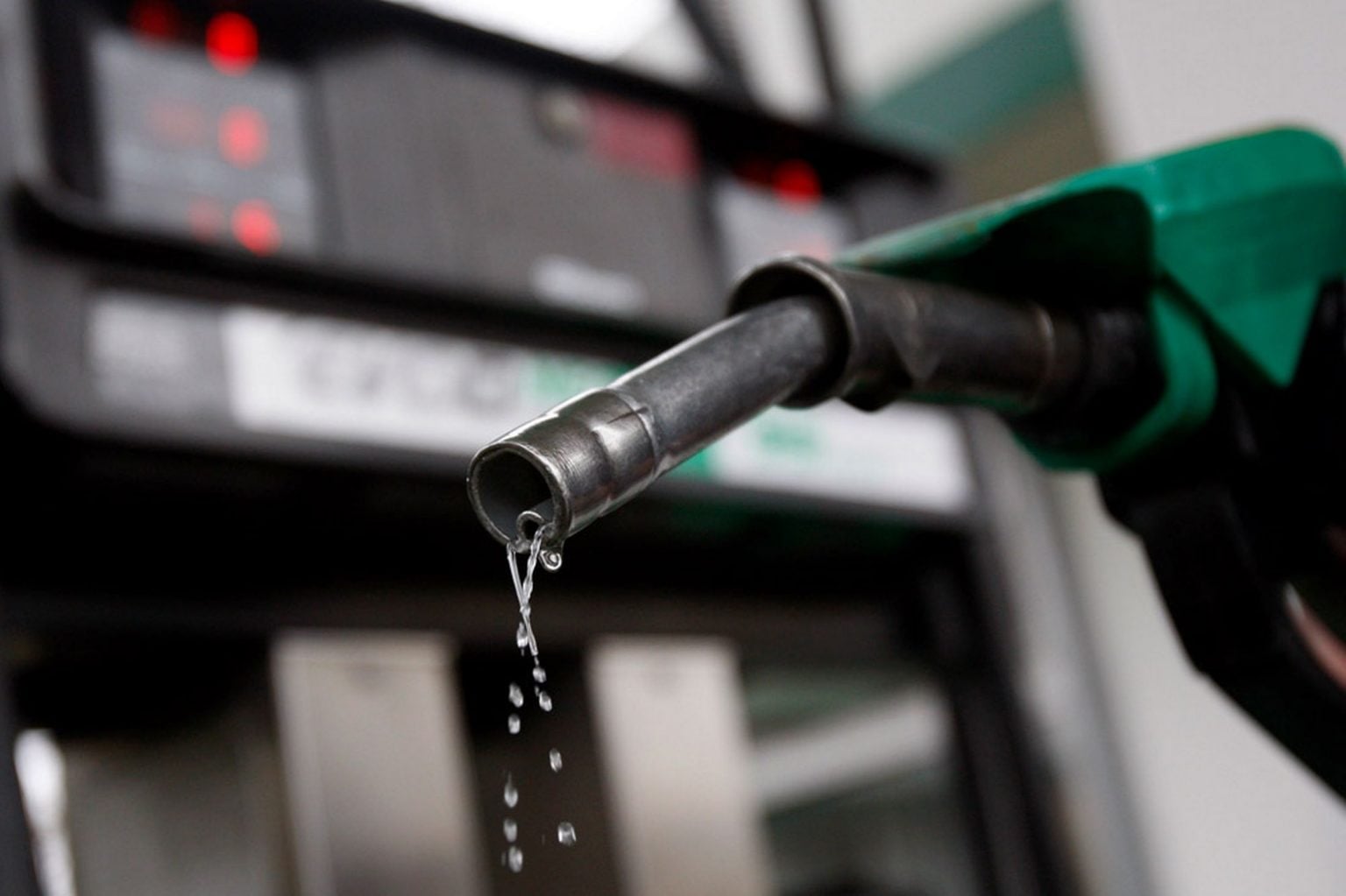
Fuel Subsidy Removal and Naira Float Continue to Impact Nigerians
President Tinubu’s administration officially removed the fuel subsidy shortly after assuming office in May 2023. Weeks later, the government also adopted a market-driven exchange rate policy, allowing the naira to float against foreign currencies.
The two reforms were widely viewed by economists as necessary steps to address long-standing distortions in Nigeria’s economy. However, they also triggered a sharp rise in transportation costs, food prices, inflation, and the overall cost of living.
More than three years after the policies were introduced, many Nigerians continue to grapple with their economic consequences.
Petrol Price and Exchange Rate Have Changed Significantly
The economic landscape has shifted dramatically since the reforms were introduced.
At the time the subsidy was removed in May 2023:
- Petrol sold for about ₦238 per litre.
- The exchange rate stood at approximately ₦464 per US dollar.
As of August 2026:
- Petrol prices range between ₦1,300 and ₦1,335 per litre.
- The naira trades at around ₦1,368 per US dollar.
The significant increase in fuel prices and the depreciation of the naira have continued to place pressure on businesses, manufacturers, and households across the country.
Debate Over Tinubu’s Economic Policies Continues
While supporters of the administration argue that the reforms were unavoidable and are essential for long-term economic stability, critics insist that the government should have introduced stronger social support programmes before implementing such far-reaching policies.
Aja’s comments add to the growing conversation surrounding the effectiveness of the administration’s economic strategy, particularly regarding whether enough has been done to reduce the hardship experienced by millions of Nigerians since the reforms began.
As discussions continue, the focus remains on whether additional intervention measures will be introduced to ease the burden on citizens while the government pursues its long-term economic agenda.