ECB’s Christine Lagarde Warns Europe Must Build Its Own AI Capacity
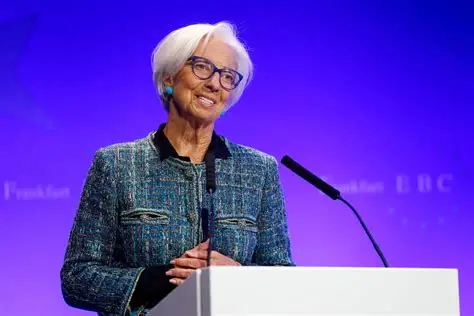
European Central Bank President Christine Lagarde warned that Europe risks strategic isolation if it fails to develop indigenous artificial intelligence capacity.
Speaking in a formal setting, she argued that dependence on either American or Chinese systems could leave the continent vulnerable to sudden restrictions.
The remarks landed amid ongoing debates inside EU institutions about investment levels, regulatory frameworks and industrial policy.
Officials working on the AI Act and related competitiveness files took the intervention as reinforcement of the need for faster capital deployment.
National governments differ on how much public money should underwrite large-scale computing infrastructure.
Lagarde’s emphasis on autonomy resonated with those who view technology as a core element of economic security rather than a purely commercial domain.
Europe’s AI Ambitions Face Funding Questions
Social media accounts linked to central banks and finance ministries amplified key sentences, while private sector voices cautioned against protectionism that could slow adoption.
The speech forms part of a broader conversation about Europe’s ability to set standards and retain talent in advanced technologies.
Technical working groups are already examining how monetary policy and supervisory tools intersect with the financing of AI infrastructure.
For markets, the clarity of the warning provided an additional data point on official thinking.
The practical follow-up will depend on whether member states translate the diagnosis into coordinated funding and regulatory choices in the coming budget cycle.
Lagarde’s intervention has therefore added another layer to Europe’s wider debate over technological independence, investment and whether the continent can build enough domestic AI capacity to compete globally without creating barriers that slow innovation.