Pete Edochie Opens Up on Biafran War Survival, Health and Fatherly Influence
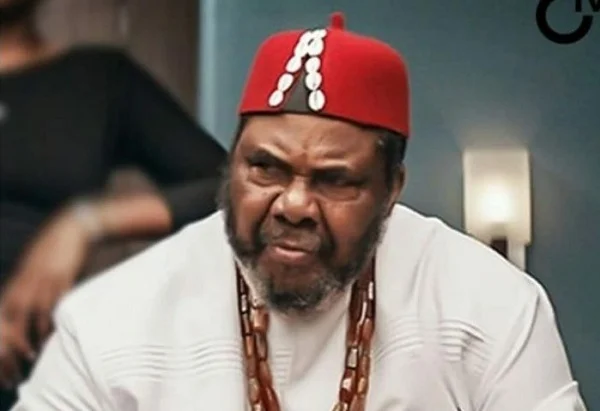
Veteran Nollywood actor Pete Edochie has shared deeply personal reflections on surviving the Biafran War, dealing with health challenges and the experiences that have shaped his long life and career.
In recent interviews conducted in early October 2026, including during a legacy tour stop in Ghana and at his home in Enugu, the celebrated actor discussed some of the most difficult periods of his life.
Edochie recalled the hardship of the war years, spoke about his current physical challenges and reflected on his position as an elder whose opinions can carry weight in conversations about leadership and national affairs.
His comments offer a personal perspective on the life behind one of Nigeria’s most recognisable acting careers.
Pete Edochie Remembers the Hardship of the Biafran War
Edochie described the Biafran War years as the most challenging period of his life.
Looking back on the experience, he recalled a time when survival was difficult and people often ate whatever they could find.
“By the grace of God, we survived,” he said, describing the period as the toughest individual experience he had faced.
His account brings attention to the hardship and uncertainty experienced by people who lived through the war.
For Edochie, the memory remains an important part of his personal history, despite the decades that have passed since the conflict.
His willingness to discuss those years also gives younger audiences an opportunity to hear reflections from someone who experienced that period firsthand.
Beyond his fame as a Nollywood actor, Edochie’s story is connected to the wider history of Nigeria and the experiences of people whose lives were shaped by conflict and survival.
Actor Speaks About His Health Challenges
Edochie also addressed concerns about his health during the recent interviews.
He disclosed that he has experienced difficulty walking and intermittent swelling in different parts of his body.
Despite these challenges, the veteran actor remains optimistic about his recovery.
His comments provide a personal update on his physical condition while showing that he continues to approach his circumstances with the composure that has characterised his public presence over the years.
The actor’s health has become another part of the conversation surrounding his later years, alongside his reflections on history, family and the entertainment industry.
His account is also a reminder that public figures known for strength and authority on screen experience personal challenges away from the camera.
Pete Edochie on His Age and Relationship With Nigerian Leaders
Edochie also reflected on his age and the perspective it gives him when speaking with political leaders.
He noted that he would turn 80 in roughly six months, making him older than President Bola Tinubu and all 36 state governors, according to his account.
When speaking to them, he explained, it feels like a father talking to a son.
The comparison reflects the generational perspective from which he approaches discussions with people in positions of authority.
He also recalled an occasion when he appealed for assistance for an ailing colleague. According to Edochie, the government responded the following week with ₦500,000.
The recollection illustrates his account of how personal appeals and established relationships can sometimes intersect with public institutions.
His comments also reflect the cultural position he occupies as a veteran actor whose career and life experience have made him a respected figure across generations.
Pete Edochie’s Command of Shakespeare
Another striking aspect of Edochie’s recent interviews was his ability to recite passages from William Shakespeare’s plays Julius Caesar and Henry V from memory.
The actor demonstrated his familiarity with the classical material, attributing his ability to the discipline of learning the lines years earlier.
He explained that he had believed the lines would eventually prove useful.
His recollections also included the influence of actors such as Laurence Olivier, whose work helped shape his appreciation of performance and classical acting.
The recitations highlighted a dimension of Edochie’s craft that extends beyond the characters and dialogue audiences have come to associate with his Nollywood career.
His approach places emphasis on memory, preparation, language and the discipline required to deliver complex material convincingly.
For younger actors, his example offers a reminder that strong screen performances can be supported by years of study and a lasting commitment to the craft.
A 57-Year Marriage and Lessons From Family Life
Edochie has also spoken about the longevity of his 57-year marriage.
He attributed part of its endurance to marrying early and avoiding distractions.
His reflections on marriage add another dimension to the public image of an actor often associated with authority, wisdom and commanding performances.
The comments also show how his personal experiences have become part of the lessons he shares with younger generations.
In a public life that has spanned decades, family and personal discipline remain important themes in his account of what has helped him maintain stability.
His reflections on marriage, like his memories of war and his thoughts on leadership, offer insight into the values he believes have shaped his life.
Pete Edochie’s Enduring Place in Nigerian Culture
Pete Edochie remains one of the most recognisable figures in Nigerian entertainment, respected across generations for his iconic roles, distinctive voice and proverbial wisdom.
His recent interviews show a side of the veteran actor that extends beyond the authority he brings to the screen.
He has spoken openly about the trauma of wartime experiences, his physical frailty, his relationship with family and the influence he believes comes with age.
These reflections humanise a public figure who can often appear larger than life to audiences familiar with his memorable performances.
For Nollywood, his career also represents a connection between earlier generations of acting and the industry’s contemporary development.
His experiences provide a reminder that a lasting public presence is shaped not only by the work seen on screen, but also by the life, discipline and history behind it.
As Edochie continues to share his experiences, his reflections on survival, health, family and leadership remain part of a wider conversation about ageing, cultural memory and the legacy of Nigerian entertainment.