Nine EU Countries Delay EES Border Checks Amid Readiness Concerns
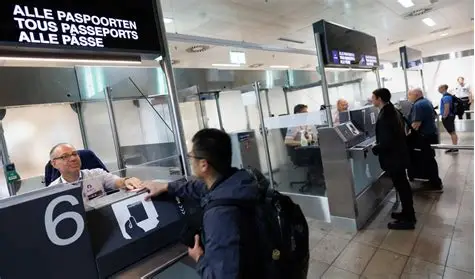
Nine European Union member states have secured further delays in the rollout of the Entry/Exit System for external border management.
Popular tourist destinations including France and Greece cited readiness problems at high-volume airports and seaports.
The system is designed to register travellers from outside the Schengen area electronically, replacing manual passport stamping.
Technical and staffing shortfalls have repeatedly pushed the start date.
National border forces argue that incomplete infrastructure risks long queues and operational failure during peak seasons.
Brussels officials express frustration at the cumulative slippage, yet recognise the political difficulty of imposing a hard deadline on unwilling capitals.
EES Delay Raises Border and Tourism Concerns
Aviation and tourism industry groups have lobbied quietly for realistic timelines, warning that chaotic implementation would damage Europe’s reputation as a seamless destination.
The delay keeps older manual processes in place longer than originally planned, creating a patchwork of controls across different external borders.
Internal security advocates counter that every postponement leaves gaps in the data needed for migration and security analysis.
The compromise reflects the persistent tension between ambitious digital border projects and the practical capacity of frontline member states.
Further technical assessments are expected before a revised common schedule is agreed.
For travellers, border operators and European authorities, the next stage will be closely watched as governments attempt to balance the security ambitions of the EES with the practical demands of implementing a major digital border system across busy European entry points.