Nigel Martyn Biography 2026: Age, Wife, Career, Net Worth, Leeds, Everton, Crystal Palace and England Cricket Return
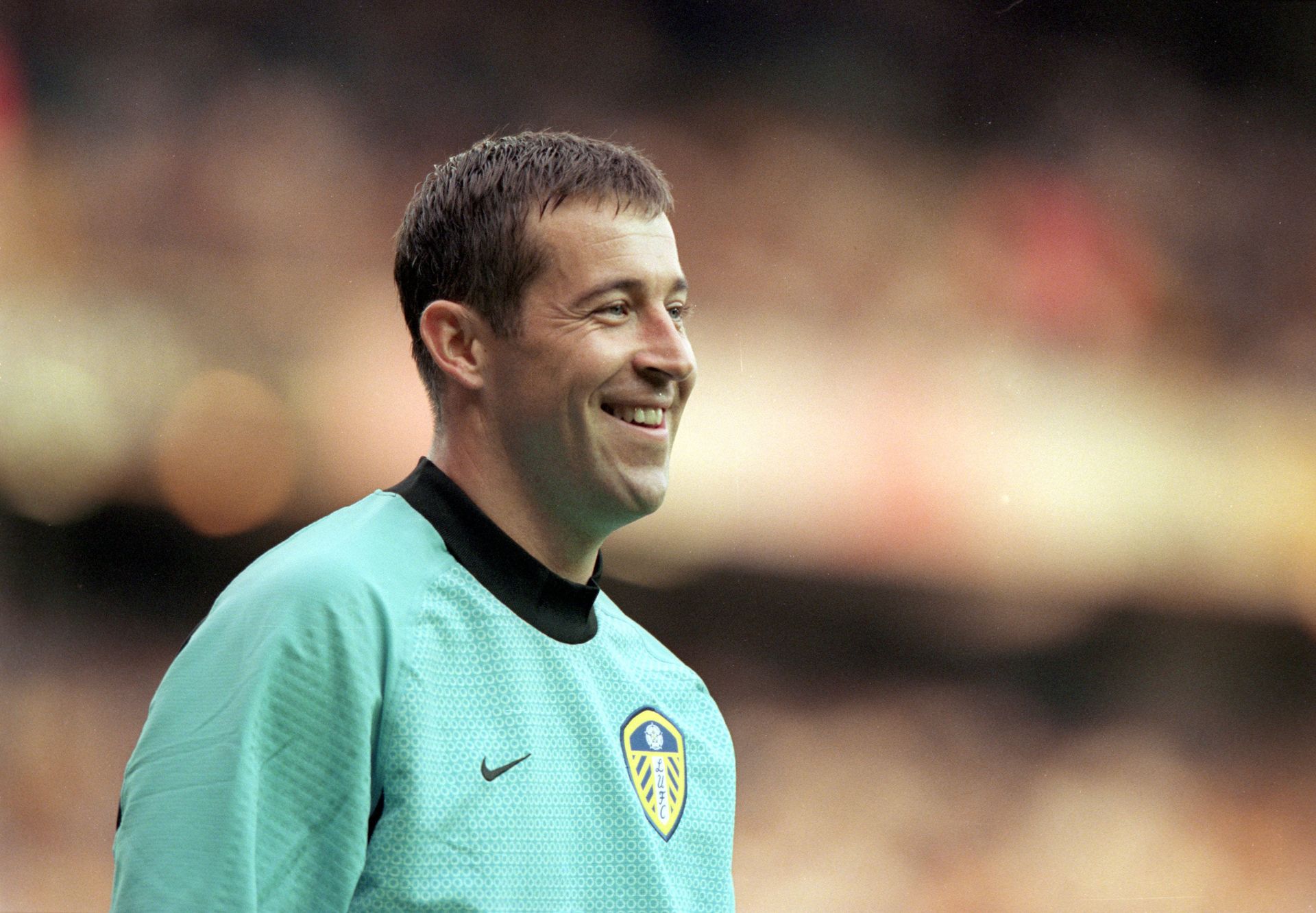
When football fans discuss the greatest English goalkeepers of the Premier League era, names like David Seaman, Peter Shilton, and Joe Hart usually dominate the conversation. Yet many longtime supporters still believe Nigel Martyn deserves far more recognition than he often receives.
Calm under pressure, incredibly reliable, and respected everywhere he played, Martyn quietly built one of the most consistent goalkeeping careers English football has ever seen. From humble beginnings in Cornwall to becoming Britain’s first £1 million goalkeeper, his story remains one of hard work, patience, loyalty, and professionalism.
Now, almost two decades after retiring from football, the former Crystal Palace F.C., Leeds United F.C., and Everton F.C. star is making headlines again in 2026 after receiving attention for his return to competitive cricket with England’s senior setup as a wicket-keeper.
For many fans, it is a beautiful full-circle moment for a man whose first sporting love was actually cricket long before football made him famous.
Quick Facts About Nigel Martyn
| Fact | Details |
|---|---|
| Full Name | Antony Nigel Martyn |
| Popular Name | Big Nige |
| Date of Birth | 11 August 1966 |
| Age (2026) | 59 years old |
| Birthplace | St Austell |
| Nationality | English |
| Height | 6 ft 2 in (1.88m) |
| Football Position | Goalkeeper |
| Cricket Position | Wicket-keeper |
| Football Career | 1987–2006 |
| Clubs Played For | Bristol Rovers, Crystal Palace, Leeds United, Everton |
| England Caps | 23 |
| Wife | Amanda |
| Children | Thomas and Fay |
| Net Worth | Estimated comfortable millionaire status from football career |
| Current Focus | Cricket, family life, occasional football appearances |
Early Life and Cornwall Background
Nigel Martyn was born Antony Nigel Martyn on 11 August 1966 in St Austell. Unlike many modern football stars who entered elite academies at very young ages, Martyn came from a normal working-class background far away from the glamour of top-flight football.
Growing up in Cornwall shaped much of his personality. He developed a grounded and hardworking attitude that stayed with him throughout his career. Long before Premier League money arrived, Martyn worked ordinary jobs including shifts in a plastics factory and work for a coal merchant while playing non-league football locally.
Football was important to him, but cricket also played a huge role in his early life. He represented Cornwall Schoolboys in cricket and developed strong wicket-keeping skills from a young age. Interestingly, he originally played outfield football before eventually switching to goalkeeper around his teenage years.
He supported Plymouth Argyle F.C. while growing up and spent years playing local football for teams including Heavy Transport FC, Bugle, and St Blazey.
One of the most famous stories from his early life remains the unusual way he was discovered. A Bristol Rovers tea lady named Vi Harris reportedly noticed his talent while watching local football during a holiday in Cornwall. That recommendation eventually changed Martyn’s life forever.
Nigel Martyn’s Professional Football Breakthrough
In 1987, Martyn officially turned professional with Bristol Rovers F.C..
At the time, English football was very different from the billionaire-driven game fans know today. Young players had to prove themselves through consistency and resilience, especially goalkeepers. Martyn adapted quickly and soon became one of the most highly rated keepers outside the top division.
His performances stood out because of his positioning, handling, reflexes, and calmness. He was never overly dramatic. Instead, he made difficult saves look simple.
During his time with Bristol Rovers, he made over 100 league appearances and won the club’s Player of the Year award in 1989. Bigger clubs immediately started paying attention.
The Historic £1 Million Crystal Palace Transfer
Everything changed in 1989 when Crystal Palace F.C. signed Martyn for £1 million.
That transfer made him Britain’s first-ever £1 million goalkeeper, a massive moment in English football history. At the time, many people questioned whether any goalkeeper could truly be worth such a huge amount of money.
Martyn answered those doubts with performances.
At Crystal Palace, he became one of the best goalkeepers in England and helped the club enjoy one of the greatest periods in its history. Under manager Steve Coppell, Palace developed into an exciting and respected side.
Martyn played a major role during the club’s famous run to the 1990 FA Cup Final against Manchester United F.C.. The final became one of the most memorable cup finals ever played. Palace drew the first match 3-3 before losing the replay.
Despite the heartbreak, Martyn’s reputation continued rising.
He later helped Palace win the Full Members’ Cup in 1991 and played a key role as the club won promotion back to the top division in the 1993–94 season.
By the time he left, Palace supporters already considered him one of the greatest goalkeepers in club history. Years later, fans voted him into the club’s Centenary XI.
Leeds United Years and European Nights
In 1996, Leeds United F.C. signed Martyn for around £2.25 million.
For many supporters, this became the peak period of his career.
Leeds were building an exciting squad capable of competing in Europe, and Martyn became one of the team’s most trusted players. His consistency gave the side stability during intense Premier League and European campaigns.
He produced outstanding performances against major clubs including FC Barcelona and S.S. Lazio during Champions League and UEFA Cup matches.
Leeds fans especially appreciated his leadership and reliability. Even during difficult matches, Martyn rarely panicked. His composure made defenders around him more confident.
Over time, supporters voted him among the greatest goalkeepers the club had ever seen.
Some football fans still believe his performances during the late 1990s and early 2000s deserved far more national recognition than they received.
England Career and International Football
Martyn’s club form eventually earned him opportunities with the England national football team.
Although much of his international career was spent competing with David Seaman, Martyn still managed to earn 23 England caps between 1992 and 2002.
He represented England during major tournaments including:
- 1998 FIFA World Cup
- UEFA Euro 2000
- 2002 FIFA World Cup
One of his most memorable England moments came in 2001 when he saved a penalty against Spain national football team.
Even though he was often seen as Seaman’s deputy, many fans believed Martyn could easily have been England’s first-choice goalkeeper in another generation.
His calm mentality, safe handling, and consistency earned respect throughout the national setup.
Everton Move and Late Career Revival
After tensions developed during the later years at Leeds under Terry Venables, Martyn eventually moved to Everton F.C. in 2003.
Some people believed he was already nearing retirement age and expected his best years to be behind him.
Instead, he produced another excellent spell of football.
Under manager David Moyes, Martyn became one of Everton’s most important players. His experience and leadership helped stabilize the team, and fans quickly grew to love him.
During the 2004–05 season, he played a huge role as Everton secured a remarkable fourth-place Premier League finish and qualified for the Champions League.
Moyes later described him as one of the best signings of his managerial career.
Martyn finally retired in 2006 after an ankle injury ended his playing days. By retirement, he had made 666 club appearances across all competitions.
Nigel Martyn’s Return to Cricket in 2026
One of the biggest reasons Martyn is trending again in 2026 is because of his involvement in cricket.
Long before football fame arrived, cricket had already been a major passion in his life. After retiring from football, he gradually returned to the sport and started playing competitive cricket again.
He became involved with clubs including Knaresborough CC and also represented Cornwall over-50s cricket teams.
In 2026, sports fans reacted warmly after news emerged about his call-up involving England’s senior cricket setup for over-60s competition, where he serves as a wicket-keeper.
The story attracted attention because very few former elite footballers successfully compete in another sport decades after retirement.
For many supporters, it perfectly reflects Martyn’s lifelong love for cricket and his impressive athletic longevity.
Nigel Martyn Net Worth and Financial Life
Unlike many modern football stars who dominate headlines with luxury lifestyles and billion-dollar endorsements, Nigel Martyn has always lived more privately.
His exact net worth has never been publicly confirmed in detail. However, after long spells in the Premier League with clubs like Crystal Palace, Leeds United, and Everton, he is believed to have earned a strong and comfortable fortune from football contracts, bonuses, and appearances.
Because he played before modern Premier League salaries exploded into extreme levels, his earnings were far smaller than those of current elite goalkeepers.
Still, Martyn enjoyed a highly successful professional career over nearly two decades and remains financially comfortable in retirement.
He has never been heavily associated with flashy endorsements, celebrity branding, or controversial business ventures.
Nigel Martyn’s Wife and Family Life
One of the most admirable parts of Martyn’s story is the stability of his family life.
He has been married to Amanda since 1987, long before he became nationally famous. Their relationship survived the pressures of professional football, transfers, media attention, and public life.
The couple has two children, Thomas and Fay.
His son Thomas later developed a career as an opera singer, showing that talent runs strongly in the family even outside sports.
Martyn has previously spoken emotionally about family moments during his football career, including returning home during the 1998 World Cup period for the birth of his daughter.
Unlike many celebrities, he largely kept his private life away from constant media drama.
Personality, Lifestyle and Reputation
Throughout his career, Martyn built a reputation as one of football’s genuine professionals.
He avoided scandals, major controversies, and unnecessary media attention. Teammates regularly described him as calm, humble, hardworking, and dependable.
Even after becoming Britain’s first £1 million goalkeeper, he never developed the flashy public image many stars adopt today.
His lifestyle has remained relatively quiet and family-focused. He enjoys cricket, football nostalgia, and time with loved ones while maintaining a strong connection to Cornwall and northern England.
That humility is one major reason older football fans continue respecting him deeply today.
Nigel Martyn’s Greatest Achievements
Over the course of his career, Martyn achieved several major milestones:
- First £1 million goalkeeper in British football history
- Over 600 professional club appearances
- 23 caps for England
- FA Cup finalist with Crystal Palace
- Full Members’ Cup winner
- Promotion winner with Crystal Palace
- Major European campaigns with Leeds United
- Top-four Premier League finish with Everton
- Multiple Player of the Year recognitions
- Regarded among the greatest goalkeepers in Leeds and Palace history
His legacy remains especially strong among supporters who watched football during the 1990s and early 2000s.
Hidden Facts About Nigel Martyn
Several lesser-known facts about Martyn continue fascinating fans:
- Cricket was arguably his first sporting passion before football
- He originally played as an outfield footballer
- A tea lady reportedly helped discover him for Bristol Rovers
- He worked factory jobs before turning professional
- His son became an opera singer
- He later played cricket alongside former England goalkeeper Paul Robinson
- Fans still debate whether he was one of England’s most underrated goalkeepers ever
Nigel Martyn Social Media Presence
Martyn keeps a relatively low online profile compared to modern football personalities.
He is active mainly on X/Twitter under the handle:
- @nmartyn25
His posts usually focus on football memories, cricket updates, and interactions with longtime fans.
Unlike many retired athletes, he avoids excessive online attention and maintains a simple digital presence.
Why Nigel Martyn Still Matters in 2026
Football changes constantly. New stars emerge every season, and social media often pushes older legends into the background.
Yet players like Nigel Martyn remain important because they represent professionalism, consistency, and loyalty during a very different football era.
He may not always receive the same mainstream attention as some bigger names, but supporters of Crystal Palace, Leeds United, Everton, and England still remember the calm goalkeeper who delivered year after year without noise or drama.
Now, with his remarkable return to cricket making headlines in 2026, a new generation of sports fans is discovering the story of one of English sport’s most underrated figures.
Frequently Asked Questions About Nigel Martyn
How old is Nigel Martyn in 2026?
Nigel Martyn is 59 years old in 2026. He was born on 11 August 1966.
What is Nigel Martyn’s real name?
His full name is Antony Nigel Martyn.
Which clubs did Nigel Martyn play for?
He played for:
- Bristol Rovers F.C.
- Crystal Palace F.C.
- Leeds United F.C.
- Everton F.C.
Was Nigel Martyn England’s first-choice goalkeeper?
Most of his England career was spent competing with David Seaman, though many fans believed he was good enough to start regularly.
Is Nigel Martyn married?
Yes. He has been married to Amanda since 1987.
What is Nigel Martyn doing now?
He remains involved in cricket and has gained attention in 2026 for England senior cricket involvement as a wicket-keeper.
Why is Nigel Martyn famous?
He became Britain’s first £1 million goalkeeper and enjoyed a highly respected career with Crystal Palace, Leeds United, Everton, and England.