
Dele Farotimi Biography 2026: Age, Real Name, Books, Wife, Arrest, Net Worth and Activism
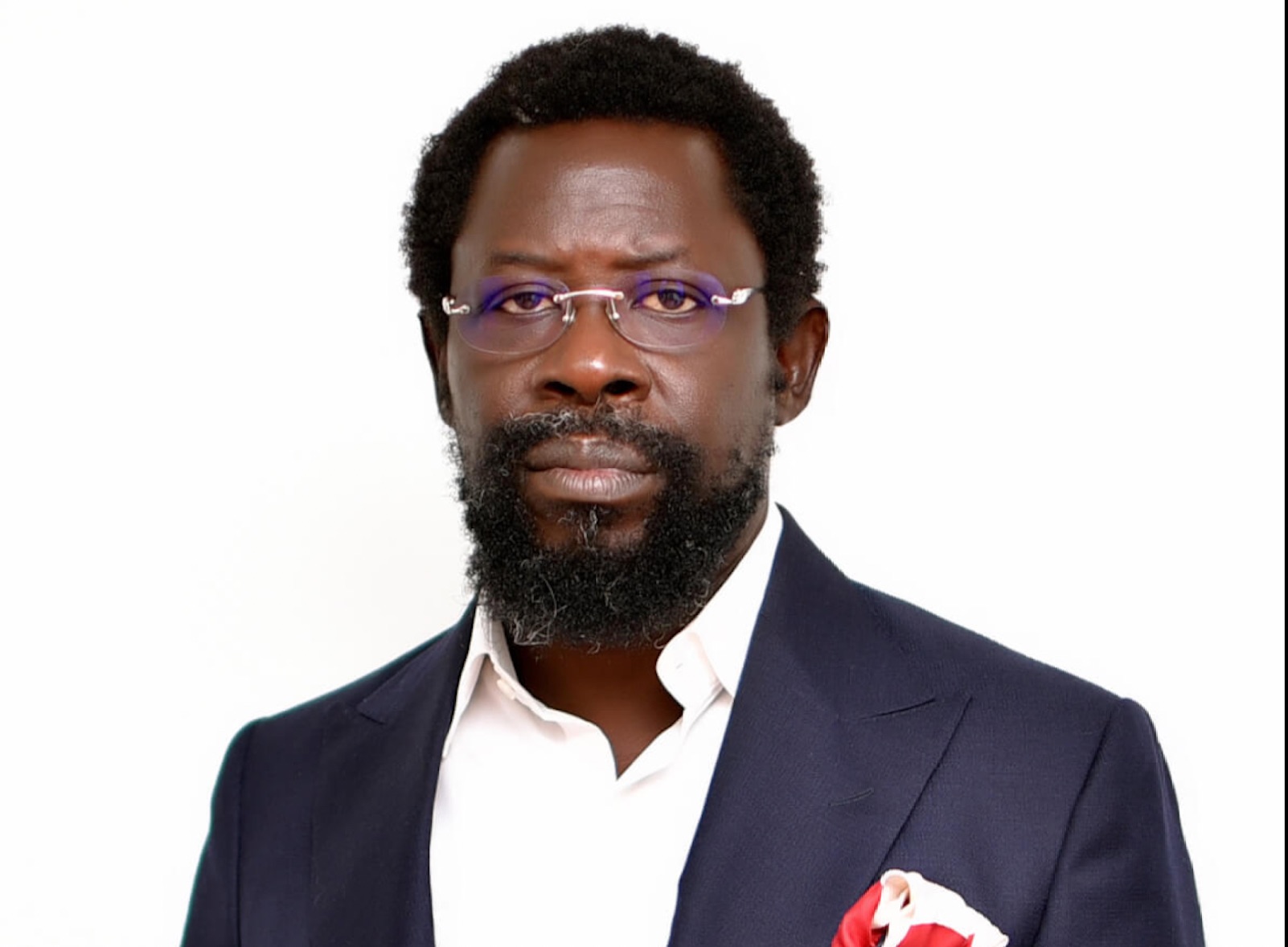
In Nigeria’s political and activist space, very few voices trigger reactions the way Dele Farotimi does. Some Nigerians see him as one of the boldest truth-tellers in modern political commentary, while others believe his style is too confrontational for a country already drowning in tension.
The retired lawyer, author, public speaker, and activist built his reputation by challenging powerful institutions, criticizing elite control of the Nigerian system, and demanding structural reform. Unlike many public figures who soften their opinions to protect political relationships, Farotimi built his image around saying uncomfortable truths directly, even when it comes with consequences.
His rise became even bigger after the controversial events surrounding his 2024 book, Nigeria and Its Criminal Justice System, which sparked nationwide debates, legal battles, and the viral #FreeDeleFarotimi movement. From courtrooms to livestreams, political campaigns to revolutionary books, Dele Farotimi has remained one of the loudest voices calling for what he describes as “a complete reset” of Nigeria’s governance structure.
As of 2026, he continues to dominate conversations around politics, elections, corruption, judicial accountability, and the future of Nigeria ahead of the 2027 election cycle.
Dele Farotimi Quick Facts
| Attribute | Details |
|---|---|
| Full Name | Oladele Farotimi |
| Date of Birth | April 27, 1968 |
| Age (2026) | 58 years old |
| Place of Birth | Ibadan, Oyo State |
| State of Origin | Osun State |
| Nationality | Nigerian |
| Tribe | Yoruba |
| Religion | Christianity |
| Education | Lagos State University (LASU) |
| Profession | Retired Lawyer, Author, Activist, Political Commentator |
| Years Active | 1999–present |
| Political Affiliation | Labour Party |
| Marital Status | Married |
| Wife | Funmi Farotimi |
| Children | Yes |
| Known For | Activism, books, political commentary |
| Notable Books | Do Not Die In Their War, Imperatives Of The Nigerian Revolution, Nigeria and Its Criminal Justice System |
| Organization | Citizen’s Rally Against Oppression (RAMINBA) |
| Estimated Net Worth | $1.5 million – $3.1 million |
Early Life and Background
Oladele Farotimi was born on April 27, 1968, in Ibadan, Oyo State, although his family roots trace back to Imesi-Ile in Osun State. He grew up during one of Nigeria’s most politically unstable periods, a time marked by military governments, economic uncertainty, political oppression, and widening inequality.
Those harsh realities shaped much of his worldview later in life. Many people who followed his activism closely believe his deep frustration with the Nigerian system came from watching decades of failed leadership, institutional collapse, and the suffering of ordinary citizens.
Farotimi attended Fiditi Grammar School for his secondary education before proceeding to Lagos State University (LASU), where he studied Law. His university years played a major role in shaping his identity as an activist and public intellectual.
Unlike students who stayed away from campus politics, Farotimi became deeply involved in student leadership. He eventually emerged as President of the LASU Students’ Union between 1994 and 1995, a role that exposed him to power struggles, political organization, and advocacy at an early stage.
Many people who knew him during those years described him as outspoken, fearless, highly ideological, and willing to challenge authority openly. Those traits would later become central to his public image in national politics and activism.
After completing his legal education, he was officially called to the Nigerian Bar in 1999.
Legal Career Journey
Early Legal Practice
After becoming a lawyer, Dele Farotimi began his professional journey working in legal practice. He reportedly worked with firms including Adesina Ogunlana & Co, where he handled litigation, negotiations, corporate matters, infrastructure-related issues, and human rights cases.
Over time, he developed a reputation as a sharp legal mind who was deeply passionate about justice and institutional accountability. Colleagues often described him as someone who approached legal work with both intensity and conviction.
In 2002, he founded his own law firm, Dele Farotimi & Co, later known as DF Legal. The firm handled various high-level legal matters and corporate negotiations, helping him build financial stability and professional influence within the Nigerian legal sector.
For years, Farotimi remained active in legal practice while simultaneously engaging in civic advocacy and political discussions.

Retirement from Law
One of the most surprising decisions in his life came in 2018 when he officially retired from active legal practice at the age of 50.
For many Nigerians, leaving a successful legal career at that age made little sense financially. But Farotimi explained that he wanted to dedicate the next phase of his life fully to nation-building, public advocacy, political education, and revolutionary discourse.
That decision changed everything.
Instead of fading quietly after retirement, he became even more influential nationally. His interviews, speeches, livestreams, and writings started attracting a wider audience, especially among Nigerian youths frustrated with governance and corruption.
Rise as an Activist and Political Voice
Following his retirement from legal practice, Dele Farotimi became one of the most vocal critics of the Nigerian political structure.
His activism focused heavily on:
- Judicial corruption
- Elite capture of institutions
- Electoral integrity
- Constitutional reform
- Oppression by political power structures
- Economic inequality
- Citizen awakening
He also became associated with Citizen’s Rally Against Oppression, popularly known as RAMINBA, a movement pushing for systemic reforms and accountability.
Farotimi’s communication style quickly stood out. Unlike politicians who speak diplomatically, he became known for blunt, emotionally charged commentary filled with historical references, political analysis, and direct attacks on institutional failure.
Many young Nigerians connected with his speeches because they felt he expressed frustrations they already carried privately.
Others, however, accused him of promoting excessive anger toward the political class and fueling distrust in institutions.
Regardless of public opinion, his influence continued to grow rapidly.
Labour Party Role and 2023 Elections
Dele Farotimi became even more visible nationally during the 2023 Nigerian elections when he served as a spokesperson for the Labour Party movement.
During that election cycle, the Labour Party attracted millions of young Nigerians who wanted political change. The movement, widely connected with the “Obidient” wave, became one of the biggest political shifts in recent Nigerian history.
Farotimi emerged as one of the movement’s strongest public defenders online and offline.
He appeared regularly in interviews, podcasts, livestreams, political debates, and public discussions where he defended electoral transparency, criticized the establishment, and encouraged Nigerians to remain politically conscious.
His speeches during that period gained massive traction across social media platforms, especially X (formerly Twitter), YouTube, Facebook, and Instagram.
Even after the elections ended, he remained heavily involved in political commentary surrounding governance, election credibility, and institutional accountability.
Dele Farotimi Books
One of the biggest reasons Dele Farotimi commands strong intellectual influence is because of his books. Unlike many commentators who rely only on social media opinions, he documents his political ideas extensively through writing.
His books are often direct, emotionally intense, and heavily focused on revolution, systemic failure, and national restructuring.
Do Not Die In Their War (2021)
This book became one of his most talked-about publications. In it, Farotimi warned ordinary Nigerians against sacrificing themselves for elite political battles and ethnic manipulation.
The book examined how political leaders often exploit tribal, religious, and regional divisions while ordinary citizens suffer the consequences.
Many readers praised the book for its boldness and clarity.
Imperatives Of The Nigerian Revolution (2021)
This publication focused more aggressively on systemic change and national transformation.
Farotimi argued that Nigeria’s problems were deeply rooted in structural issues that could not be solved through surface-level reforms alone.
The book positioned him even more strongly as a revolutionary thinker rather than a conventional political commentator.
Nigeria and Its Criminal Justice System (2024)
This became the most controversial book of his career.
The publication sharply criticized aspects of Nigeria’s judicial structure and reportedly contained allegations involving influential legal figures and institutional corruption.
Shortly after the book gained traction, it triggered one of the biggest legal controversies involving an activist in recent Nigerian history.
Ironically, the controversy pushed the book to massive popularity, with reports indicating that it experienced a major sales surge and even trended on online marketplaces during the public backlash.
The Afe Babalola Controversy and Arrest
The defining controversy of Dele Farotimi’s public career erupted in late 2024 following the release of Nigeria and Its Criminal Justice System.
The book reportedly contained statements that led to criminal defamation allegations involving respected senior lawyer and legal icon Aare Afe Babalola.
The situation escalated rapidly.
Farotimi was arrested in Lagos and taken to Ekiti State for legal proceedings. News of the arrest spread across Nigerian social media almost immediately, triggering intense debates about freedom of speech, judicial power, activism, and the limits of public criticism.
Very quickly, the hashtag #FreeDeleFarotimi began trending.
Activists, political commentators, lawyers, and public figures joined the conversation. Some believed the case represented an attack on free expression, while others argued that public figures must still remain accountable for allegations and published claims.
Reports surrounding the case mentioned strict bail conditions and a high-profile legal process that kept the story dominating headlines for weeks.
The controversy also increased public attention around Farotimi’s books, speeches, and political ideas. For many supporters, he became a symbol of resistance against institutional intimidation.
The matter reportedly witnessed interventions from respected traditional leaders and public stakeholders before tensions reduced significantly in 2025.
Even after the immediate legal drama cooled down, the incident permanently transformed his public image and elevated his visibility nationally and internationally.
Dele Farotimi Net Worth 2026
As of 2026, Dele Farotimi’s estimated net worth is believed to range between $1.5 million and $3.1 million.
Although he is not known for displaying luxury lifestyles publicly, his earnings reportedly come from several major sources.
Sources of Income
Legal Career
Before retiring from law, Farotimi spent nearly two decades in legal practice handling corporate negotiations, litigation, and high-level legal matters.
Book Sales
His books, especially Nigeria and Its Criminal Justice System, generated significant attention and reportedly experienced major sales boosts during the controversy period.
Public Speaking and Advocacy
Farotimi is frequently invited to conferences, interviews, policy discussions, activist events, and political forums.
Media and Content Platforms
His social media presence, YouTube content, and public commentary also contribute to his visibility and earning potential.
Investments
Although private about his finances, many observers believe he likely has investments connected to property and long-term assets accumulated during his legal career.
Lifestyle
Unlike celebrities who constantly display wealth online, Dele Farotimi maintains a relatively modest public lifestyle.
His public appearances focus more on ideas, governance, activism, political discussions, and intellectual engagement than luxury fashion or expensive displays.
He is known more for books, interviews, debates, livestreams, and political analysis than material showmanship.
People close to his movement often describe him as someone deeply committed to ideology, civic reform, and national consciousness rather than social media luxury culture.
At different times, he has reportedly spent periods outside Nigeria, including in the United States, partly connected to family considerations and security concerns.
Wife, Marriage and Family Life
Dele Farotimi is married to Funmi Farotimi.
Despite his public visibility, he keeps most details about his family away from the media. His children are rarely seen publicly, and very little verified information exists about their private lives.
Farotimi has occasionally spoken about family responsibilities and the sacrifices that come with activism. According to him, his wife understood his ideological path and public mission before marriage.
People who follow him closely often note that he deliberately separates his activism from family exposure, likely for privacy and security reasons.
Social Media Presence
Dele Farotimi built a strong digital audience through political commentary, livestreams, interviews, and public education content.
As of mid-2026, his online platforms continue to grow steadily.
His Instagram page features political opinions, social commentary, interviews, and personal updates.
Estimated followers: Over 222,000.
X (Twitter)
His X account remains one of his strongest platforms for real-time political reactions and commentary.
Estimated followers: Over 365,000.
YouTube
His YouTube presence continues growing through long-form political discussions, interviews, citizen education sessions, and revolutionary commentary.
He also maintains active engagement on Facebook, where supporters regularly share clips, speeches, and commentary content.
Political Views and Ideology
Farotimi’s political ideology revolves heavily around systemic transformation.
He repeatedly argues that Nigeria’s problems are not isolated incidents caused by individual politicians alone, but symptoms of a deeply broken structure.
Some recurring themes in his speeches include:
- Constitutional restructuring
- Judicial accountability
- Electoral transparency
- Citizen resistance against oppression
- Political consciousness
- Ending elite domination
- Building a fairer Nigerian system
His critics sometimes accuse him of sounding too radical, while supporters believe his bluntness reflects the seriousness of Nigeria’s crisis.
Awards and Achievements
Although Dele Farotimi is not known for entertainment awards or celebrity honors, his influence in civic advocacy and political discourse remains significant.
Some of his major achievements include:
- Serving as LASU Students’ Union President
- Building a successful legal career before retirement
- Publishing nationally influential books
- Becoming a major voice during the 2023 elections
- Leading conversations around judicial accountability
- Inspiring political engagement among younger Nigerians
- Building one of Nigeria’s strongest activist-driven political audiences online
Lesser-Known Facts About Dele Farotimi
- He retired from active legal practice at age 50.
- He became nationally popular mainly after leaving law practice.
- He is highly passionate about constitutional reform.
- Many supporters admire his consistency between private and public beliefs.
- His speeches often combine history, storytelling, law, and politics.
- He intentionally keeps his children away from public attention.
- His 2024 controversy significantly boosted his national visibility.
- He is considered one of the most outspoken political commentators in modern Nigeria.
Recent News and 2026 Updates
As of 2026, Dele Farotimi remains highly active in political commentary and citizen advocacy.
He continues appearing in interviews, podcasts, livestream discussions, and social media broadcasts where he discusses governance, corruption, elections, and national reform.
Ahead of the 2027 elections, he has repeatedly warned Nigerians against expecting major transformation without deeper systemic restructuring.
His commentary continues attracting both admiration and criticism, but his influence within activist and politically conscious communities remains very strong.
Many Nigerians now see him as one of the country’s most recognizable anti-establishment voices.
Frequently Asked Questions
How old is Dele Farotimi in 2026?
Dele Farotimi is 58 years old as of 2026.
What is Dele Farotimi’s real name?
His full real name is Oladele Farotimi.
Which state is Dele Farotimi from?
He is from Imesi-Ile in Osun State, although he was born in Ibadan, Oyo State.
Is Dele Farotimi married?
Yes, he is married to Funmi Farotimi.
Does Dele Farotimi have children?
Yes, he has children, although he keeps family details private.
Why was Dele Farotimi arrested?
He was arrested following criminal defamation allegations connected to his 2024 book Nigeria and Its Criminal Justice System.
What are Dele Farotimi’s most popular books?
His most popular books include:
- Do Not Die In Their War
- Imperatives Of The Nigerian Revolution
- Nigeria and Its Criminal Justice System
What is Dele Farotimi’s net worth?
His estimated net worth ranges between $1.5 million and $3.1 million.
Final Thoughts
Dele Farotimi has built a reputation as one of Nigeria’s most fearless activist voices. From student leadership at LASU to legal practice, revolutionary writing, political campaigns, and courtroom controversies, his journey reflects decades of confrontation with systems he believes have failed ordinary Nigerians.
Supporters see him as a courageous patriot willing to risk comfort and safety to challenge injustice. Critics view him as too confrontational and politically aggressive. But even his critics rarely deny his influence.
In an era where many public figures avoid difficult conversations, Farotimi continues pushing uncomfortable debates about governance, judicial integrity, corruption, and the future of Nigeria.
As Nigeria moves closer to another critical election cycle, his voice is expected to remain one of the loudest in conversations about change, accountability, and national direction.