
K1 De Ultimate (Wasiu Ayinde Marshal) Biography 2026: Age, Real Name, State of Origin, Net Worth, Songs, Wife, Cars & Latest Updates
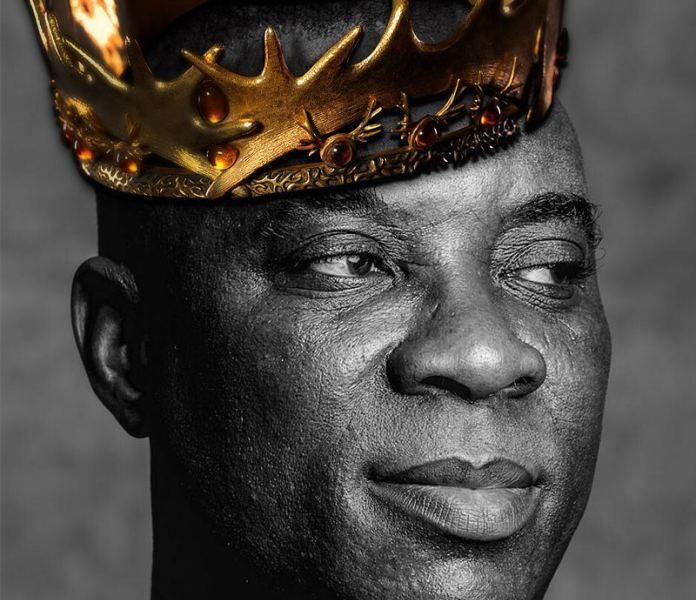
Few names in Nigerian music history carry the kind of respect, fear, influence, and cultural weight attached to K1 De Ultimate. Popularly known as KWAM1, the Fuji icon has spent over four decades dominating stages, shaping Yoruba entertainment culture, mentoring younger acts, and proving that Fuji music is far bigger than many people once imagined.
From the crowded streets of Agarawu on Lagos Island to becoming the Mayegun of Yorubaland, Wasiu Ayinde Marshal built a music empire through consistency, innovation, discipline, controversy, and raw stage power. Even in 2026, at 69 years old, K1 remains one of the most booked indigenous performers in Nigeria, especially among elites, politicians, kings, and wealthy social circles.
His influence cuts across generations. Older Fuji lovers respect him for preserving the roots of the genre, while younger audiences admire the way he modernized Fuji and gave it global attention. His music, fashion, titles, wealth, and dramatic public moments continue to keep him in headlines year after year.
Quick Facts About K1 De Ultimate
| Attribute | Details |
|---|---|
| Full Name | Wasiu Omogbolahan Olasunkanmi Adewale Ayinde Marshal |
| Popular Names | K1 De Ultimate, KWAM1, King Wasiu Ayinde Marshal |
| Date of Birth | March 3, 1957 |
| Age (2026) | 69 Years Old |
| Place of Birth | Agarawu, Lagos Island |
| State of Origin | Ogun State (Ijebu Ode) |
| Tribe | Yoruba |
| Nationality | Nigerian |
| Profession | Fuji Musician, Performer, Entertainer |
| Genre | Fuji Music |
| Active Years | Late 1970s – Present |
| Marital Status | Married |
| Children | Reportedly many children from different relationships |
| Net Worth | Estimated between ₦800 million and several billions |
| Known For | Talazo Fuji, Fuji modernization, live performances |
| Major Title | Mayegun of Yorubaland |
Early Life and Background
Wasiu Ayinde Marshal was born on March 3, 1957, in Agarawu, Lagos Island, an area deeply connected to traditional Yoruba and Islamic culture. His upbringing played a massive role in shaping both his personality and musical direction later in life.
His father was from Ijebu Ode in Ogun State, while his mother reportedly had roots linked to the Ilupeju area with Ondo and Ekiti connections often mentioned in various reports. Growing up in Lagos Island exposed him to street survival, local culture, Islamic traditions, and indigenous music from an early age.
Like many Fuji legends, K1’s musical journey started with Were music, the traditional Islamic music performed during Ramadan periods to wake Muslims before dawn meals. Even as a child, he showed unusual confidence and vocal ability.
People around him reportedly noticed his passion for entertainment very early. While other children focused on regular childhood activities, Wasiu Ayinde was already drawn toward drumming, singing, stage gatherings, and public performances.
He attended Jamatu Islamiya Standard School and reportedly passed his common entrance examinations in 1967. At one point, he dreamed of becoming a lawyer, but music eventually consumed his life completely.
His parents were initially uncomfortable with the idea of him pursuing entertainment fully because music was not viewed as a stable profession at the time. But his determination kept growing stronger.
By his late teenage years, he had already started moving deeply into the Fuji scene.
How K1 Entered Fuji Music
Before becoming K1 De Ultimate, Wasiu Ayinde reportedly worked closely around the legendary Fuji pioneer, the late Sikiru Ayinde Barrister, who many consider the founder of modern Fuji music.
K1 started from humble beginnings. Reports over the years revealed that he first worked around instruments and logistics before eventually performing actively. That period became extremely important because it exposed him to stage management, band organization, crowd control, instrumentation, praise singing, and performance structure.
He later became associated with Ayinde Barrister’s Supreme Fuji Commanders, where he learned directly from one of the greatest indigenous musicians Nigeria ever produced.
Those years shaped his confidence and understanding of Fuji business strategy.
Rather than copying Barrister completely, K1 gradually developed his own identity. He understood that Fuji needed modernization if it wanted to compete with bigger mainstream genres.
That realization changed everything.
The Birth of Talazo Fuji
One of the biggest turning points in K1’s career came with the introduction of the Talazo style.
When K1 released “Talazo ’84,” the sound exploded massively across southwestern Nigeria. The project introduced a fresher, more energetic style of Fuji music that appealed to both old listeners and younger audiences.
The Talazo movement became more than music. It became a cultural wave.
K1 started blending traditional Fuji with keyboards, saxophones, guitars, modern drums, and faster rhythmic arrangements. That innovation helped push Fuji beyond local party circles into wider mainstream entertainment.
At a time when some people looked down on indigenous music, K1 was already turning Fuji into premium stage entertainment.
His confidence, fashion sense, crowd engagement, and vocal delivery made him stand out immediately.
Soon, KWAM1 became one of the hottest names in Nigeria.
Rise to National and International Fame
By the late 1980s and 1990s, K1 De Ultimate had fully transformed into a national superstar.
His concerts started attracting politicians, businessmen, kings, celebrities, and wealthy families. He became famous for high-energy live performances that could last for hours without losing intensity.
Unlike many artists who depended heavily on studio recordings, K1 built his reputation mainly through live stage dominance.
His international expansion also started during this era.
He performed in London, New York, and several cities across Europe and North America. One major career milestone came when he performed at the WOMAD Festival in 1995, helping introduce Fuji music to wider international audiences.
That period elevated his status globally.
He became one of the strongest cultural ambassadors for Yoruba indigenous music outside Nigeria.
K1 De Ultimate’s Musical Style
K1’s music combines several elements together:
- Traditional Fuji percussion
- Yoruba praise poetry
- Islamic influences
- Highlife inspiration
- Dance rhythms
- Contemporary instrumentation
- Social commentary
- Party entertainment
One thing that separates K1 from many Fuji artists is his ability to balance elite sophistication with street authenticity.
His songs can be deeply cultural while still sounding luxurious and modern.
Another major strength is his spontaneous stage delivery. Many fans admire how he can perform continuously for long periods while creatively praising guests, improvising lyrics, and controlling crowd energy.
That skill helped him dominate live events for decades.
Most Popular K1 De Ultimate Albums and Songs
K1 has released countless albums throughout his career, making his discography one of the largest in Fuji music history.
Some of his most recognized projects include:
Talazo ’84
This was the breakthrough project that changed Fuji music permanently and established the Talazo identity.
American Tips
One of his major successful projects during his rise to elite mainstream fame.
Consolidation
A widely respected album that further strengthened his dominance.
Jo Fun Mi
A project many Fuji fans still consider among his strongest releases.
Timeless (2023)
An important modern-era release showing that K1 could still adapt and remain relevant decades into his career.
Appreciation (2025)
One of his more recent projects tied to ongoing live performances and appreciation themes.
Beyond albums, K1 is also famous for live performance recordings, party sessions, praise music, and event-based releases that circulate heavily among loyal Fuji fans.

K1 De Ultimate and Fuji Music Legacy
It is almost impossible to discuss Fuji history without mentioning K1 De Ultimate.
While Sikiru Ayinde Barrister pioneered Fuji, many people believe K1 expanded the genre commercially and socially.
He made Fuji aspirational.
He introduced class, branding, luxury presentation, and international exposure into Fuji entertainment at a level rarely seen before.
Several younger Fuji musicians openly acknowledge his influence.
Even artists outside Fuji respect his consistency and business longevity.
His success also helped preserve Yoruba indigenous music during periods when foreign-influenced sounds heavily dominated Nigerian entertainment.
Awards, Titles and Achievements
K1 De Ultimate has received numerous awards, honors, and traditional titles throughout his career.
Some of the biggest include:
Mayegun of Yorubaland
In 2020, the late Alaafin of Oyo installed him as the first-ever Mayegun of Yorubaland, a title carrying enormous cultural significance.
Member of the Order of the Niger (MON)
He received the national honor in 2022.
Headies Hall of Fame
K1 was honored for his immense contribution to Nigerian music.
Multiple Chieftaincy Titles
Over the years, different Yoruba communities and royal institutions have honored him with traditional titles.
International Cultural Recognition
His global performances helped position Fuji music internationally.
These achievements cemented his place among the most respected indigenous musicians in Nigerian history.
K1 De Ultimate Net Worth in 2026
K1 De Ultimate remains one of the richest Fuji musicians ever.
Different reports estimate his net worth differently, with figures ranging from hundreds of millions to several billions of naira.
His wealth comes from multiple income streams:
- High-paying live performances
- Album sales
- International tours
- Political and elite event bookings
- Real estate investments
- Business ventures
- Brand influence
- Endorsements
Unlike younger artists who depend heavily on streaming numbers, K1 built wealth through physical performances and long-term relationships with wealthy clients.
For decades, he has remained one of the most expensive indigenous performers for private events in Nigeria.
That consistency helped him maintain financial relevance across generations.
K1 De Ultimate Cars and Luxury Lifestyle
K1 is widely known for his luxurious lifestyle.
Over the years, reports and public appearances have linked him to several expensive vehicles and customized luxury cars.
He is also known for:
- Designer traditional outfits
- Expensive jewelry
- Luxury watches
- Grand event entrances
- Elite social connections
- Lavish celebrations
One major talking point over the years has been his mansion projects, especially properties connected to Ijebu Ode and Lagos.
Some reports also mentioned that one of his homes included exotic animal sections and mini-zoo features.
His lifestyle reflects traditional Yoruba royalty mixed with modern celebrity culture.
Marriage, Wives and Children
K1 De Ultimate’s personal life has always attracted public attention.
He is known to practice polygamy and has reportedly had relationships with multiple women over the years. Various reports claim he has many children, though exact numbers remain inconsistent publicly.
Unlike some celebrities who hide family matters completely, K1 has occasionally acknowledged several of his children openly.
His relationships and marriages have repeatedly generated media discussions, especially on social media.
Recent conversations involved Emmanuella Ropo Adewale-Odebiyi, who publicly addressed rumors concerning her children and family situation in 2026.
Despite occasional controversies and speculation, K1 generally keeps deeper family matters relatively private.
The 2025 ValueJet Controversy
One of K1’s biggest recent controversies happened in 2025 during a ValueJet flight incident in Abuja.
Reports claimed there was a confrontation involving a flask onboard the aircraft. The situation escalated and eventually led to his removal from the flight after tensions reportedly increased.
The incident quickly became a major social media topic.
Some people criticized celebrity entitlement, while others defended him and argued that the situation became exaggerated publicly.
K1 later apologized over the incident.
Despite the controversy, the story did not significantly damage his career. He continued performing actively afterward and maintained strong support among loyal fans.
K1 De Ultimate in 2026
Even at 69, K1 remains active.
He still performs regularly across Lagos, Abuja, Ibadan, Ogun State, and international locations where Yoruba communities gather for celebrations and concerts.
His stage stamina continues to surprise younger audiences.
In recent years, he has also focused more on preserving Yoruba culture and supporting indigenous music growth through initiatives connected to the K1 Marshall Foundation.
His relevance in 2026 proves how deeply rooted his brand has become within Nigerian entertainment culture.
Many younger artists now treat him as both a legend and institution.
Social Media Presence
Although K1 built his fame long before social media existed, he has adapted well to digital platforms.
His official pages regularly share:
- Live performance clips
- Event appearances
- Cultural moments
- Music updates
- Family celebrations
- Traditional title events
His Instagram pages continue attracting strong engagement from Fuji fans worldwide.
Lesser-Known Facts About K1 De Ultimate
Many fans know K1 for fame and wealth, but several interesting details about him are less discussed.
He reportedly started around the Fuji scene handling instruments before fully performing professionally.
He once dreamed of studying Law before music completely took over his life.
He is deeply invested in Yoruba cultural preservation.
His performance endurance remains one of the strongest in Nigerian indigenous music.
He also played a major role in modernizing Fuji instrumentation and presentation.
K1 De Ultimate’s Impact on Nigerian Music
Very few Nigerian musicians have sustained relevance across four decades the way K1 has done.
He survived multiple entertainment eras:
- Vinyl generation
- Cassette era
- CD era
- Digital downloads
- Streaming age
- Social media generation
That level of longevity is extremely rare.
His impact goes beyond Fuji music alone. He helped prove that indigenous African sounds could become luxurious, commercially successful, and internationally respected without losing cultural identity.
That legacy alone secures his place permanently in Nigerian music history.
Frequently Asked Questions About K1 De Ultimate
How old is K1 De Ultimate in 2026?
K1 De Ultimate was born on March 3, 1957. He is 69 years old in 2026.
What is K1 De Ultimate’s real name?
His full name is Wasiu Omogbolahan Olasunkanmi Adewale Ayinde Marshal.
Where is K1 De Ultimate from?
He was born in Lagos Island but originally hails from Ijebu Ode in Ogun State.
What is K1 De Ultimate known for?
He is known for being one of the greatest Fuji musicians ever and for pioneering the Talazo Fuji style.
Is K1 De Ultimate married?
Yes, he is married and known for practicing polygamy.
What is K1 De Ultimate’s net worth in 2026?
Estimates vary widely, but he is considered one of the wealthiest Fuji musicians in Nigeria.
What are K1 De Ultimate’s biggest songs?
Some of his most famous works include Talazo ’84, American Tips, Consolidation, and Jo Fun Mi.
Final Thoughts
K1 De Ultimate’s story is one of survival, reinvention, dominance, and cultural pride.
From the streets of Agarawu to becoming one of the most respected indigenous musicians in Africa, Wasiu Ayinde Marshal built a career that many entertainers can only dream about.
He transformed Fuji from a local street-rooted genre into a respected global cultural sound while maintaining deep Yoruba identity.
At 69, he still commands stages, headlines, royal respect, and loyal fan support.