
Yoruba-Speaking Countries to Travel To in 2026: A Practical Guide for Cost, Jobs, Business Opportunities & Real Travel Experience

A lot of strong businesses and personal success stories usually start from one thing most people ignore at the beginning: stable movement of support, especially financial backing that allows ideas to survive and grow. While many people struggle to keep plans alive because of limited funding, others are quietly making use of structured microfinance systems, cross-border opportunities, and travel-based income routes to build something sustainable over time.
In 2026, travel is no longer just about leisure. It has become deeply connected with opportunity, culture, language advantage, and even business positioning. The financial world has also changed with technology, making it easier for people to access services, loans, and cross-border transactions directly from their phones. At the same time, artificial intelligence and digital systems are being quietly integrated into banking, travel planning, and even tourism support, making movement across countries more efficient than before.
For Yoruba speakers, this shift carries an even deeper advantage. There are multiple countries where Yoruba language influence still exists either directly or through cultural history, diaspora communities, or trade routes. This means communication, negotiation, and social integration become easier compared to someone entering a completely unfamiliar language space.
In this guide, we go deeper than surface-level travel talk. This is a full breakdown of Yoruba-speaking or Yoruba-influenced countries you can realistically travel to in 2026, including cost expectations in Naira and USD, job opportunities, business angles, and real-life travel experience insights. Everything here is based on practical travel patterns, current ECOWAS movement systems, diaspora trends, and real user travel behavior, not assumptions or sponsored claims.
Yoruba-Speaking Travel Advantage in 2026
One of the strongest advantages Yoruba speakers have today is regional mobility across West Africa. Through ECOWAS agreements, movement between several countries in the region is easier compared to intercontinental travel. This alone reduces cost pressure and makes short-term travel or business scouting more realistic.
Beyond West Africa, Yoruba influence also appears in diaspora regions like Brazil and Cuba, where cultural retention through religion, music, and community practices still connects back to Yoruba heritage. This creates unique travel value that combines culture, identity, and opportunity.
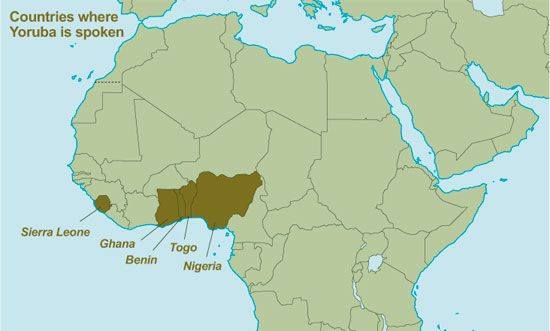
Top Yoruba-Influenced Countries to Travel To in 2026
Instead of treating this as a simple ranking, it is more practical to understand it based on access, opportunity, and cost flexibility.
Benin Republic
This is the most accessible Yoruba-influenced destination from Nigeria. Travel is straightforward through land borders, and Yoruba is widely understood in many communities. The cultural connection is strong, especially in areas like Ouidah and Porto-Novo.
Travel costs are generally low compared to international flights, making it suitable for short trips, trade, or cultural visits. Many Nigerians also use this route for small import-export activities due to proximity.
Togo
Togo offers a quieter but similar experience to Benin. It is also part of the ECOWAS travel zone, meaning documentation requirements are minimal for Nigerian passport holders. Yoruba influence is present in certain communities, and trade activity is growing around border towns.
Living and travel costs remain moderate, making it attractive for budget-conscious travelers exploring business scouting or cultural exposure.
Ghana
Ghana has a strong historical and cultural connection with Yoruba-speaking communities, although it is not fully Yoruba-dominant. However, Yoruba is widely understood in trade and social interaction in certain regions.
Accra remains one of the most active West African cities for business expansion, content creation, and diaspora networking. The cost of living is higher than Benin or Togo, but opportunities are also broader.
Sierra Leone
Sierra Leone contains smaller Yoruba-influenced communities such as the Aku people. The country is more focused on cultural heritage and reconstruction tourism. It is less commercial compared to Ghana or Benin, but valuable for cultural reconnection and historical exploration.
Ivory Coast
Côte d’Ivoire has growing Yoruba-speaking migrant communities due to trade and labor movement. It is becoming a strong hub for cross-border business and West African commerce.
Brazil (Bahia Region)
This is one of the strongest diaspora Yoruba connections globally. In Bahia, Salvador, Yoruba traditions still exist through religion, music, and cultural festivals influenced by African heritage.
Travel cost is significantly higher due to intercontinental flights, but cultural value is unmatched. It is also a strong location for content creation, cultural tourism, and diaspora networking.
Cuba
Cuba retains Yoruba influence through Lukumi and Santería traditions. This makes it a strong destination for cultural and spiritual heritage travel. Access requires more planning, but the cultural depth is strong.
Trinidad and Tobago
Yoruba influence exists through Afro-Caribbean cultural traditions, especially in festivals and heritage practices. It is not language-based but culturally connected.
United Kingdom and United States
These are major diaspora hubs. Yoruba communities are active in cultural events, religious gatherings, and business networks. For many Yoruba speakers, these countries represent long-term migration, education, and remote work opportunities.
Cost Overview for Yoruba Travel in 2026
Travel costs vary depending on destination:
- West Africa road travel: generally ₦150,000 to ₦500,000 for short trips depending on duration and accommodation
- Regional flights: ₦400,000 to ₦2,000,000 depending on destination and timing
- Diaspora flights (US, Brazil, UK): $800 to $2,500 or more depending on season
- Monthly living abroad: ranges from $500 to $1,500 depending on country lifestyle level
Budget planning is important because exchange rates and transport fluctuations can change quickly.
Business and Job Opportunities
One of the strongest hidden advantages of Yoruba-speaking travel routes is business potential.
Common opportunities include:
- Cross-border trade between Nigeria, Benin, and Togo
- Cultural tourism services for diaspora visitors
- Yoruba translation and interpretation work
- Content creation around heritage travel and diaspora storytelling
- Remote language-based jobs in education, NGOs, and government-linked programs
- Event and festival coordination in diaspora regions
Yoruba language itself becomes a market advantage in communication-heavy environments.
Real Travel Considerations
Travel across Yoruba-influenced regions is generally safe when standard precautions are followed. However, travelers should understand border differences, currency exchange challenges, and transportation reliability.
Speaking Yoruba in West Africa can also improve negotiation outcomes in markets and informal trade settings, which many travelers report as a real advantage.
Frequently Asked Questions
Is Yoruba spoken outside Nigeria?
Yes, especially in Benin, Togo, and diaspora regions like Brazil and Cuba.
Can Yoruba help in business abroad?
In certain West African markets and diaspora communities, it can improve communication and trust.
Is it expensive to travel as a Yoruba speaker in 2026?
It depends on destination. West Africa is relatively affordable compared to international travel routes.
Conclusion
Yoruba-speaking travel routes in 2026 are no longer just cultural exploration paths. They now represent a mix of identity, business opportunity, migration planning, and global networking potential. From nearby ECOWAS countries to far diaspora regions like Brazil and Cuba, the value of Yoruba language continues to extend beyond borders.
What matters most is not just travel, but how each destination is used for growth, income opportunities, and long-term positioning in a more connected global economy.