
2027 Nigeria General Elections: Full Political Landscape, Key Contenders, State Battles and What Will Shape the Outcome
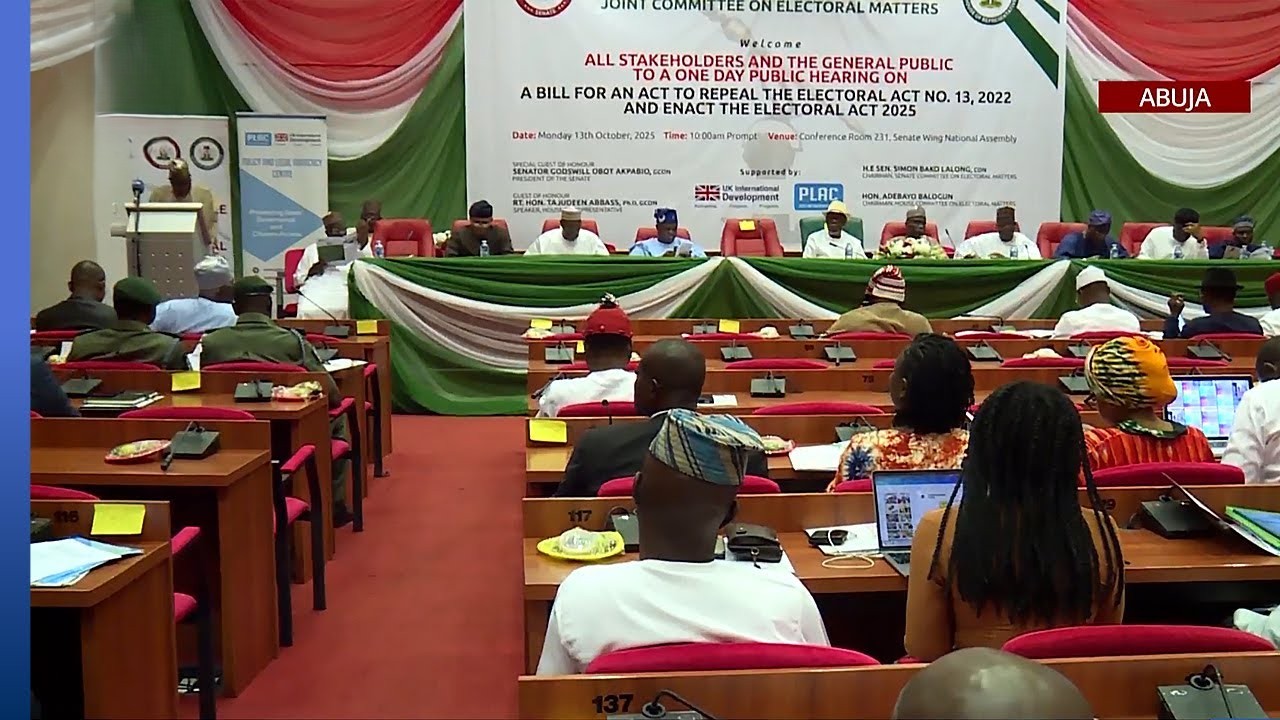
The strength of any democracy depends heavily on how transparent and competitive its electoral cycle is, and how well political institutions respond to public needs. In Nigeria, elections go beyond voting alone, they reflect economic pressure, regional dynamics, party strength, and long-standing public sentiment.
As the country moves toward the 2027 general elections, political conversations are already gaining momentum. Economic challenges, security concerns, governance performance, and shifting alliances are shaping early expectations of what will be one of the most competitive election cycles in recent years.
Political parties are repositioning, coalition talks are emerging, and key figures across regions are strengthening their influence. At the same time, digital platforms are amplifying political discussions faster than ever before.
Overview of the 2027 Nigeria General Elections
The 2027 general elections in Nigeria will include:
- Presidential election
- National Assembly elections
- Governorship elections
- State House of Assembly elections
The process will be managed by the Independent National Electoral Commission, which oversees voter registration, election logistics, and result collation.
Early political interest is already rising due to ongoing debates around economic reforms, governance performance, and national security concerns. These factors are expected to heavily influence voter sentiment.
At this stage, most political actors are still in the positioning and negotiation phase, with alliances and party strategies yet to be finalized.

Political Background Leading Into 2027
The 2023 elections significantly reshaped Nigeria’s political landscape by introducing stronger competition among major political blocs. It also highlighted:
- Increased youth political participation
- Stronger regional voting patterns
- Rise of digital political influence
- Growing importance of coalition politics
Since then, political alignment has continued to shift, with opposition groups exploring possible alliances to improve competitiveness ahead of 2027.
Key Political Stakeholders and Emerging Figures
Nigeria’s 2027 political environment includes a mix of established politicians, former governors, and emerging political voices.
Key Stakeholder Overview Table
| Category | Description | Influence Level |
|---|---|---|
| Ruling party structure | Incumbent government machinery and national influence | Very High |
| Opposition coalitions | Groups exploring alliances for electoral strength | High |
| Former governors | Strong state-level influence and political networks | High |
| Emerging youth politicians | Digital influence and urban voter engagement | Medium |
| Regional power brokers | Traditional political influence in states | Very High |
At this stage, no final presidential or major alliance structures are confirmed. Discussions around zoning, coalition arrangements, and party primaries are still ongoing.
State Governorship Dynamics and Power Shifts
The governorship races will be a major factor in shaping the 2027 elections. Several governors across Nigeria’s 36 states will be completing their second term, making them ineligible for re-election.
This opens up new political competition at the state level and increases internal party contests.
Key State-Level Political Effects
- Transition of outgoing governors into Senate or party leadership roles
- Increased competition within ruling and opposition parties
- Strong influence of state structures on national elections
- Strategic importance of swing states
Key Battleground States (Expected Influence)
| State | Political Importance |
|---|---|
| Lagos | Economic center and high voter influence |
| Kano | Large voting population in the North |
| Rivers | Strong oil-region political influence |
| Oyo | Competitive Southwest political zone |
| Borno | Security and regional stability influence |
State politics will play a direct role in shaping presidential election outcomes through grassroots mobilization and party control.
Key Issues That Will Shape the Election
Several national issues will strongly influence voter decisions in 2027.
Major National Issues Table
| Issue | Impact on Election |
|---|---|
| Economy & inflation | High cost of living affects voter sentiment |
| Unemployment | Major concern among youth voters |
| Security challenges | Influences trust in leadership |
| Infrastructure | Roads, power, and development performance |
| Education | School quality and access |
| Healthcare | Public health system performance |
| Fuel subsidy reforms | Direct economic impact on citizens |
These issues are often central to campaign messaging and political debates.
Political Timeline Leading to 2027
The election cycle is expected to unfold gradually in stages:
Timeline Table
| Period | Political Activity |
|---|---|
| 2025 | Early consultations and party repositioning |
| 2025–2026 | Coalition talks, defections, and alignments |
| Mid–2026 | Party primaries and candidate emergence |
| Late 2026 | Full campaign season begins |
| Early 2027 | Final campaign push and election preparations |
| 2027 | General elections conducted |
This phase is expected to be highly dynamic, with frequent political shifts and alliance changes.
Social Media and Digital Political Influence
Digital platforms now play a major role in shaping Nigeria’s political environment.
Platforms such as X (Twitter), TikTok, Facebook, and YouTube influence:
- Political narratives
- Candidate popularity
- Viral campaign messaging
- Public perception of governance
Short-form content, memes, and political commentary spread quickly and often shape national conversations.
However, misinformation remains a challenge, making verified information increasingly important.
Uncertainty and Political Complexity
The 2027 elections remain unpredictable due to multiple factors:
- Ongoing coalition negotiations
- Party internal disputes
- Regional and ethnic balancing considerations
- Economic and security conditions
- Voter turnout dynamics
Nigeria’s political system is also strongly influenced by regional interests and power-sharing arrangements, adding further complexity.
Conclusion
The 2027 Nigeria general elections are shaping up to be one of the most competitive and closely watched political cycles in recent history.
With evolving alliances, emerging political actors, state-level transitions, and strong digital influence, the political environment remains fluid.