DIY Guide to Soundproofing a Room on a Budget
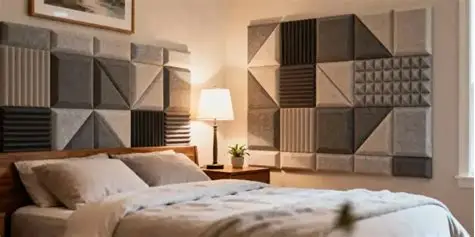
Soundproofing a room completely can require construction work and specialized materials, but there are affordable steps that can reduce echoes and limit some sound leakage. Curtains, rugs, wall coverings, and door seals are simple places to start when working with a limited budget.
Use Heavy Curtains and Rugs
Heavy curtains and rugs tend to be some of the most cost-effective ways to reduce sound reflection in many rooms. Sound waves can bounce off hard surfaces such as tiled or wooden floors, making a room feel louder and more echoey.
Heavier, floor-length curtains on windows and thick rugs on bare floors typically absorb more sound than thin fabrics and should be prioritized when working on a budget.
These changes may not completely block sound from entering or leaving the room, but they can reduce reflections and improve the room’s acoustic environment.
Reduce Hard Wall Surfaces
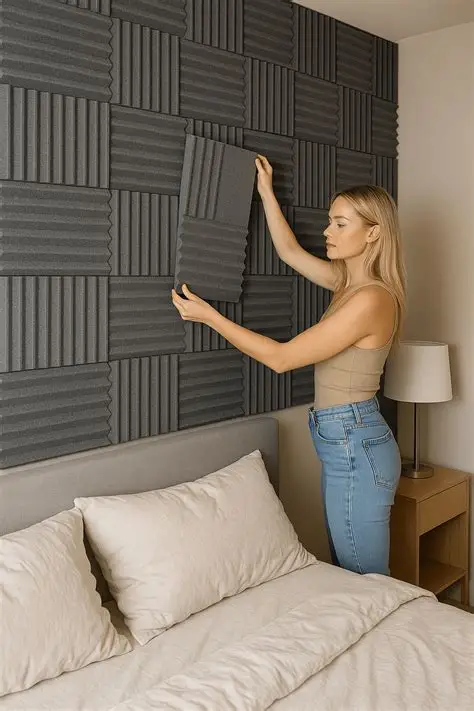
Hard, flat surfaces such as walls and windows can also contribute to reflections.
Hanging fabric wall coverings or strategically placing bookshelves can help break up large flat surfaces. Bookshelves containing books and other objects can provide an uneven surface that reduces some reflections compared with an empty wall.
Seal Gaps Around Doors
Reducing sound leakage through doors can also be fairly easy. Attaching a draught excluder or weather strip to the bottom edge of the door can reduce the amount of sound that travels through the gap.
Checking the sides and top of the door for other noticeable gaps can also identify areas where sound is escaping.
Consider More Extensive Soundproofing
Adding a second layer of drywall with sound-dampening properties can help reduce noise passing through shared walls, although this requires a larger investment and basic construction skills to install.
For renters or people on a strict budget, curtains, rugs, furniture placement, and door seals are easier starting points because they require less permanent modification.
It is important to distinguish between reducing echoes inside a room and truly soundproofing it. Complete sound isolation generally requires addressing walls, ceilings, floors, doors, windows, and air gaps rather than simply adding soft furnishings.