Simple Guide to Meal Prepping on a Tight Weekly Budget
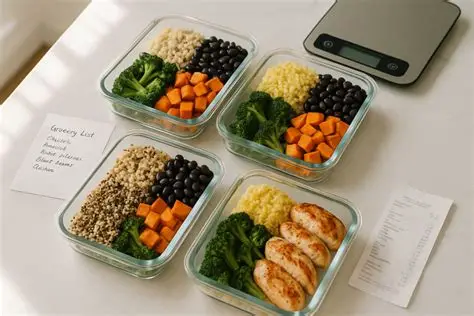
Meal prepping on a tight budget is mainly about planning ahead, buying ingredients carefully, and reducing the amount of food that gets wasted. Preparing several meals at once can also save time during busy weekdays.
Plan Meals Around Affordable Ingredients
Rather than working out a weekly meal plan around whatever ingredients happen to be on special, it is better to work out which ingredients are cheapest and plan dishes around them.
Most staples, including rice, lentils, chicken, and similar foods, can fluctuate in price from week to week. Building meals around affordable ingredients can therefore make it easier to keep spending under control.
The goal is not necessarily to eat the same meal every day. A few inexpensive base ingredients can be prepared differently throughout the week to create more variety.
Batch-Cook Your Meals
Meals should also be batch-cooked on one day, typically Sunday, rather than cooking five separate meals throughout the week.
Preparing food in larger quantities reduces the amount of time spent cooking and makes it easier to have something ready when you are busy.
Investing in a set of food storage containers rather than using single-use plastic bags will also pay off in the long run.
Meals can typically be stored in the fridge for three to four days, while suitable meals can be kept in the freezer for longer periods. Follow proper food-storage practices and refrigerate or freeze cooked food promptly rather than leaving it at room temperature for extended periods.
Use the Freezer to Reduce Waste
Half of any batch-cooked meal can be portioned out and saved in the freezer for the following week. This can help avoid buying more ingredients mid-week and reduce the chance of throwing food away when there are no hungry mouths to feed.
Freezing individual portions can also make it easier to defrost only what is needed rather than repeatedly reheating an entire batch.
Buy Ingredients Strategically
Buying ingredients in bulk from local markets rather than pre-weighed supermarket packets can reduce the weekly grocery budget, particularly for ingredients that are regularly used.
Frozen vegetables can also be bought in rotation with fresh ones to ensure that there is always a selection of healthy and affordable options available.
A simple meal-prep routine can therefore combine bulk buying, batch cooking, proper storage, and flexible recipes to make a limited weekly food budget stretch further.