Ursula von der Leyen State of the Union 2026: Europe’s Priorities Take Centre Stage
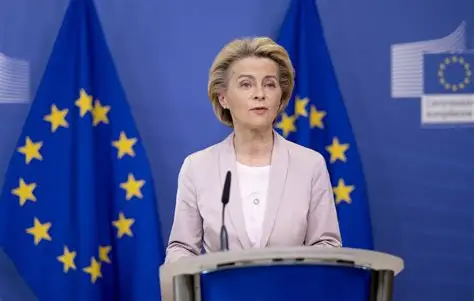
European Commission President Ursula von der Leyen delivered her State of the Union address to the European Parliament, setting out priorities for the remainder of the institutional cycle.
The speech covered competitiveness, defence readiness, technological sovereignty and the ongoing response to external pressures.
Officials inside the Berlaymont had prepared multiple drafts in the preceding weeks, adjusting language on industrial policy and external relations right up to the final hours.
Parliamentarians from different political groups reacted along predictable lines: support from the centre, criticism from both the far right and the left on questions of ambition and delivery.
The address was watched closely in national capitals, where governments assess how Commission proposals will translate into domestic legislation.
Von der Leyen Signals Europe’s Next Priorities
Social media accounts run by MEPs and national party offices amplified selected passages within minutes, often pairing quotes with their own political framing.
Von der Leyen emphasised the need for Europe to reduce strategic dependencies while maintaining internal cohesion.
Behind the formal chamber setting, diplomatic notes circulated among permanent representations summarising national red lines on upcoming files.
The speech also touched on institutional reform and the balance between crisis response and long-term planning.
For civil servants working on the next multiannual financial framework, the tone provided early signals about political appetite for new instruments.
The event remains one of the few fixed moments when the Commission president addresses the full range of European challenges in a single structured intervention, making the wording and emphasis subjects of immediate and sustained analysis across Brussels networks.
The address therefore provides an important political signal for the direction of the European Union as officials and member states prepare for the decisions that will shape the remainder of the institutional cycle.