Peter Obi Biography 2026: Full Life Story, Career, Net Worth, Family, Political Journey and 2027 Outlook
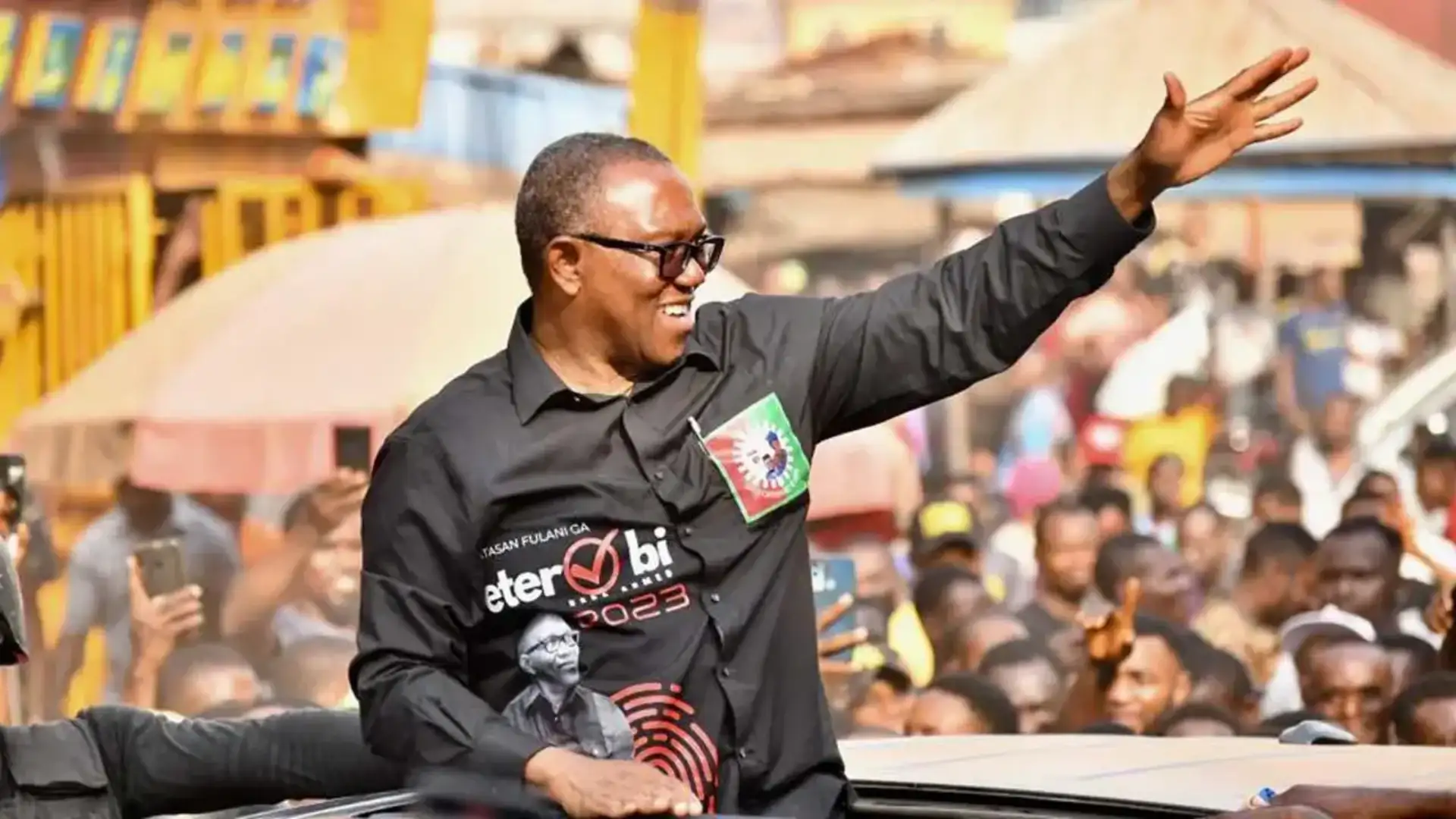
Peter Obi is one of the most influential political figures in modern Nigerian politics. Known for his disciplined lifestyle, economic-focused governance style, and strong youth-driven support base, he rose from a successful business background into national politics and became a major opposition force in the 2023 presidential election.
His political identity is shaped by a combination of business intelligence, fiscal conservatism, and a public image centered on simplicity, accountability, and economic productivity. Over the years, he has transitioned from a state-level governor to a national political figure whose influence extends beyond party lines.
Early Life and Background
Peter Obi was born on 19 July 1961 in Onitsha, Anambra State, Nigeria, and originally hails from Agulu in Anaocha Local Government Area. He grew up in a devout Catholic Igbo family that emphasized discipline, education, and hard work.
From an early age, he was exposed to commerce and trading culture, which is common in the southeastern region of Nigeria. This environment played a major role in shaping his later business mindset and financial discipline.
He attended Christ the King College, Onitsha, where he completed his secondary education before moving on to higher studies.

Education and Academic Development
He later gained admission into the University of Nigeria, Nsukka, where he studied Philosophy and graduated in 1984. His educational background gave him a strong foundation in critical thinking, ethics, and leadership reasoning.
Beyond his formal university education, he further enhanced his knowledge through executive training programs in top global institutions including:
- Lagos Business School
- Harvard Business School
- University of Cambridge executive programs
- IMD Business School, Switzerland
- Kellogg School of Management
These training experiences shaped his economic and governance philosophy, especially his focus on efficiency and resource management.
Business Career Before Politics
Before entering politics, Peter Obi built a successful career in business and investment.
He was actively involved in import/export trading and later expanded into corporate investments, banking, and FMCG-related sectors. One of his notable business footprints includes his involvement in companies such as Next International and investments in Nigeria’s banking industry.
He also served as Chairman of Fidelity Bank at a point in his career and maintained significant shareholding positions in financial institutions. His business experience built the foundation for his later emphasis on savings, investment, and fiscal discipline in governance.
His philosophy during this period strongly emphasized production over consumption, a principle that later became central to his political messaging.
Family and Personal Life
Peter Obi is married to Margaret Brownson Usen, a woman from Cross River State. Their marriage began in 1992 and has remained stable over the years despite political pressures and public scrutiny.
They have two children:
- Gabriella Nwamaka Frances Obi
- Gregory Peter Oseloka Obi
He is known for maintaining a private family life, rarely exposing personal matters to the public space. However, in recent years, his family has occasionally been drawn into public debate, especially regarding lifestyle comparisons with his public image of simplicity.
Political Career Journey
Entry into Politics
Peter Obi entered mainstream politics through the All Progressives Grand Alliance (APGA), where he gained early recognition for his reform-driven mindset.
Governor of Anambra State
He served as Governor of Anambra State between 2006 and 2014, although his tenure included periods of legal and political challenges, including impeachment battles that were later resolved in court.
During his administration, he became widely known for:
- Strong fiscal discipline
- Saving and investing state funds
- Improvements in education and healthcare systems
- Infrastructure development
- Low-cost governance approach
His governance style was widely referenced in national discussions as a model of economic prudence.

National Political Expansion
After his governorship, he joined the People’s Democratic Party (PDP) and later became the vice-presidential candidate in 2019 alongside Atiku Abubakar.
In 2022, he made a major political shift by joining the Labour Party, which became a turning point in his national political relevance.
2023 Presidential Election and “Obidient Movement”
In the 2023 presidential election, Peter Obi ran as the Labour Party candidate and emerged as one of the strongest contenders, officially placing third with millions of votes.
His campaign gained massive youth-driven support through the “Obidient Movement,” a social media-powered political wave that spread across Nigeria and the diaspora.
His major campaign themes included:
- Anti-corruption governance
- Economic restructuring
- Youth empowerment
- Productivity over consumption
- Institutional reforms
This movement positioned him as a major opposition figure in Nigerian politics.
Political Style and Ideology
His political philosophy is built around:
- Fiscal responsibility
- Reduced government waste
- Investment in education and health
- Private sector development
- Accountability in leadership
He is widely regarded as a technocratic and reform-oriented politician with strong appeal among urban youth and educated voters.
Net Worth and Financial Profile
The estimated net worth of Peter Obi is widely debated due to private holdings and business investments.
Estimated Range (2026)
His realistic net worth is estimated between:
$10 million – $30 million USD
This includes earnings from:
- Banking investments
- Trading and import/export businesses
- Real estate holdings
- Equity stakes in financial institutions
- Long-term savings and investments
While higher estimates exist, they are often not fully verified.
He is widely known for a modest lifestyle, often emphasizing simplicity in public spending and governance.
Controversies and Public Criticism
Over the years, his public image has also attracted scrutiny:
- Offshore financial disclosures linked to pre-governorship business activities
- Political criticism over party transitions
- Debate around wealth transparency
- Public comparisons between his frugal image and his family’s lifestyle appearances
- Election-related disputes and allegations during the 2023 polls
Despite these controversies, his support base remains strong, especially among young voters.
Social Media Influence and Cultural Impact
Peter Obi maintains a strong digital presence, especially on X (Twitter), Instagram, and TikTok.
His speeches, airport movements, and public engagements frequently go viral, driven by the Obidient online community.
His cultural influence includes:
- Political awareness among Nigerian youth
- Viral campaign content and memes
- Inspirational governance discussions
- Cross-regional political conversations
He remains one of the most digitally influential Nigerian politicians.
2025–2026 Political Relevance and 2027 Outlook
In recent years, he has remained active in national politics through meetings, coalition discussions, and public engagements with political figures across regions.
His increasing political relevance is shaped by:
- Ongoing opposition strategy discussions
- Youth-driven political loyalty base
- Coalition building across parties
- Public advocacy for economic reforms
Heading into 2027, he remains a central figure in opposition politics, with expectations of another major presidential push depending on party alignment and coalition structure.
Conclusion
Peter Obi remains one of the most influential political figures in Nigeria’s modern democratic era. His journey from business success to governance and national politics reflects a consistent theme of discipline, economic focus, and reform-driven leadership.
Whether viewed as a reformer, opposition leader, or political disruptor, his impact on Nigerian politics continues to shape national conversations, especially among younger generations heading into the 2027 election cycle.