Ban Ki-moon Global Citizen Scholarship Program 2026: Full Guide, Eligibility, Benefits, and How It Works
Let me put this in a way that actually makes sense before you even think of applying or waiting for the next round. Not every opportunity out there is a “school scholarship” the way people usually expect it to be, and this is one of those that many people misunderstand at first glance. This particular program is not about getting admission into a university or chasing grades. It is more about what you can do, what you can build, and how you can create real impact from where you are.
A lot of people keep looking for funding or opportunities but don’t really pay attention to the ones that are built around action and real-life results. This is exactly where this program stands out. It is designed for people who already have a level of education and are ready to step into leadership and actually solve problems in their communities, not just talk about them.
So if you’re coming into this expecting a normal scholarship structure with lectures, exams, and certificates alone, then you need to adjust your mindset. This one is practical, direct, and very intentional.
What the Program Really Is
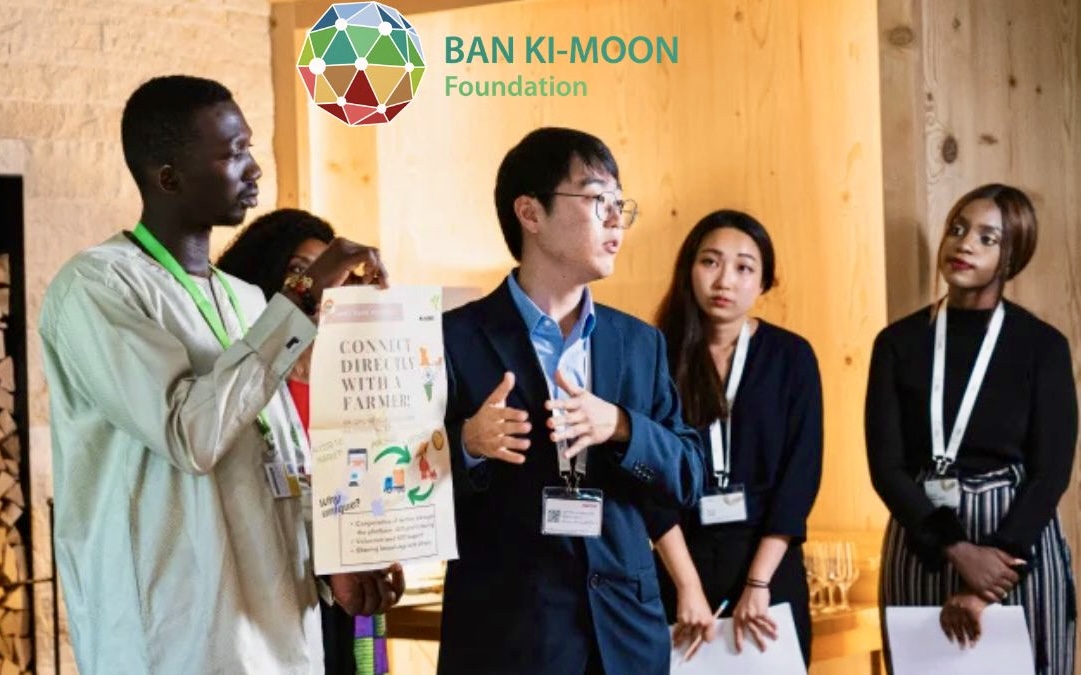
The Ban Ki-moon Global Citizen Scholarship Program 2026 is a fully virtual leadership program that runs for about 8 to 9 months. It is focused on building changemakers who are actively working on solutions tied to the United Nations Sustainable Development Goals.
Instead of sitting in classes all day, participants are expected to design and implement what is called a Changemaker Project. This is a real project that solves a real problem in your community. It could be related to education, health, climate, entrepreneurship, or any other SDG-related issue, but it must be practical and achievable.
The program runs between May and December, and everything is done online, which makes it accessible no matter where you are.
Who Can Apply
This is where many people get it wrong, so pay attention.
- First, age matters. Applicants must be between 20 and 35 years old at the time of application.
- Second, your country matters. The program is open to selected countries, and Nigeria is included, which is why it has been trending a lot among young Nigerians.
- Third, your education level is very important. You must have completed at least a Master’s degree. In rare cases, if you are currently in your Master’s program and have completed your first year with strong performance, you may still be considered.
- Fourth, you need to have a good level of English, at least B2 level. This does not mean you must bring IELTS, but you should be able to communicate clearly in English.
- Lastly, and this is the most important part, you must show real commitment to solving problems. This is not just about writing fine grammar. Your project idea and your mindset will carry more weight than anything else.
What You Will Gain From the Program
If you get selected, you are not just joining a program, you are stepping into a network and a system that is built to push you forward.
- You will go through a structured virtual program with expert-led workshops and mentorship sessions. These are not random talks. They are focused on leadership, project execution, and sustainable development.
- There is also an online summer school focused on entrepreneurship for sustainable development. This is handled in partnership with an international institution, and it is fully covered.
- One key benefit people talk about a lot is the €500 seed funding. This is given after your project proposal is approved, and it is meant to help you actually start your project.
- You will also receive a certificate at the end of the program, but not just for attendance. You must complete your project and submit a proper report.
Beyond that, the networking opportunity is strong. You will meet other young leaders, past scholars, and experts from different parts of the world. This part alone has long-term value if you use it well.
What You Will Be Expected to Do
This is not a passive program. If you get in, you must work.
- From the application stage, you are already expected to present a project idea. This includes the problem you want to solve, how you plan to solve it, and the impact you expect.
- During the program, you will develop this idea properly and implement it in your community. This means real action, not theory.
- You will attend virtual sessions, participate in discussions, and receive mentorship. At the end, you will present your project and submit a final report showing what you achieved.
If you are not ready to commit time and effort, then this program is not for you.
Application Process Explained Clearly
The application window for 2026 was very short, running from February 18 to March 4. This is something you should take seriously because many people miss out just because they were not prepared early.
The application itself is straightforward but requires attention.
You will fill in your personal details, education background, and professional information. After that, you will provide details about your project idea.
At the final stage, you will upload several documents. These include your CV, a motivational statement, a short introduction video of about 60 seconds, a portrait photo, and a clear outline of your project.
Everything must be submitted in English, and there is no application fee.
Selection Process and What Matters Most
Selection is based on merit, but not in the way many people think.
There are no cut-off marks or exam scores. What matters is your idea, your clarity, and your ability to lead.
Your project must be realistic. It should solve a real problem, and it must be something you can actually implement within the program period.
Your motivation must also be clear. They want people who are genuinely committed, not people chasing certificates.
Only a small number of participants are selected, usually around 16 globally, so the competition is tight.
Why This Program Is Gaining Attention
In 2026, the program gained a lot of attention, especially across African countries like Nigeria, Uganda, and Tanzania.
One major reason is that it is fully virtual, which removes travel barriers.
Another reason is that it does not require IELTS in most cases, making it more accessible.
Also, the focus on real-world impact and the availability of seed funding make it more attractive than many traditional opportunities.
People are beginning to see the value in programs that combine learning with action, and this one fits that space perfectly.
How to Prepare for the Next Application Cycle
If you missed the 2026 round, the best thing you can do now is prepare early.
Start by identifying a problem in your community that you understand well. Do not pick something just because it sounds good. Pick something you can actually work on.
Develop your idea into a simple but clear plan. Think about how it will work, what resources you need, and what results you expect.
Work on your communication. Your video and motivation statement should reflect who you are and what you stand for.
Keep your CV updated and make sure it reflects your experience and achievements properly.
Most importantly, monitor updates early in the year because the application window is always short.
Frequently Asked Questions
Is this a university scholarship?
No, it is not a degree program. It is a leadership and project-based training program.
Do I need IELTS to apply?
Not necessarily. You just need to demonstrate that you can communicate effectively in English.
Can undergraduates apply?
No. You must have completed a Master’s degree or be in an advanced stage of one.
Is the program fully funded?
Yes, the program itself is fully covered, and selected participants also receive seed funding for their projects.
Can Nigerians apply?
Yes, Nigeria is one of the eligible countries.
When will the next application open?
Usually around February, but you should start preparing long before that.