Senegal Government Scholarships 2026: Full Guide to Bourses Nationales, Bourses à l’Étranger, Eligibility and Application Process
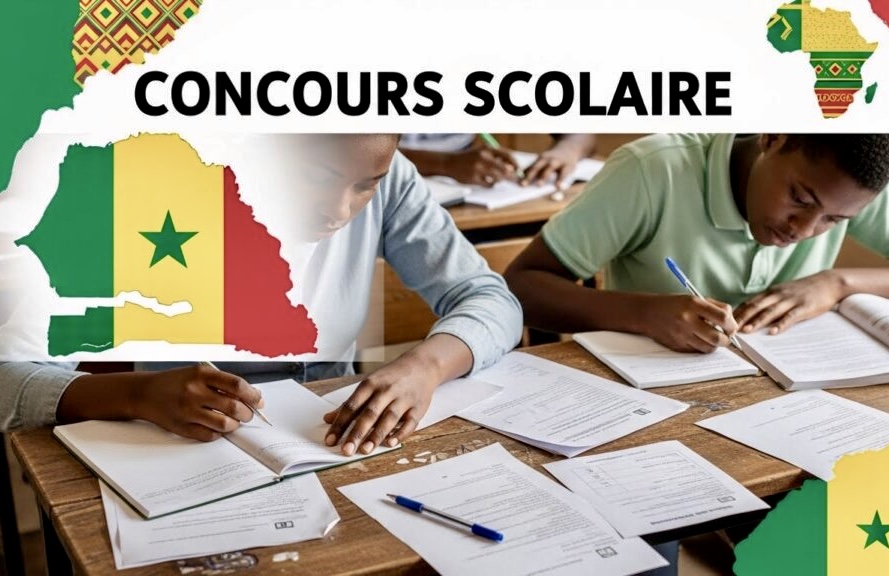
Access to higher education is often shaped not only by academic performance but also by financial strength, available support systems, and awareness of opportunities. In Senegal, many students with strong academic potential still face difficulties continuing their studies due to limited funding. At the same time, others are able to progress smoothly because they understand how government scholarship systems work and how to take advantage of them at the right time.
In recent years, education financing in Senegal has become more structured and more digital, with the Ministry of Higher Education, Research and Innovation (MESRI) and the Direction des Bourses improving how applications, payments, and announcements are managed. This has made the system more accessible, but also more competitive. Today, scholarship opportunities are no longer random; they follow clear annual cycles, strict academic conditions, and official procedures that every applicant must understand before applying.
Senegal Government Scholarships 2026 are not a single program but a combination of structured national and international funding schemes. Each one serves a different academic level and purpose, from local university studies to full international postgraduate sponsorships. Understanding how each category works is the first step toward successfully benefiting from them.
Senegal Government Scholarships 2026 Overview
The Senegal government scholarship system is mainly managed by the Direction des Bourses under MESRI. Every year, it operates through two major categories which remain consistent across academic sessions:
- Bourses nationales for studies within Senegal
- Bourses à l’étranger for studies abroad under cooperation agreements or annual mobility programs
These scholarships are issued yearly, with fixed academic requirements for national awards and time-based application calls for foreign scholarships. As of 2026, some cycles are already active while others follow scheduled annual openings, especially toward the end of the year.
Bourses Nationales 2026 (Study in Senegal)
The national scholarship system supports students enrolled in public universities and approved higher education institutions across Senegal. It is mainly targeted at new graduates from the Baccalauréat system and continuing students who meet academic progression requirements.
The selection is largely based on academic performance. Students who achieve high distinctions in their Bac results are considered first for excellence awards. Those with slightly lower but strong results can still qualify for full scholarships depending on available slots and institutional selection criteria.
There is also a social support category designed for students facing financial challenges. This includes students from low-income families, those with disabilities, or individuals with special circumstances that affect their ability to finance education. These cases are reviewed separately through official social scholarship campaigns conducted annually.
For most new students, scholarship allocation is automatic based on academic merit after enrollment in a recognized institution. However, social aid requires formal application during designated periods, usually handled through university services or the Direction des Bourses.
Recipients of national scholarships typically receive monthly financial support, access to university facilities such as housing and meals, and in some cases additional allowances depending on the study field. Renewal is not automatic and depends on academic progress, meaning students must maintain satisfactory results to continue benefiting.
Bourses à l’Étranger 2026 (Study Abroad Scholarships)
The international scholarship system is more competitive and is designed for Senegalese students who want to pursue higher education abroad at undergraduate, master’s, or doctoral levels.
These scholarships are offered through bilateral agreements between Senegal and partner countries. They include programs such as cooperation scholarships, mobility programs, and specialized academic exchanges. Each year, different countries participate, and application deadlines vary depending on the partner institutions.
Common destinations include countries in Europe, Asia, and Africa through structured cooperation frameworks. Some programs focus on science and technology, while others support fields like education, governance, agriculture, and health sciences.
Unlike national scholarships, foreign scholarships require a complete application file. This usually includes academic transcripts, identification documents, recommendation letters, a motivation statement, and sometimes proof of language proficiency or pre-admission from a foreign institution.
Applications are generally submitted through an official online platform during the annual campaign period or directly through the Direction des Bourses for specific bilateral programs. After submission, candidates go through a selection process that includes academic evaluation and final approval from partner countries.
Successful candidates receive full or partial coverage depending on the program. This may include tuition, accommodation, travel expenses, and monthly living allowances. However, most programs require beneficiaries to return to Senegal after completing their studies to contribute to national development.
Application Process and Key Requirements
For national scholarships, eligibility is mainly based on academic performance after the Baccalauréat. Students must be enrolled in a recognized public institution and maintain academic progress throughout their studies.
For international scholarships, requirements are more detailed. Applicants must have strong academic results, meet age requirements depending on the program, and sometimes provide admission confirmation from a foreign university. Language requirements may also apply depending on the destination country.
All applications must be submitted within official deadlines. Late submissions are not accepted under any condition, and incomplete files are automatically rejected. This makes early preparation very important for all candidates.
Important Updates for 2026 Applicants
The 2026 scholarship cycle follows the same structured annual pattern, with national scholarships running continuously based on academic cycles and foreign scholarships opening at specific times of the year.
Recent improvements include increased digitization of application systems and faster communication of results. Payment processes have also been streamlined, with clearer timelines for stipend distribution.
Competition remains very high, especially for excellence and international scholarships. Students are encouraged to prepare documents early and follow official announcements closely to avoid missing deadlines.
Frequently Asked Questions
Who can apply for Senegal Government Scholarships 2026?
Any student who has completed the Baccalauréat and is enrolled in a recognized higher education institution in Senegal can be considered for national scholarships. International scholarships are open to Senegalese students with strong academic records depending on the program.
Do I need to apply separately for national scholarships?
In most cases, selection is automatic based on academic performance after university registration. However, social aid requires a separate application during official campaigns.
Are all scholarships fully funded?
National scholarships provide monthly allowances and student support services. International scholarships may be fully or partially funded depending on the partner country and program type.
When do foreign scholarship applications open?
Most international scholarship calls open between November and February each academic cycle, although some bilateral programs may open at different times throughout the year.
Conclusion
Senegal Government Scholarships 2026 represent one of the most structured and competitive education support systems in West Africa. With both national and international pathways available, students have multiple opportunities to pursue higher education depending on their academic performance and preparation level.
Success in these programs depends on understanding deadlines, preparing documents early, and maintaining strong academic results. As the system continues to modernize, students who stay informed and organized have a higher chance of securing funding and advancing their studies both locally and abroad.