Musa Musawa Biography, Family, Career, and Cause of Death
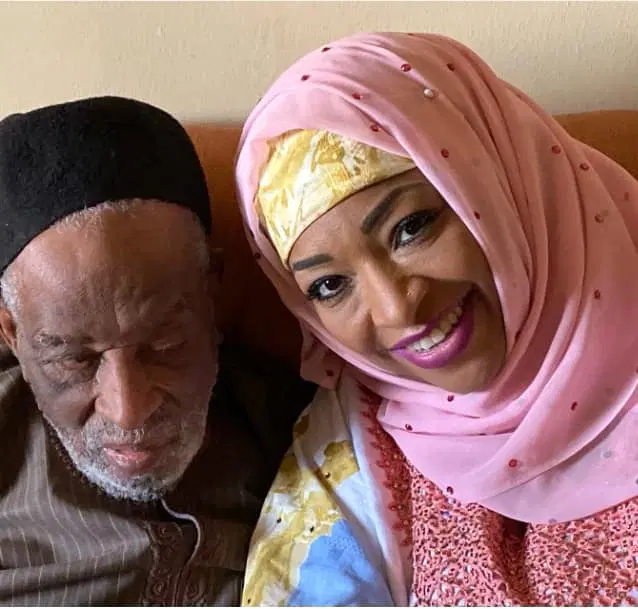
Success, influence, and impact don’t always come from loud public appearances or constant media attention. Some people shape history quietly through consistency, discipline, and long-term commitment to causes they believe in. One such person in Nigeria’s political and social space is Alhaji Musa Musawa.
Musa Musawa was not the type that chased attention, yet his name consistently appeared anywhere serious conversations were held around progressive politics, grassroots development, business discipline, and social responsibility in Northern Nigeria. His life cut across politics, public service, business, and philanthropy, leaving behind records that still speak louder than noise.
This article breaks down who Musa Musawa was, his background, family, career path, political influence, personal life, and the circumstances surrounding his death, based on confirmed public records and long-standing historical accounts.
Who Was Musa Musawa?
Alhaji Musa Musawa was a Nigerian politician, diplomat, broadcaster, businessman, and philanthropist. He was widely known for his early involvement in progressive politics in Northern Nigeria and his long-standing commitment to social justice, youth empowerment, and economic development.
Unlike many public figures of his era, Musa Musawa operated across multiple sectors without losing focus on community impact. His influence was felt both in government circles and among everyday people, especially those aligned with reformist and progressive ideologies.
Early Life and Background
Musa Musawa was born in Bichi, Kano State, into a modest family. He was the youngest of three children. His early life was shaped by hardship, particularly after losing his mother at a young age. He was raised by his aunt, an experience that played a strong role in shaping his values around resilience, empathy, and social responsibility.
Growing up in Northern Nigeria during a politically sensitive era exposed him early to issues of inequality, governance, and power imbalance. These experiences later influenced his political direction and advocacy for the common people.
Education
Musa Musawa began his education in Bichi, where he completed his primary schooling. He later attended secondary school in Kano, showing early signs of discipline and leadership.
For his higher education, he studied public administration at the University of Ife (now Obafemi Awolowo University). His academic background prepared him for public service, diplomacy, and policy-related roles.
Some records also associate him with Ahmadu Bello University (ABU), Zaria, particularly in relation to engineering and telecommunications. While details differ across sources, it is established that his technical competence later reflected strongly in his telecom career.
Career and Professional Life
Broadcasting and Media
After completing his studies, Musa Musawa worked with the BBC African Service as a broadcaster. This role exposed him to international communication standards and sharpened his understanding of public messaging, diplomacy, and information control.
His time in broadcasting also helped shape his calm, structured, and non-confrontational style of engagement, which later defined his political and business dealings.
Telecommunications Career
Musa Musawa later moved into the telecommunications sector, where he worked with major institutions, including Nigerian Telecommunications Limited (NITEL) and MTN Nigeria.
He rose through the ranks due to competence and experience, holding senior and executive-level responsibilities. His telecom career positioned him among early Nigerian professionals who helped shape the country’s communication infrastructure.
Business Ventures
Beyond public service, Musa Musawa was an established businessman. His investments cut across:
- Real estate development
- Commercial properties
- Agricultural ventures
He was known for building sustainable businesses rather than short-term profit-driven enterprises. Many young professionals and entrepreneurs regarded him as a quiet mentor due to his willingness to guide without seeking credit.
Political Involvement
NEPU and Progressive Politics
Musa Musawa was a founding figure in Northern Nigeria’s progressive political movement. He was actively involved in the Northern Elements Progressive Union (NEPU), one of the earliest political parties in the region.
He served as youth chairman, playing a major role in mobilizing young people against feudal politics and elite dominance at the time. NEPU stood as an opposition to the Northern Peoples Congress (NPC), advocating for fairness, education, and inclusion.
Peoples Redemption Party (PRP)
During the Second Republic, Musa Musawa aligned with Malam Aminu Kano under the Peoples Redemption Party (PRP). He served as treasurer of the party and remained committed to its ideology centered on the welfare of ordinary citizens.
He also contested for political office, including a gubernatorial race, though his influence extended beyond election outcomes into ideology-building and political education.
Family and Personal Life
Musa Musawa lived a private personal life and deliberately kept his family away from public drama. He was married and had children.
One of his children, Hannatu Musa Musawa, later became a prominent public figure and currently serves as Nigeria’s Minister of Art, Culture, Tourism, and the Creative Economy. His values and ideological background strongly influenced her public service approach.
His son, Aminu Musawa, also publicly described him as a disciplined, warm, and principled father.
Philanthropy and Community Impact
Musa Musawa was deeply involved in philanthropy, especially youth empowerment. He founded the Musa Musawa Foundation, which focused on:
- Entrepreneurship training
- Youth skill development
- Job creation
- Educational support
- Community-based development programs
He believed economic independence was the strongest form of empowerment and structured his philanthropic efforts around sustainability rather than handouts.
Cause of Death
Alhaji Musa Musawa passed away after a prolonged illness. His death marked the end of an era for many who followed Nigeria’s progressive political history.
His passing attracted tributes from political leaders, civil society actors, and ordinary citizens who recognized his contributions to democracy, governance, and social development.
Legacy and Influence
Musa Musawa is remembered for:
- Championing progressive politics in Northern Nigeria
- Supporting grassroots political participation
- Building sustainable businesses
- Investing in youth empowerment
- Maintaining integrity without seeking attention
His legacy lives on through his family, foundation, and the political values he stood for.
Frequently Asked Questions (FAQs)
Was Musa Musawa a politician or businessman?
He was both. He played key roles in politics, telecommunications, business, and philanthropy.
Where was Musa Musawa from?
He was from Bichi, Kano State, Nigeria.
Is Musa Musawa related to Hannatu Musawa?
Yes. Hannatu Musa Musawa is his daughter.
What political party was Musa Musawa associated with?
He was associated with NEPU and later the Peoples Redemption Party (PRP).
What is Musa Musawa remembered for most?
His role in progressive politics, youth empowerment, and quiet but effective leadership.
Conclusion
Musa Musawa lived a life rooted in principle, service, and long-term impact. He avoided noise, avoided shortcuts, and stayed consistent with his beliefs until the end. His story is not about hype or headlines, but about substance, discipline, and contribution.
For those who study Nigeria’s political evolution, Musa Musawa remains a reference point for integrity-driven leadership and progressive thinking.