Cancer Prevention: 5 Everyday Habits a Nigerian Influencer Says Could Lower Your Risk
The recent health battle involving veteran Nollywood actor Taiwo Hassan, popularly known as Ogogo, has once again drawn attention to cancer and the growing concerns surrounding the disease.
Ogogo’s family recently revealed that the 66-year-old actor is battling stage-four cancer and appealed for medical assistance as they search for further treatment options. The development has triggered an emotional response among Nigerians, while also renewing conversations about cancer prevention and the lifestyle choices people make every day.
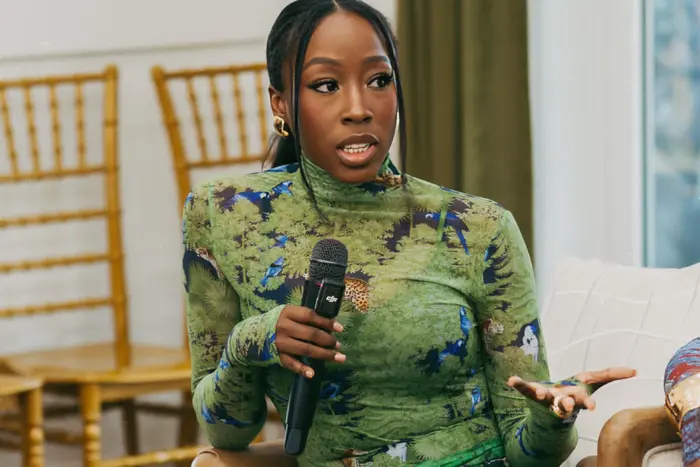
Against that backdrop, Nigerian influencer Ebuka, known online as @plantboy.ng, shared five habits he believes people should consider if they want to reduce their cancer risk.
He was careful to point out that he is not a medical professional. Some of his suggestions are reasonable lifestyle choices, but others should not be treated as scientifically proven ways of preventing cancer.
Here is what his advice means when placed alongside established cancer-prevention guidance.
1. Pay More Attention to the Water You Drink
One of the influencer’s biggest concerns was sachet water, popularly known as “pure water” in Nigeria.
He suggested that people who can afford alternatives should consider reducing their reliance on sachet water because of concerns about plastic packaging and possible exposure to microplastics.
Microplastics have indeed been detected in drinking water. However, that does not mean drinking sachet water automatically causes cancer. There is currently not enough evidence to establish that the levels of microplastics found in drinking water pose a significant cancer risk.
The more immediate concern for Nigerians should be whether their drinking water is properly treated, clean and safely stored.
Sachet water from a properly regulated and hygienically handled source is not something that should simply be labelled a cancer risk. At the same time, people should be cautious about poorly packaged or improperly stored water that could expose them to other contaminants.
The lesson is simple: know the source of your drinking water and make safe water a priority.
2. Be More Careful About the Products You Use on Your Skin and Hair
The second suggestion focused on the number of beauty and personal-care products people use.
From hair products and lotions to creams, perfumes and other cosmetics, it is common for people to use several products every day.
But using multiple beauty products does not automatically increase someone’s cancer risk.
Instead, the sensible approach is to know what you are buying and how you are using it. Check labels, follow instructions and avoid products from questionable sources, particularly products that do not clearly state their ingredients or safety information.
This is especially important when it comes to products marketed with exaggerated promises such as instant skin lightening or dramatic changes in skin tone.
Being selective about what goes on your body is good practice, but it should not be confused with a proven cancer-prevention method.
3. You Don’t Need to Drench Yourself in Perfume
For many Nigerians, smelling good is part of looking good.
And for some people, one fragrance is never enough. A perfume, body spray and another fragrance can all become part of the same routine.
The influencer suggested cutting down on excessive perfume use.
There is, however, no established evidence that simply wearing several perfumes causes cancer.
So, this particular suggestion should be treated as a personal lifestyle preference rather than a medically established cancer-prevention measure.
Still, moderation makes sense. Some fragrances can irritate the skin or trigger headaches or breathing difficulties in sensitive people. If a particular product causes a reaction, it is better to stop using it rather than continuing because it smells good.
In other words, smelling good is fine. Just don’t mistake using less perfume for one of the major scientifically proven ways to prevent cancer.
4. Get Outside and Make Physical Activity Part of Your Routine
The influencer also encouraged people to bring more greenery into their lives by gardening, keeping plants around the home or spending more time outdoors.
Having indoor plants or maintaining a garden should not be marketed as a direct cancer cure or prevention strategy.
But the broader idea of being active and spending less time sitting around has stronger scientific backing.
Physical inactivity is a recognised cancer risk factor, while maintaining a healthy weight and exercising regularly can help lower the risk of several cancers.
That means you do not necessarily need a large garden to benefit.
Walking, gardening, exercising, playing sports or simply finding ways to move more during the day can contribute to a healthier lifestyle.
A small balcony garden may brighten your home, but the movement that comes with caring for it is likely more relevant to cancer prevention than the plants themselves.
5. Focus on the Cancer Risks That Science Has Actually Identified
This is where the conversation needs to move beyond perfume, sachet water and skincare.
Cancer is a complicated disease, and there is no single habit that can guarantee a person will never develop it.
However, major cancer organisations have identified several preventable risk factors.
A 2026 global analysis by the World Health Organization and the International Agency for Research on Cancer estimated that 37% of new cancer cases recorded worldwide in 2022 — about 7.1 million cases — were linked to preventable causes. Tobacco was the largest preventable contributor, followed by cancer-causing infections and alcohol. Other factors included excess body weight, physical inactivity, air pollution and ultraviolet radiation.
That gives people a much clearer picture of where prevention efforts should actually be concentrated.
What can people do to lower their cancer risk?
| Habit | Why it matters |
|---|---|
| Avoid tobacco | Tobacco is the leading preventable cause of cancer globally. |
| Limit alcohol | Alcohol consumption is linked to several types of cancer. |
| Stay physically active | Physical inactivity is an established cancer risk factor. |
| Maintain a healthy weight | Excess body weight is linked to a number of cancers. |
| Eat a balanced diet | A healthy diet can reduce cancer risk and support overall health. |
| Get recommended vaccinations | HPV and hepatitis B infections can increase the risk of certain cancers. |
| Protect your skin from excessive UV exposure | Ultraviolet radiation is a known cancer-causing factor. |
| Seek medical attention for worrying symptoms | Early detection can improve treatment options and outcomes. |
WHO also identifies tobacco use, alcohol consumption, unhealthy diet, physical inactivity and air pollution among important cancer risk factors, while certain infections such as HPV and hepatitis B can also contribute to cancer.
Cancer Prevention Is Not About Blaming Patients
One important point should not get lost in the discussion.
Getting cancer does not mean that someone lived an unhealthy life or failed to take care of themselves.
Cancer can develop because of a complicated combination of genetics, ageing, infections, environmental exposures and other factors that may be outside a person’s control.
That is why prevention advice should be about reducing risk, not promising that someone can completely eliminate their chances of developing cancer.
The recent news surrounding Ogogo, as well as the death of Nollywood actor Alexx Ekubo earlier this year following complications from advanced metastatic kidney cancer, has reminded many Nigerians how devastating the disease can be.
The best approach is therefore to separate useful health advice from social-media claims.
Reducing tobacco and alcohol use, staying active, maintaining a healthy weight, eating well, protecting yourself from excessive UV exposure and getting recommended vaccinations have considerably stronger evidence behind them than simply avoiding perfume or sachet water.
And perhaps most importantly, people should not wait until a health problem becomes severe before seeking medical attention.