Jason Collins Biography: Age, Real Name, NBA Career, Net Worth, Coming Out Story, and Legacy
| Category | Details |
|---|---|
| Full Name | Jason Paul Collins |
| Known As | Jason Collins |
| Date of Birth | December 2, 1978 |
| Place of Birth | Northridge, Los Angeles, California, USA |
| Nationality | American |
| Height | 7 ft 0 in (2.13 m) |
| Weight | 255 lb (116 kg) |
| Position | Center |
| NBA Debut | 2001 |
| NBA Retirement | 2014 |
| College | Stanford University |
| Draft | 2001 NBA Draft, 18th overall pick |
| Primary Teams | New Jersey Nets, Memphis Grizzlies, Minnesota Timberwolves, Atlanta Hawks, Boston Celtics, Washington Wizards, Brooklyn Nets |
| Career Span | 13 NBA seasons |
| Known For | First openly gay active NBA player |
| Twin Brother | Jarron Collins |
| Estimated Net Worth | ~$8–14 million (post-career estimate) |
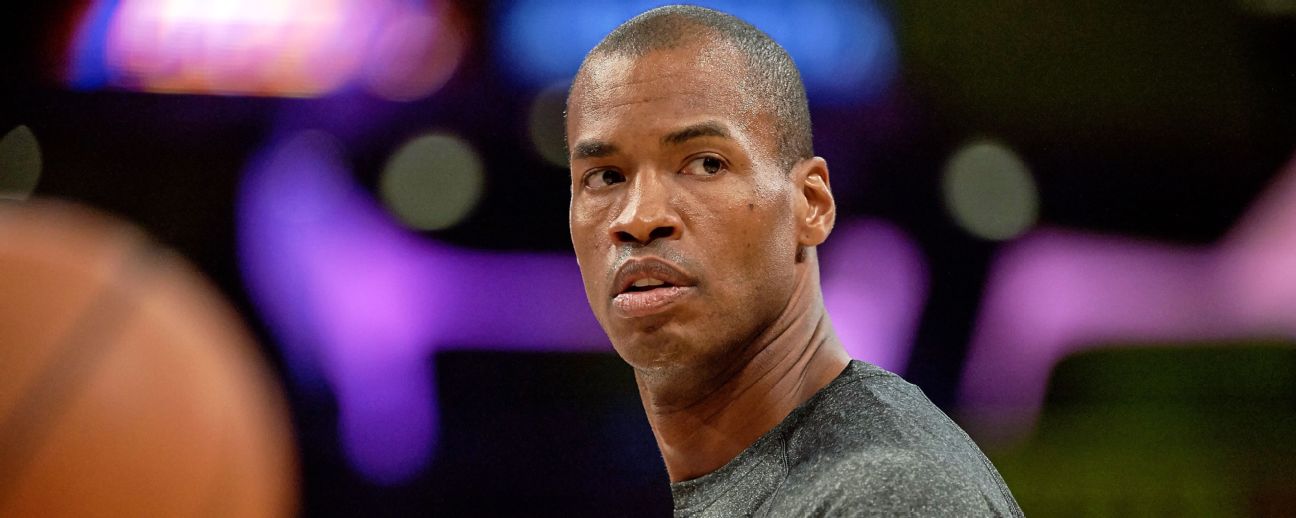
Jason Collins is widely regarded as one of the most culturally significant figures in modern sports history. While he was not a statistical superstar, his role as a dependable NBA center and elite defensive player earned him respect across the league.
His historic decision in 2013 to publicly come out as gay while still an active free agent made him the first openly gay athlete to play in any of the four major North American professional sports leagues (NBA, NFL, MLB, NHL).
That moment transformed him from a respected role player into a global symbol of inclusion, courage, and progress in sports.
Early Life and Background
Jason Collins was born in Northridge, California, alongside his identical twin brother, Jarron Collins. The two grew up in a disciplined, athletic household that strongly encouraged education and sports.
At Harvard-Westlake School in Los Angeles, the Collins twins became one of the most dominant high school frontcourt duos in California basketball history.
Early Strengths
- Strong defensive instincts
- Rebounding ability
- Physical presence in the paint
- High basketball IQ
College Career at Stanford University
Collins played college basketball at Stanford University, where he developed into a reliable and intelligent defensive center.
College Highlights
- First-team All-Pac-10 selection
- Key defensive anchor for Stanford
- High field-goal efficiency around the rim
- Leadership role in senior season
He graduated with a degree in communications while balancing athletics and academics.

NBA Career Overview
Jason Collins was selected 18th overall in the 2001 NBA Draft by the New Jersey Nets. His role was centered on defense, screens, and team structure rather than scoring.
Early Career (2001–2008: New Jersey Nets Era)
Collins became an important rotation player for a Nets team that reached back-to-back NBA Finals.
Key Contributions
- Interior defense against elite centers
- Rim protection
- Physical screen setting
- Defensive communication
He played alongside stars like Jason Kidd and helped the Nets reach the 2002 and 2003 NBA Finals.
Journeyman Years (2008–2013)
Later in his career, Collins played for multiple NBA teams, including:
- Memphis Grizzlies
- Minnesota Timberwolves
- Atlanta Hawks
- Boston Celtics
- Washington Wizards
During this phase, he was valued as:
- A veteran locker-room presence
- A defensive specialist
- A reliable role player
Career Statistics
| Statistic | Career Average |
|---|---|
| Points Per Game | 3.6 |
| Rebounds Per Game | 3.7 |
| Games Played | 700+ |
| Role | Defensive center / role player |
Historic 2013–2014 Season
In April 2013, Jason Collins publicly came out as gay in a Sports Illustrated article, becoming a historic figure in global sports culture.
Why It Was Historic
- First openly gay active player in major American team sports
- Received widespread support from NBA and fans
- Wore jersey number 98 in honor of Matthew Shepard
- Signed by the Brooklyn Nets in 2014
He officially retired later that year after completing a 13-year NBA career.
Coming Out Story and Cultural Impact
Collins’ coming out marked a turning point in sports history.
Impact on Sports
- Increased LGBTQ+ visibility in athletics
- Encouraged inclusive policies across leagues
- Inspired future athletes to come out publicly
- Shifted cultural conversations about identity in sports
He later served as an NBA ambassador focused on inclusion and equality.
Personal Life
Jason Collins has maintained a relatively private personal life outside of his advocacy work.
While he has been publicly open about his identity, he has not consistently confirmed detailed public information regarding long-term relationships or marriage in verified mainstream sources.
Net Worth and Financial Overview
Jason Collins earned most of his wealth through his NBA career and post-retirement roles.
Income Sources
| Source | Contribution |
|---|---|
| NBA Salaries | Primary earnings |
| Endorsements | Limited |
| Public Speaking | Post-retirement income |
| NBA Ambassador Role | Ongoing influence work |
Estimated Net Worth
$8 million – $14 million
Playing Style and Strengths
Collins was not a high-scoring center but excelled in defensive fundamentals.
Strengths
- Interior defense
- Screen setting
- Physical toughness
- Team defensive coordination
Limitations
- Low offensive production
- Limited scoring range
Despite these, he remained valuable due to discipline and consistency.
Awards and Achievements
- 2× NBA Finals appearance (2002, 2003)
- First-team All-Pac-10 (Stanford)
- NBA Cares community involvement recognition
- Recognized as a pioneer for LGBTQ+ inclusion in sports
- Jersey number 98 widely honored symbolically
Legacy and Impact
Jason Collins’ legacy goes beyond basketball statistics.
Long-Term Impact
- Transformed LGBTQ+ representation in professional sports
- Encouraged athlete authenticity and openness
- Became a symbol of courage in global sports culture
- Influenced league diversity and inclusion policies
He is frequently cited in discussions about:
- Equality in sports
- Athlete identity
- Social progress in professional athletics
Conclusion
Jason Collins’ story is one of resilience, professionalism, and cultural transformation. From Stanford standout to NBA veteran and global advocate, his journey reshaped how sports organizations and fans view identity and inclusion.