
David Allan Coe Biography: The Outlaw Country Legend, Death, Legacy, Net Worth, Songs, Wife and Full Life Story
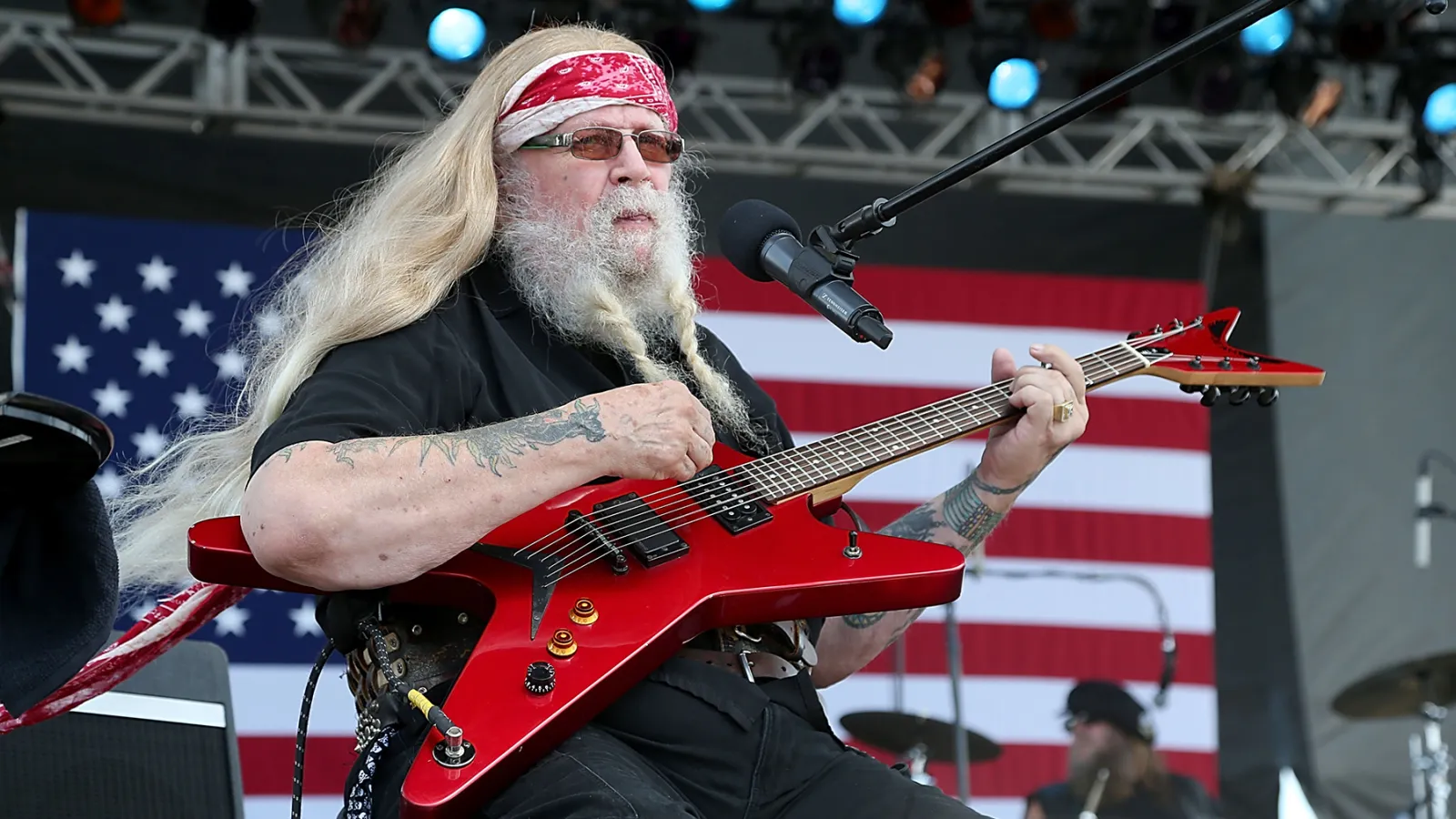
David Allan Coe was never the type of artist you could easily define. His life carried the kind of raw energy that didn’t fit into clean labels or polished industry storytelling. From the beginning, his journey felt like something written on the edge of chaos, where music, rebellion, and personal struggles all collided into one long, unforgettable story.
Even after his death on April 29, 2026, at the age of 86, his name continues to spark conversations across country music spaces. Fans still revisit his songs, streaming platforms still record rising numbers, and debates around his legacy have not slowed down. Some remember him as one of the purest voices of outlaw country, while others focus on the controversies that followed him for decades. Either way, his influence remains impossible to ignore.
What made Coe stand out was not just his music, but the way he lived it. He came from hardship, passed through correctional systems, survived industry rejection, and still managed to build a career that shaped the outlaw country movement. His songs carried honesty, attitude, and a storytelling style that reflected real-life scars. Even today, his work continues to sit between admiration and debate, which is exactly what makes his legacy so enduring.
Early Life and Background
David Allan Coe was born on September 6, 1939, in Akron, Ohio. His early life was far from stable. His family situation changed frequently, and he spent much of his childhood moving between homes and institutions. At a very young age, he was placed in reform school, which marked the beginning of a long period of struggle with authority and survival outside traditional systems.
As he grew older, his life continued to move through correctional facilities. These experiences shaped both his personality and his artistic direction. Instead of breaking him completely, they influenced the storytelling style he later became known for. He developed an early connection to blues, rhythm-driven storytelling, and emotionally raw expression.
After his release into adulthood, he moved toward music, eventually heading to Nashville. His early days in the city were difficult. He lived with limited resources and spent time performing wherever he could. This period helped him develop the foundation of what would later become his outlaw identity, blending lived experience with musical expression.
Career Journey and Breakthrough
His professional music journey officially began in the early 1970s when he released his debut album Penitentiary Blues. The project carried a strong blues influence and reflected his past experiences. It did not immediately make him a mainstream star, but it established his voice in the industry.
His breakthrough came when he signed with Columbia Records. During this period, he released albums that started gaining attention, especially Once Upon a Rhyme and The Mysterious Rhinestone Cowboy. These projects introduced him to a wider audience and helped define his outlaw country identity.
One of his biggest early successes was “You Never Even Called Me by My Name,” a track that became iconic for its humor, storytelling, and unconventional structure. It helped cement his place in country music history.
Beyond his own recordings, Coe became a respected songwriter. One of his most successful compositions was “Take This Job and Shove It,” made famous by Johnny Paycheck. The song became a cultural anthem and expanded his influence far beyond his personal catalog.
Throughout the 1980s and beyond, he continued releasing music, touring, and collaborating with artists across genres. Songs like “The Ride” and “Mona Lisa Lost Her Smile” kept his name relevant, while his later work showed his willingness to experiment and push boundaries.
Songs, Albums, and Musical Influence
David Allan Coe built a catalog that stretched across decades, blending outlaw country, blues, and storytelling-driven songwriting.
Some of his most recognized songs include:
- You Never Even Called Me by My Name
- The Ride
- Longhaired Redneck
- Mona Lisa Lost Her Smile
- If That Ain’t Country
His songwriting contributions also played a huge role in his reputation. Tracks written for other artists became bigger commercial successes than some of his own releases, showing the depth of his talent behind the scenes.
Albums like Once Upon a Rhyme, Human Emotions, and Longhaired Redneck are often discussed as key parts of his legacy. While some of his underground releases sparked controversy, they also added to his reputation as an unfiltered and unpredictable artist.
Net Worth and Financial Life
At the time of his passing in 2026, his net worth was estimated between $500,000 and $1.5 million. His income came from multiple sources including music royalties, songwriting credits, live performances, and catalog streaming.
Like many long-career musicians, his financial journey was not always stable. There were periods of strong income from touring and royalties, as well as challenges linked to legal and personal responsibilities. In later years, streaming platforms provided a more consistent source of revenue as his music reached new audiences.
Personal Life, Wife, and Family
David Allan Coe was married multiple times throughout his life. His final marriage was to Kimberly Hastings Coe, who remained with him until his death. His personal relationships were often discussed in public due to his long career and controversial lifestyle.
He also had several children, including Tyler Mahan Coe, who became known for his work in country music storytelling and podcasting. His family life was often described as complex, with periods of distance and reconciliation.
Despite the challenges, his family remained a part of his legacy and continued to be connected to his musical history.
Controversies and Public Image
Throughout his career, Coe was surrounded by controversy. Some of his underground work contained explicit and offensive content that drew criticism from audiences and media outlets. These elements created long-standing debates about his place in country music history.
He was also associated with a rebellious lifestyle, motorcycle culture, and a strong anti-establishment identity. While this helped define his outlaw image, it also led to divisions in how people viewed his work.
Even with these controversies, his influence in shaping outlaw country remains widely recognized.
Legacy and Final Years
In his later years, Coe continued performing and maintaining a loyal fan base. Health challenges eventually reduced his public appearances, but his music continued to circulate widely online.
After his death in April 2026, tributes came from fans and artists who acknowledged his role in shaping a raw and honest style of country music. Streaming numbers for his most popular songs increased significantly, showing renewed interest in his catalog.
His legacy remains layered. To some, he represents freedom in music expression. To others, he is a reminder of the complexity that comes with unfiltered artistic identity. Either way, his impact on outlaw country is permanent.
Conclusion
David Allan Coe lived a life that cannot be simplified into a single definition. His story moved through hardship, rebellion, success, and controversy, all tied together through music that reflected his personal reality. Even after his passing, his influence continues to echo through country music culture, proving that true outlaw storytelling never fully fades away.