Adrian “Odie” Smith Biography: From Kentucky Farm Roots to NBA All-Star MVP and Olympic Gold Legacy
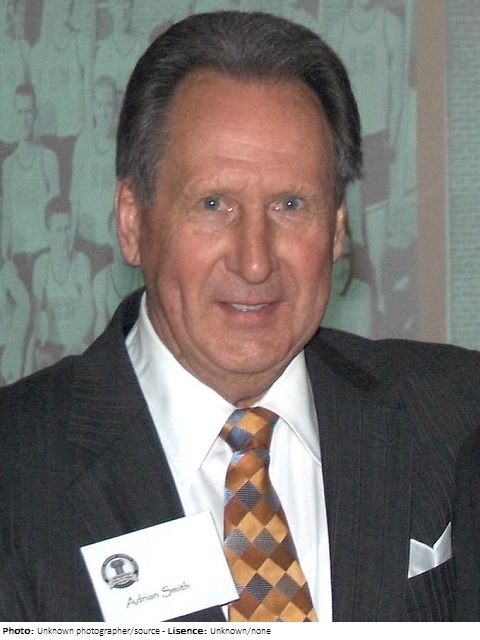
Adrian Howard Smith had one of those basketball journeys that feels almost unreal when traced from start to finish. Born into deep rural hardship in Kentucky, he rose from a sock-and-peach-basket childhood setup to becoming an Olympic gold medalist, NBA All-Star MVP, and later a respected businessman after retirement.
When news of his passing in April 2026 at age 89 spread, it renewed attention on a career that was never built on loud superstardom, but on consistency, discipline, and quiet excellence across every level of basketball.
Quick Biography Overview
| Category | Details |
|---|---|
| Full Name | Adrian Howard Smith |
| Nickname | “Odie” |
| Birth Date | October 5, 1936 |
| Birth Place | Golo/Farmington, Kentucky, USA |
| Nationality | American |
| Position | Guard |
| NBA Teams | Cincinnati Royals, San Francisco Warriors, Virginia Squires |
| College | University of Kentucky |
| Olympic Achievement | 1960 Rome Olympic Gold Medal |
| NBA Highlight | 1966 NBA All-Star Game MVP |
| Death | April 2026 (Age 89) |
Early Life and Humble Beginning in Kentucky
Adrian Howard Smith was born into a large farming family in rural Kentucky, where life was shaped by hardship and physical labor. There was no electricity, no indoor plumbing, and survival depended heavily on farm work.
Basketball was not structured or organized in his early environment. Like many rural kids of that era, he improvised. A sock rolled into a ball and a bottomless peach basket nailed to a tree became his first training ground. That simple setup unknowingly built the foundation for his shooting touch and coordination.
A turning point came when a school coach noticed his potential and helped him gain access to organized basketball. Without that intervention, his path could have remained purely rural farm life.
College Career at Kentucky and the “Fiddlin’ Five” Era
At the University of Kentucky, Smith joined the famous “Fiddlin’ Five” team, a group that was not always dominant on paper but became legendary through teamwork and discipline.
He was not always the primary scorer, but he became one of the most reliable guards on the roster. His defensive discipline, composure, and decision-making made him a key contributor during critical moments.
Major College Achievement
| Year | Achievement |
|---|---|
| 1958 | NCAA Championship Winner (Kentucky vs Seattle) |
The 1958 NCAA title remains the defining college highlight of his career and marked his transformation from unknown rural athlete to national-level competitor.
Olympic Glory: 1960 Rome Games
After college, Smith’s career continued through military service and elite-level competition, eventually leading him to the 1960 U.S. Olympic basketball team.
The team dominated the tournament and won gold in Rome, going undefeated. He played alongside legendary figures such as Oscar Robertson, contributing as a steady and dependable backcourt presence.

Olympic Summary
| Category | Details |
|---|---|
| Event | 1960 Summer Olympics (Rome) |
| Result | Gold Medal (U.S. Team) |
| Team Style | Undefeated dominance |
| Role | Defensive stability, rotation guard |
This gold medal cemented his place in basketball history as part of one of the greatest amateur-era teams ever assembled.
NBA Career and the 1966 All-Star MVP Shock
Smith’s professional journey began with the Cincinnati Royals, where he developed into a dependable backcourt partner alongside Oscar Robertson.
He was not initially viewed as a superstar scorer, but his efficiency and composure made him valuable in high-pressure situations.
1966 NBA All-Star Game Breakout
The defining moment of his NBA career came in the 1966 All-Star Game, where he scored 24 points off the bench and completely changed the flow of the match. That performance earned him the All-Star MVP award in his only All-Star appearance.
NBA Career Summary
| Category | Details |
|---|---|
| NBA Debut | Early 1960s |
| Teams | Cincinnati Royals, San Francisco Warriors, Virginia Squires |
| Playing Style | Efficient guard, strong free throws, clutch scoring |
| Career Points | 8,000+ |
| Signature Moment | 1966 All-Star MVP |
He later played for the San Francisco Warriors and the Virginia Squires, where he even shared the court with a young Julius Erving during the ABA era.
Life After Basketball
After retiring, Smith transitioned into the business world in Cincinnati, building a stable second career in banking and administration. Unlike many former athletes, he avoided financial instability and public controversy.
He also stayed loosely connected to basketball through mentorship and community involvement, though he largely preferred a private life.
Legacy and Honors
Smith’s legacy grew stronger with time rather than fading after retirement. His story became a symbol of:
- Rural hardship to elite success
- Team-first basketball mentality
- Olympic and NBA dual achievement
- Long-term professional stability
Later Recognition
| Type | Recognition |
|---|---|
| State Honors | Kentucky basketball tributes |
| Public Recognition | Highway naming and ceremonies |
| Historical Status | Olympic + NBA dual champion legacy |
Final Reflection
Adrian Howard Smith represents a rare type of basketball legacy, one built without constant spotlight, but with consistent value at every level he played.
From a sock-ball in rural Kentucky to Olympic gold and NBA All-Star MVP, his life remains one of the clearest examples of quiet greatness in basketball history.