
House of Representatives Seeks Stronger Food Safety Laws as Lassa Fever Cases Rise
Food safety and public health remain important concerns in Nigeria as the country continues to respond to infectious diseases and other health risks. Calls for stronger food safety regulations have drawn attention to the need for effective monitoring, safe food handling and better enforcement of existing standards.
Nigeria’s food safety system involves several institutions, including the National Agency for Food and Drug Administration and Control (NAFDAC), which regulates food, medicines and other products within its mandate. Public health agencies also monitor infectious diseases and issue guidance to reduce preventable illness.
The debate over stronger regulation comes as official figures show a serious Lassa fever burden in the country.
Nigeria Records 1,115 Confirmed Lassa Fever Cases
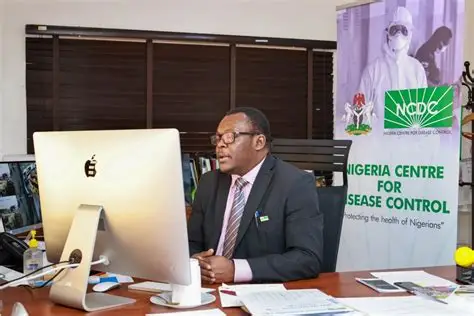
Nigeria recorded 1,115 confirmed Lassa fever cases and 263 deaths between January and September 20, 2026, according to figures reported from the Nigeria Centre for Disease Control and Prevention (NCDC).
The figures covered 24 states and 119 local government areas. The reported case fatality rate stood at 23.6%, higher than the 18.5% recorded during the corresponding period in 2025.
The NCDC identified late presentation for medical care, the cost of treatment, poor environmental sanitation and low awareness in affected communities among the challenges facing the response.
Lassa fever is a viral disease primarily transmitted to humans through contact with food or household items contaminated by infected rodents’ urine or faeces. Person-to-person transmission can also occur, particularly in healthcare settings without appropriate infection prevention measures.
Although food safety and sanitation are connected, not every food safety problem causes Lassa fever. Preventing the disease requires rodent control, safe food storage, clean surroundings and timely medical attention.
Why Stronger Food Safety Enforcement Matters
Effective food safety regulation can help protect consumers against contaminated products, unsafe imports, poor storage conditions and misleading product claims.
NAFDAC plays an important role in regulating food and medicines, while other relevant agencies and state authorities have responsibilities in areas such as public health, inspection and environmental sanitation.
Stronger enforcement can also help consumers identify approved products and report suspected violations. Cold-chain standards are particularly important for foods that require controlled temperatures during storage and transportation.
What Nigerians Can Do to Reduce Food-Related Health Risks
Consumers can reduce some avoidable risks by washing their hands before preparing food, keeping cooking areas clean, storing food in covered containers and avoiding food exposed to rodents or other sources of contamination.
People should also follow official health guidance during disease outbreaks and seek medical attention promptly when they develop concerning symptoms.
Food vendors, manufacturers, transport operators and market authorities all have roles to play in maintaining safe conditions throughout the food supply chain.
Food Safety and Public Health in Nigeria: Key Details
| Topic | Details |
|---|---|
| Main issue | Food safety regulation and enforcement |
| Relevant agency | NAFDAC |
| Public health agency | Nigeria Centre for Disease Control and Prevention |
| Confirmed Lassa fever cases | 1,115 |
| Reported Lassa fever deaths | 263 |
| States affected | 24 |
| Reporting period | January to September 20, 2026 |
| Key prevention measures | Safe food storage, sanitation and rodent control |
Stronger food safety oversight can help protect consumers, but lasting progress also depends on public awareness, effective enforcement and cooperation among government agencies, food businesses and communities.