Bobby Cox Biography: The Legendary Atlanta Braves Manager’s Life, Career, Wins Record, Family, Net Worth & Legacy
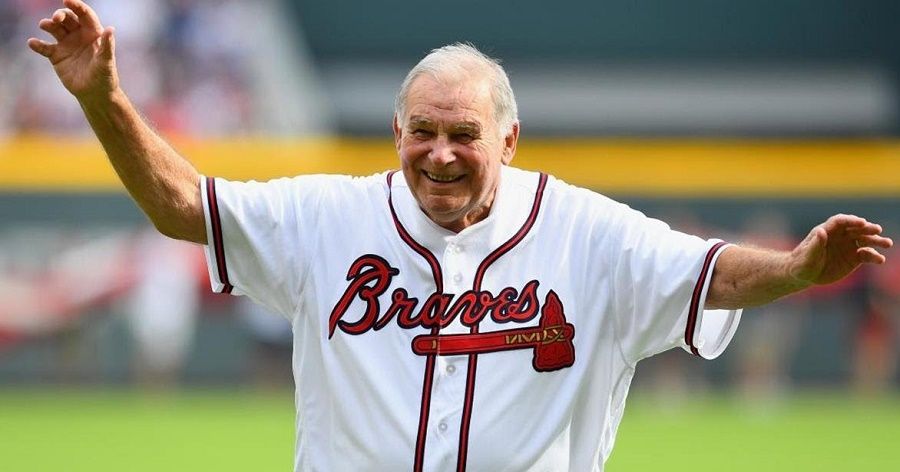
Bobby Cox wasn’t just a name in baseball history, he represented an entire era of discipline, consistency, and winning culture. From the dugout of the Atlanta Braves to the wider Major League Baseball stage, his influence shaped how modern teams think about leadership and long-term success.
He passed away on May 9, 2026, at the age of 84 in Marietta, Georgia, leaving behind a legacy that still feels active in today’s game. Cox built one of the most dominant baseball dynasties ever seen, guiding the Braves to 14 straight division titles and a long run of playoff appearances that defined the 1990s and early 2000s.
What made him stand out was not just the wins, but the way he carried himself. Calm when it mattered, intense when it counted, and always protective of his players. His career is a mix of quiet leadership and loud baseball moments that fans still replay today.
Quick Facts
| Attribute | Details |
|---|---|
| Full Name | Robert Joe Cox |
| Known As | Bobby Cox |
| Born | May 21, 1941 |
| Died | May 9, 2026 |
| Age | 84 |
| Nationality | American |
| Role | MLB Player, Manager, Executive |
| Career Wins | 2,504 |
| Major Team | Atlanta Braves |
| World Series | 1995 Champion |
| Hall of Fame | Inducted 2014 |
Early Life and Background
Cox was born in Tulsa, Oklahoma, but grew up in Selma, California. His childhood was shaped by hard work, modest living, and a strong sense of discipline. Like many kids in California’s farming regions, he experienced early responsibility, which later influenced his leadership style in baseball.
He attended Selma High School and later Reedley Junior College, where his baseball talent began to stand out. By the late 1950s, he had already caught the attention of professional scouts and signed his first professional contract as a young athlete with strong potential.
From the beginning, Cox was not the flashy type. He was steady, focused, and understood the game in a deeper way than most players his age.
Playing Career
Cox’s playing career in Major League Baseball was short but important for his development. He played as a third baseman and made his MLB debut with the New York Yankees in 1968.
His numbers were modest, with a batting average around .225 across his career. Injuries, especially to his knees, limited his playing time and eventually ended his playing days by 1969.
Even though his time as a player was brief, it became the foundation for what came next. He quickly transitioned into coaching and managing, where his true impact on baseball would begin.
Coaching and Managerial Career
Cox began coaching in the early 1970s and moved through the Yankees system, where he built his reputation as a strong leader. By 1977, he had already been part of a World Series-winning coaching staff.
His first major managerial opportunity came with the Atlanta Braves in 1978. The team was struggling at the time, but Cox started building structure and discipline within the squad. Although he was later fired in 1981, his work laid early groundwork for future success.
He later took over the Toronto Blue Jays and transformed them into a competitive team, even winning a division title in 1985. That success earned him recognition as one of the most effective managers in baseball.
In 1990, Cox returned to the Braves in a stronger role and this time, everything changed. He helped build one of the greatest dynasties in baseball history. The team went on to win 14 consecutive division titles from 1991 to 2005, a record that still stands today.
During this era, he managed legendary players like Greg Maddux, Tom Glavine, John Smoltz, and Chipper Jones. Under his leadership, the Braves won the 1995 World Series, cementing his legacy.
Managerial Style and Impact
Cox was known for his calm presence in the dugout but fierce passion when defending his team. He holds one of the highest numbers of ejections in MLB history, which shows how protective he was of his players.
His leadership style focused on trust, consistency, and giving players freedom to perform. Instead of over-controlling, he created an environment where talent could grow naturally.
This approach is one of the reasons the Braves stayed dominant for over a decade.
Net Worth and Lifestyle
At the time of his passing, his estimated net worth ranged between $15 million and $45 million. His earnings came mainly from decades in MLB as a player, coach, manager, and later executive roles.
Cox was not known for luxury spending. He lived a relatively quiet lifestyle, focusing more on family, baseball, and golf rather than public displays of wealth. He owned properties in Georgia, including long-term residences near Atlanta.
Family and Personal Life
Cox was married to Pamela Boswell Cox after his first marriage ended. He had a total of eight children from both marriages.
Family was a central part of his life, and even during his busiest managerial years, he remained close to his children and wife. Those who knew him often described him as loyal, private, and deeply family-oriented outside baseball.
Achievements and Legacy
His career achievements remain some of the most impressive in MLB history:
- 2,504 managerial wins
- 14 consecutive division titles
- 1995 World Series championship
- Hall of Fame induction in 2014
- Multiple Manager of the Year awards
Beyond numbers, his real legacy is the culture he built in Atlanta. The Braves of the 1990s are still considered one of the greatest teams ever assembled.
Death and Tributes (2026)
Cox passed away on May 9, 2026, after health complications following earlier medical issues in retirement. His death triggered tributes from across Major League Baseball.
Former players, fans, and organizations praised his leadership, mentorship, and long-term influence on the game. For many, he was not just a manager, but a baseball father figure who shaped careers and defined an era.
Conclusion
Bobby Cox’s story is not just about wins and trophies. It is about building something that lasts beyond a single season. His impact on the Atlanta Braves and Major League Baseball remains permanent.
He leaves behind a blueprint for leadership in sports, one built on trust, patience, and consistency. His legacy continues every time a young manager steps into a dugout and tries to build a winning team the right way.