
People Are Using AI Agents to Strip Ads and Tracking From Smart TVs: What Works and What Can Go Wrong
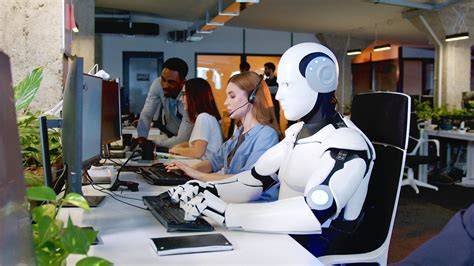
Smart TVs are designed to make streaming convenient, but sponsored content, tracking features and slow menus can make the experience frustrating. In response, some developers are using AI coding agents to customise their televisions, remove unwanted software and build cleaner home screens.
Two projects attracting attention are dumbtv, developed by Muzzammil Yasin Sabuwala, and cleanyourtv, created by Gathin T. Both focus on simplifying the smart TV experience, although their approaches differ.
How Dumbtv and Cleanyourtv Work
The dumbtv project aims to reduce a television’s interface to essential functions, such as launching installed applications and switching HDMI inputs, without TV-originated advertising or unnecessary tracking.
The project has been tested on Fire TV Edition and Android TV and Google TV devices from brands including Sony, TCL, Philips, Hisense and Xiaomi, as well as Nvidia Shield devices.
Cleanyourtv focuses on removing unwanted software from Android TV and Google TV devices over Wi-Fi and replacing the original home screen with a launcher styled after Apple TV.
Gathin T. said the idea came after he saw a sponsored advertisement appear before his parents could reach Netflix. He described using an AI agent to identify the television, remove 25 Xiaomi software packages and create a replacement launcher.
These projects demonstrate how AI coding agents can help people automate technical tasks that previously required more specialised knowledge. However, they are still works in progress, and compatibility can vary by device.
Why Smart TV Owners Want More Privacy
Many smart TVs include automatic content recognition, commonly called ACR. Depending on the device and its configuration, this technology can identify viewed content using signals such as screenshots, audio or other content fingerprints.
Viewing information may be used for audience measurement, recommendations or targeted advertising. Privacy-conscious owners may therefore want to limit the information their televisions collect and share.
One reported user experience involved replacing a 192 MB stock launcher with an 83 MB custom launcher. Other users reported that their interfaces felt faster after removing unnecessary software.
However, these results are individual experiences rather than guarantees that every television will perform better.
The Risks of Using AI to Modify a Smart TV
AI agents can misunderstand a device’s software structure or disable packages required for normal operation. Users have reported problems including televisions becoming unusable and modification processes stopping before completion.
Even when a project claims not to require root access, removing system applications can cause problems if the wrong components are selected. A factory reset may not always reverse every modification, depending on what has changed.
Before experimenting, identify the exact TV model, back up important settings where possible and learn the manufacturer’s recovery procedure. Never run commands you do not understand on a device you cannot afford to lose access to.
Safer Alternatives to Removing Smart TV Bloatware
Owners of Android-based televisions can investigate established launcher replacements such as ATV Launcher, Projectivy Launcher and FLauncher.
It may also be possible to disable advertising personalisation or viewing-data collection through the television’s privacy settings. The available options depend on the manufacturer and model.
AI-assisted TV customisation offers an interesting example of DIY computer education, but convenience should not come at the cost of device security. Start with reversible settings changes before attempting deeper modifications.