Yemi Alade Explains Why She Rejected Stage Names and Chose to Keep Her Birth Name
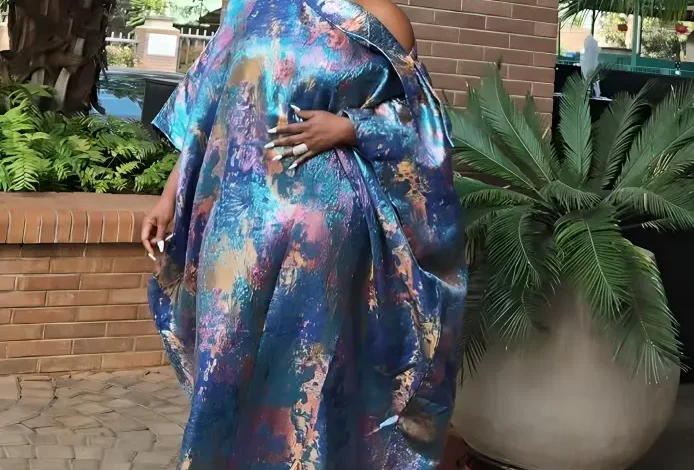
Popular Nigerian singer Yemi Alade has opened up about why she decided against using a stage name, revealing that she nearly adopted names like “Electra” and “Ginger” before ultimately embracing her birth name.
The award-winning Afropop star shared that while many musicians choose stage names to create a unique identity, she felt her real name carried a deeper purpose and meaning that perfectly reflected who she is.
Why Yemi Alade Turned Down the Names “Electra” and “Ginger”
Speaking during an interview, Yemi Alade explained that she experimented with several stage names at the beginning of her music career but eventually abandoned the idea.
One of the names she seriously considered was Electra, but she quickly realized it would create unrealistic expectations before people even listened to her music.
According to her, anyone hearing the name would immediately expect an energetic or electrifying performer, something she wasn’t comfortable with because she preferred listeners to discover her personality naturally.
She also revealed that she later thought about using the name Ginger, but another challenge emerged.
In Nigeria, the word “ginger” is widely associated with energy, motivation, and excitement. Alade said adopting that name would already tell people exactly what to expect before they met her or heard her songs.
Rather than giving away her identity through a stage name, she wanted audiences to remain curious until they experienced her music.
The Meaning Behind Her Birth Name
After struggling to settle on a suitable stage name, the singer said she sought divine guidance before making her final decision.
She explained that after praying about it, she became convinced that keeping her birth name was the right choice because of its powerful meaning.
According to Alade:
- Opeyemi means “Thanks be to God.”
- Alade means “The one who holds the crown.”
She said the meaning of both names perfectly represents her life, purpose, and personal journey, making it impossible to replace them with a stage identity.
The singer added that her birth name has become an important part of her brand and the person she has grown into over the years.
Why Yemi Alade Started Singing in French, Swahili and Portuguese
Beyond discussing her name, Yemi Alade also revealed what inspired her to begin translating her songs into multiple African languages.
She explained that the decision came after noticing the incredible support she received from fans in French-speaking African countries.
During concerts, she was amazed to see thousands of fans singing along to her songs despite not understanding English or any of Nigeria’s indigenous languages.
Wanting to appreciate their loyalty, she decided to record music in French as a way of connecting with them on a deeper level.
That decision eventually expanded beyond French, with the singer later translating some of her songs into Swahili and Portuguese, allowing her music to reach even more listeners across Africa.
According to Alade, it was her way of showing gratitude to fans who embraced her music regardless of language barriers.
Yemi Alade Says Female Artists Still Need More Representation
The singer also reflected on the evolving role of women in the music industry.
While she acknowledged that today’s entertainment industry has become more welcoming to female artists than it was years ago, she believes there is still significant progress to be made.
Alade said success has become more attainable for women, but true equality will only come when more female artists continue entering the industry and occupying spaces that have traditionally been dominated by men.
She encouraged women to keep pushing forward and striving for greater representation, noting that lasting change will require more voices, more talent, and stronger female participation across the music industry.
Yemi Alade Continues to Build a Global African Brand
Yemi Alade’s decision to keep her birth name has become one of the defining aspects of her career, reflecting both her personal values and cultural identity.
Combined with her efforts to record music in multiple African languages and her commitment to promoting female representation in entertainment, the singer continues to strengthen her position as one of Africa’s most recognizable music stars while connecting with audiences far beyond Nigeria.